
Versatile Intelligent Service Robot: Reshaping the Future of Hospitality and Retail
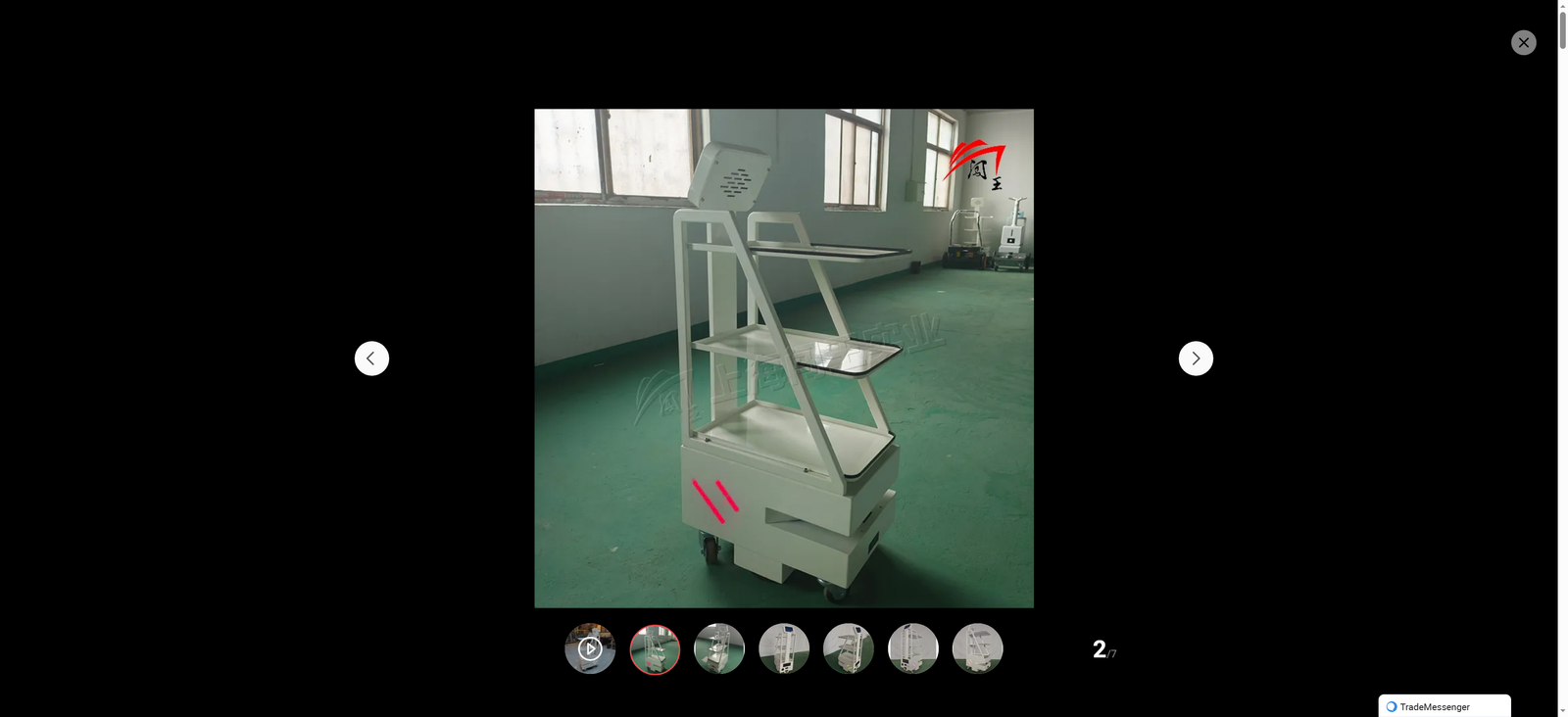
In the era of digital transformation, versatile intelligent service robots have evolved from novelty tech gadgets to indispensable operational backbones in the hospitality and retail sectors. Blending advanced AI algorithms, autonomous navigation technology, and human-centric design, these robots are breaking through the limitations of traditional services, redefining efficiency standards, and creating personalized experiences for customers. From hotel lobbies to retail storefronts, their versatile capabilities are driving a profound shift in how industries interact with consumers and optimize operations.
Transforming Hospitality: From Functional Tools to Intelligent Partners
The hospitality industry, which thrives on balancing service quality and operational efficiency, has become a key battlefield for intelligent service robots. Gone are the days when robots were merely used for gimmicky deliveries; today’s solutions integrate seamlessly into hotel operations, acting as 24/7 digital employees that alleviate labor pressures while enhancing guest experiences.
In guest services, robots excel at handling repetitive and time-consuming tasks with precision. They take charge of the "last 100 meters" of deliveries, transporting room amenities, food, and packages to guests’ doors efficiently. Equipped with semantic SLAM technology and multi-sensor fusion navigation, these robots can adeptly navigate complex hotel environments—from crowded lobbies and narrow corridors to elevators—avoiding dynamic obstacles like cleaning carts and pedestrians with human-like judgment . For multi-floor hotels, advanced models achieve seamless cross-floor mobility through non-intrusive elevator protocol integration, maintaining a delivery success rate of over 99% even in weak Wi-Fi environments . This not only relieves the pressure of late-night staffing shortages but also provides contactless services that enhance guests’ sense of privacy and security.
Beyond basic logistics, modern hospitality robots are evolving into intelligent interaction hubs thanks to large language model (LLM) integration. Unlike early models that only executed explicit commands, today’s robots can understand vague requests and engage in multi-turn conversations. When a guest says "bring me some water," the robot automatically generates a delivery task by linking to inventory and room status systems . It supports seamless switching between dozens of languages, catering to international travelers, and can handle routine inquiries about Wi-Fi, check-out times, and local attractions—freeing up staff to focus on high-value, emotional services . Case studies validate this value: Shanghai Pudong Xinghewan Hotel reported that AI robots handled 77% of phone inquiries within 30 days, saving front desk staff 6.6 hours daily and boosting OTA ratings .
Leading brands are pushing the boundaries of versatility further. OrionStar’s Leopard Delivery Slim series, designed for old hotels with narrow corridors, operates smoothly in 55cm-wide spaces, while its Pro/Max versions handle large-volume deliveries for high-end resorts . Yunji Technology’s HDOS intelligent system unifies scheduling of delivery robots, cleaning robots, and AI voice assistants, forming a collaborative digital team that optimizes cost structures and service efficiency . These solutions prove that robots are no longer cost centers but profit engines, with data showing that every 1,000 tasks completed by robots increases hotel monthly revenue by 167,900 yuan .
Revolutionizing Retail: Bridging Efficiency Gaps and Enhancing Customer Engagement
In the retail sector, versatile intelligent service robots are addressing core pain points such as labor shortages, uneven customer service quality, and inefficient inventory management. By automating repetitive workflows and enabling data-driven interactions, they are creating a more seamless and personalized shopping journey.
In store operations, robots take on multiple roles to boost efficiency. Autonomous navigation robots act as mobile shopping guides, helping customers locate products, providing detailed descriptions, and even offering personalized recommendations based on purchase history. Equipped with interactive touch screens and voice recognition, they can answer FAQs about promotions, product specifications, and return policies—reducing the burden on sales staff and ensuring consistent service quality . For large retail spaces like supermarkets and department stores, inventory-checking robots equipped with visual sensors and RFID technology can scan shelves 24/7, automatically updating stock levels, identifying out-of-stock items, and even detecting mislabeled products. This cuts manual inventory time by 60% or more, minimizing human error and ensuring timely restocking.
The integration of retail and hospitality elements has opened new avenues for robot applications. Many hotels and shopping malls now deploy robots that combine concierge services with retail functions—delivering snacks and essentials from smart cabinets to hotel rooms or guiding mall visitors to stores and processing quick purchases . Bear Robotics’ Servi robot, with its adjustable payload capacity, seamlessly transitions between food delivery in hotel restaurants and product transportation in retail outlets, adapting to diverse operational needs . These cross-scenario solutions blur the lines between hospitality and retail, creating a unified service ecosystem.
Data-driven insights further amplify the value of retail robots. By collecting and analyzing customer interaction data—such as product inquiries, browsing paths, and purchase preferences—robots provide retailers with actionable insights to optimize merchandise layout and marketing strategies. For example, if a robot detects high demand for a specific product category, retailers can adjust shelf placement to increase visibility. In high-traffic periods, robots can be deployed to manage checkout queues, process mobile payments, and reduce waiting times—directly improving customer satisfaction and conversion rates.
The Road Ahead: Human-Robot Collaboration and Continuous Innovation
Despite the remarkable advancements, the true potential of versatile intelligent service robots lies in human-robot collaboration rather than replacement. In hospitality, robots handle standardized tasks like deliveries and inquiries, allowing staff to focus on emotional interactions—such as resolving complex guest complaints, curating personalized experiences for VIPs, and adding a human touch to services . In retail, robots automate logistics and routine customer service, enabling sales staff to engage in consultative selling and build long-term customer relationships. This synergy balances efficiency and warmth, creating sustainable competitive advantages for businesses.
The future of these robots will be shaped by ongoing technological innovation. Developments in embodied intelligence and multi-modal LLMs will enhance their reasoning capabilities—enabling robots to anticipate needs proactively. For instance, a hotel robot might deliver a thermometer and cooling patch when detecting a guest’s child has a fever, while a retail robot could recommend complementary products based on a customer’s real-time browsing behavior . Advancements in hardware design, such as more compact and flexible chassis, will further expand their applicability in narrow or complex spaces .
As the hospitality and retail sectors continue to prioritize efficiency, personalization, and cost optimization, versatile intelligent service robots will play an increasingly central role. They are not just transforming how services are delivered but redefining the relationship between businesses and customers. For forward-thinking enterprises, embracing these intelligent solutions is no longer an option but a necessity to thrive in the digital age—where adaptability and innovation are the keys to success.