
Contactless Remote Control Delivery Robot: Redefining Efficiency and Safety in Hotels and Hospitals
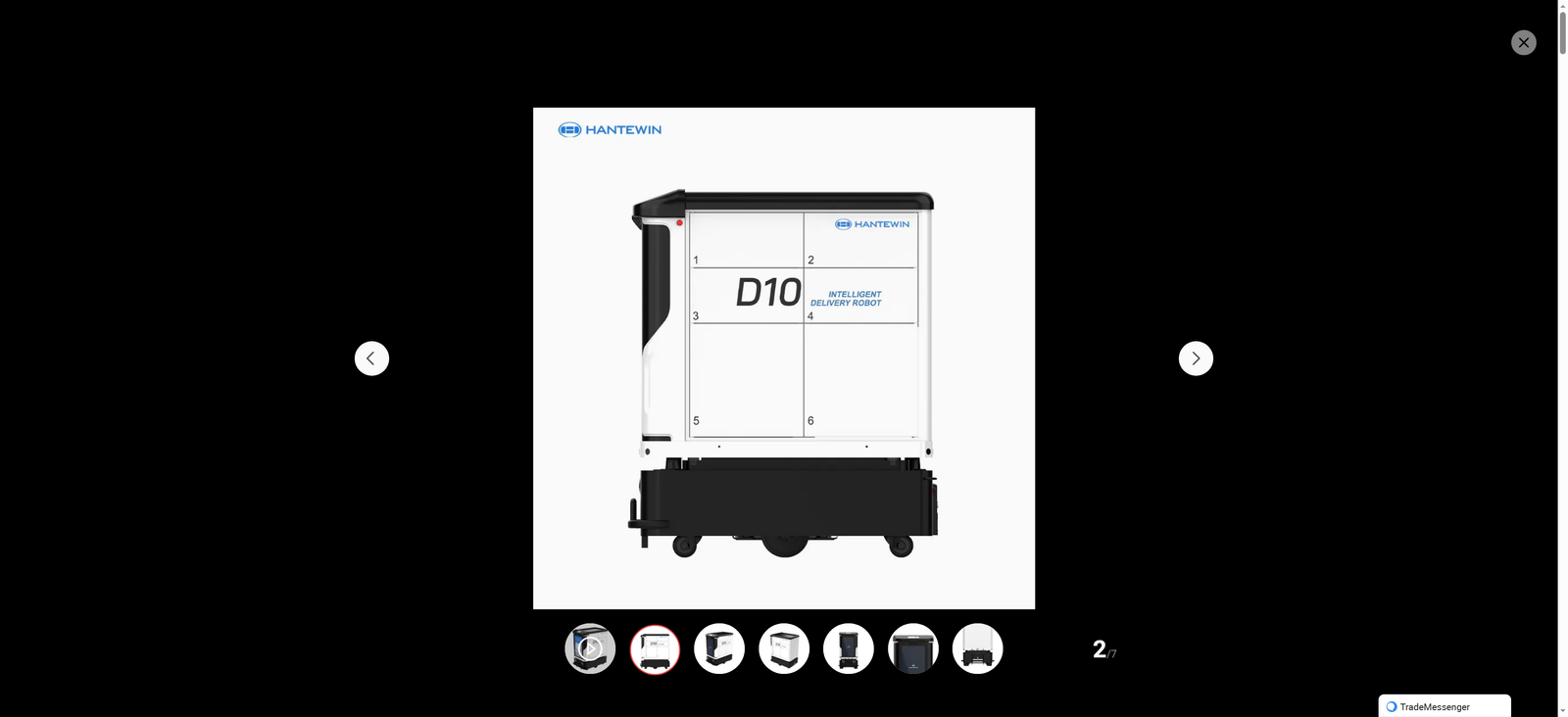
In the era of intelligent service, the demand for contactless, efficient, and customizable delivery solutions has surged across hospitality and healthcare sectors. The Contactless Remote Control Hotel Items Delivery Robot with Large Storage, a versatile service waiter robot tailored for both hotels and hospitals, emerges as a game-changer, seamlessly integrating cutting-edge technology to address industry pain points while elevating service quality. This innovative robot is not merely a tool for automation but a strategic asset that balances safety, efficiency, and personalized needs.
Core Features: Merging Versatility with Precision
At the heart of this delivery robot lies a suite of thoughtfully engineered features designed to adapt to the unique demands of hotels and hospitals. The large storage capacity stands out as a key advantage—equipped with multi-layer modular compartments, it can accommodate a wide range of items, from hotel amenities (towels, toiletries, meals) to hospital supplies (medicines, surgical instruments, test samples). Some models boast a total storage volume of up to 120L and a load-bearing capacity of 60Kg, with detachable and height-adjustable trays for flexible arrangement, ensuring safe transportation of both bulk items and delicate medical materials . The sealed inner cabin, rated IPX5 for water resistance, further enhances hygiene by protecting contents from liquid spills and contamination, a critical requirement for healthcare settings.
The contactless remote control capability redefines operational flexibility. Staff can manage the robot via a dedicated mobile app or smart watch, enabling remote scheduling, route adjustment, and task assignment without physical contact. This feature is complemented by advanced autonomous navigation technology—integrating multi-line 3D lidar, visual cameras, and GPS, the robot achieves centimeter-level positioning and millisecond-level obstacle avoidance, effortlessly navigating narrow hallways, elevators, and crowded areas . It can independently call elevators, open doors, and even respond to voice commands like "come here" with 360-degree sound source tracking, minimizing human intervention while ensuring smooth delivery .
Customization is another cornerstone of this robot’s design, allowing it to adapt to the diverse needs of hotels and hospitals. For hotels, it can be programmed with personalized voice prompts (e.g., greeting guests in multiple languages), branded exteriors, and delivery modes tailored to room service or luggage transport. In hospitals, it supports modular compartment customization for separating different types of medical supplies, integrates with hospital management systems (HIS, SPD) for real-time inventory tracking and traceability, and offers multi-level security verification (face recognition, fingerprint authentication) to prevent misdelivery of sensitive drugs . This adaptability makes it a one-stop solution for two distinct high-demand sectors.
Dual-Scene Application: Transforming Hotels and Hospitals
In the hospitality industry, the robot addresses labor shortages and post-pandemic safety demands. Hotels often grapple with inefficient room service due to staff fatigue or peak-hour bottlenecks, but this robot operates 24/7 with a battery life of 9-15 hours and automatic return-to-charge functionality, ensuring uninterrupted service . By handling repetitive delivery tasks—such as transporting meals, express packages, or extra linens—it frees up staff to focus on high-value personalized services, like guest check-in assistance or experience enhancement. The contactless delivery model also aligns with modern travelers’ expectations for hygiene, reducing cross-infection risks and boosting guest satisfaction . For boutique hotels or large resorts, the customizable appearance and interaction modes add a tech-savvy touch that differentiates the brand.
In hospitals, the robot plays a vital role in enhancing medical service efficiency and safety. Healthcare facilities require precise, timely delivery of medical supplies to critical areas like operating rooms and intensive care units, and the robot’s large storage and secure transport capabilities ensure that drugs, samples, and equipment reach their destinations intact. The contactless operation is particularly valuable in isolation wards or during disease outbreaks, as it minimizes human contact and reduces the risk of cross-infection . Additionally, the integration with digital management systems enables full-process traceability of medical supplies, helping hospitals comply with strict regulatory requirements and optimize inventory management. Multi-robot coordination further ensures smooth operations during peak hours, avoiding congestion and delays .
Market Value and Future Outlook
The global service robot market is projected to grow at a CAGR of 18.7% through 2030, with healthcare and hospitality emerging as the fastest-growing sectors . This delivery robot taps into this trend by addressing core industry needs: labor cost reduction, safety enhancement, and operational efficiency. For businesses, the return on investment is clear—hotels can cut labor costs by automating repetitive tasks, while hospitals reduce the risk of human error in supply delivery and improve workflow efficiency.
Looking ahead, technological advancements will further elevate the robot’s capabilities. The integration of AI and edge computing will enable it to learn user preferences and adapt routes dynamically, while the development of longer-lasting batteries and faster charging technology will extend its operational range. As smart cities and digital infrastructure expand, the robot will become an integral part of interconnected service ecosystems, collaborating with other intelligent devices to create seamless, end-to-end solutions .
In conclusion, the Contactless Remote Control Hotel Items Delivery Robot with Large Storage is more than a delivery tool—it is a catalyst for transformation in hotels and hospitals. By merging contactless safety, large-capacity convenience, and customizable flexibility, it meets the evolving demands of modern service industries while laying the groundwork for a more intelligent, efficient, and safe future. As businesses continue to prioritize innovation and user experience, this versatile robot is poised to become a staple in hospitality and healthcare settings worldwide.