
Self-Driving Serving Robots: Budget-Friendly Solutions for Restaurants and Retirement Homes
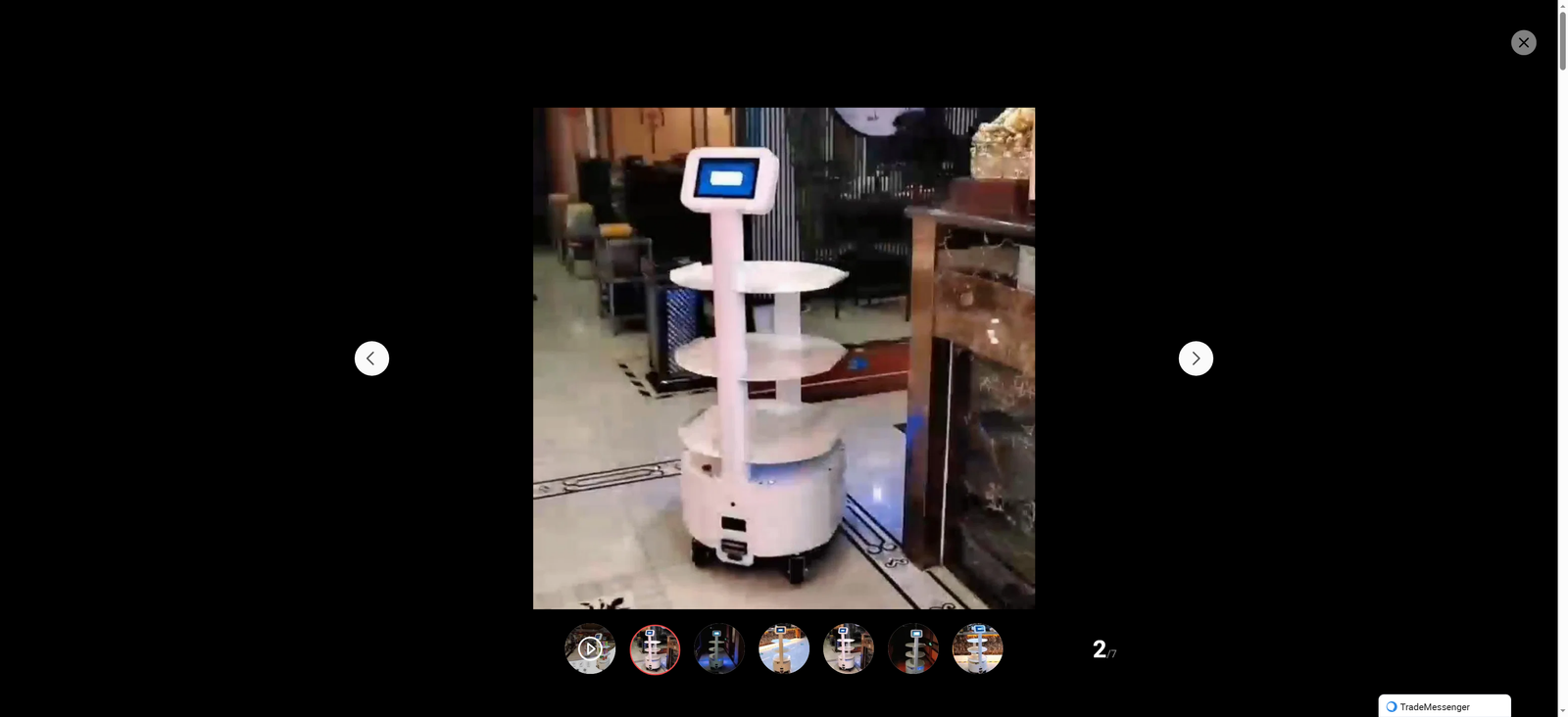
In the era of intelligent transformation, self-driving serving robots have emerged as game-changers in the service industry, especially for restaurants and retirement homes. These automated assistants not only address labor shortages and cost pressures but also enhance service efficiency and quality. For businesses seeking cost-effective options, the "best budget serving robot" has become a priority. This article explores the application value, core features, and top budget-friendly choices of self-driving robots in restaurants and retirement homes, guiding businesses to make informed decisions.
The Irreplaceable Value of Self-Driving Robots in Key Scenarios
Restaurants: Efficiency Boosters Amid Labor Crunches
Restaurants, whether small diners or chain outlets, are plagued by persistent issues such as high staff turnover, rising labor costs, and peak-hour service bottlenecks. Self-driving restaurant robots perfectly tackle these pain points. Equipped with advanced navigation and obstacle avoidance technologies, they can seamlessly shuttle between kitchens and dining areas, delivering dishes, beverages, and tableware with precision. Unlike human servers, they never tire, take leave, or make delivery errors due to fatigue, ensuring consistent service quality even during rush hours like lunch and dinner.
For example, in hot pot restaurants and fast-food chains with high-frequency delivery demands, budget-friendly self-driving robots with multi-layered trays can carry loads of over 40kg, replacing 2-3 full-time servers daily. This not only shortens customer waiting time by 5-8 minutes on average but also cuts annual labor costs significantly, with most businesses recouping their investment within 8-12 months . Additionally, these robots can serve as a unique marketing highlight, attracting tech-savvy customers and enhancing brand competitiveness.
Retirement Homes: Gentle Assistants for Quality Care
Retirement homes have distinct requirements for meal services: timeliness, hygiene, and carefulness. Meal delivery robots tailored for senior care facilities excel in these aspects. They can safely transport hot meals to residents' rooms or dining tables, avoiding spills and ensuring food freshness by eliminating prolonged waits under heat lamps . More importantly, they free up caregivers from repetitive delivery tasks, allowing them to focus on core care work such as communicating with residents, monitoring dietary needs, and assisting with daily activities.
Advanced budget models even feature closed compartments and NFC scanning functions to confirm resident information, ensuring zero delivery errors and reducing cross-infection risks . Residents also respond positively to these robotic assistants—many name the robots and look forward to their daily visits, adding a touch of warmth and entertainment to their lives. For retirement homes operating on tight budgets, these robots strike a balance between cost control and service upgrading, becoming indispensable members of the care team.
Core Features to Prioritize in Budget-Friendly Self-Driving Robots
When selecting a budget serving robot, businesses should focus on practical features rather than unnecessary high-end configurations. The following core capabilities ensure value for money:
- Reliable Navigation & Obstacle Avoidance: Opt for models with multi-sensor fusion navigation (laser radar visual sensors) and SLAM algorithms. This enables centimeter-level positioning accuracy, allowing robots to adapt to complex environments such as narrow restaurant aisles, glass partitions, and carpeted retirement home hallways. Predictive obstacle avoidance is a plus, as it helps robots smoothly bypass running children or moving staff without sudden stops .
- Stable Load-Bearing & Battery Life: For restaurants, robots with 3-5 layers of trays and a load capacity of 30-50kg are ideal. Retirement home robots should prioritize spill-proof designs and quiet operation. Battery life of 8-12 hours on a single charge meets daily operational needs, while fast-charging functions can handle extended working hours.
- Simple Operation & Low Maintenance: Budget robots should feature user-friendly interfaces (touch screens or mobile apps) that require minimal training for staff to operate. Low maintenance costs are crucial—choose models with a maintenance rate of less than 5% of the purchase price annually, and reliable after-sales support to avoid operational disruptions .
Top Budget-Friendly Self-Driving Serving Robots in 2026
The market offers a variety of cost-effective options tailored to different scenarios, with prices ranging from $1,000 to $6,000—far more affordable than high-end models costing over $10,000 . Here are the standout choices:
Pudu Robotics BellaBot 2 (欢乐送2)
Priced between $3,000-$4,500, this model is a top pick for cost-conscious restaurants. It adopts dual laser radar navigation for fast and accurate obstacle avoidance, with a load capacity of 40kg and multi-layered trays suitable for high-frequency delivery. Its mature industrial design ensures low failure rates, and the optional leasing model further reduces upfront costs for small businesses . It performs exceptionally well in hot pot restaurants, casual diners, and chain outlets.
Economy Models from Alibaba Suppliers
For businesses with extremely tight budgets, factory-direct robots on Alibaba offer unbeatable prices, ranging from $1,000-$2,600 . These basic models cover essential functions: automatic navigation, meal delivery, and simple obstacle avoidance. While they lack advanced features like voice interaction, they are ideal for small eateries, community restaurants, and small-scale retirement homes. Look for suppliers offering a 1-year warranty and on-time delivery to ensure product reliability.
Keenon T6 Lite
Priced at $4,000-$5,500, this compact model is designed for narrow spaces such as fast-food restaurants and small retirement home dining areas. Its rapid obstacle avoidance response (within 0.3 seconds) and agile movement make it suitable for crowded environments. The simplified interactive interface and durable structure reduce long-term maintenance costs, making it a cost-effective choice for businesses prioritizing operational efficiency .
Conclusion: Smart Investment for Sustainable Development
Self-driving serving robots are no longer a luxury but a practical tool for restaurants and retirement homes to reduce costs and improve services. The best budget serving robots balance affordability with core functionality, helping businesses solve labor problems and enhance service quality without overspending. When making a purchase, businesses should align robot features with their specific needs—restaurants may prioritize load capacity and speed, while retirement homes focus on safety and quiet operation.
As technology advances, budget-friendly serving robots will continue to upgrade, offering more intelligent features at lower prices. For forward-thinking businesses, investing in these robots today is an investment in long-term efficiency and competitiveness, paving the way for a more intelligent and sustainable service future.