
Smart Reception Robot with AI Facial Recognition: Transforming Hotel Services into a New Era of Intelligence
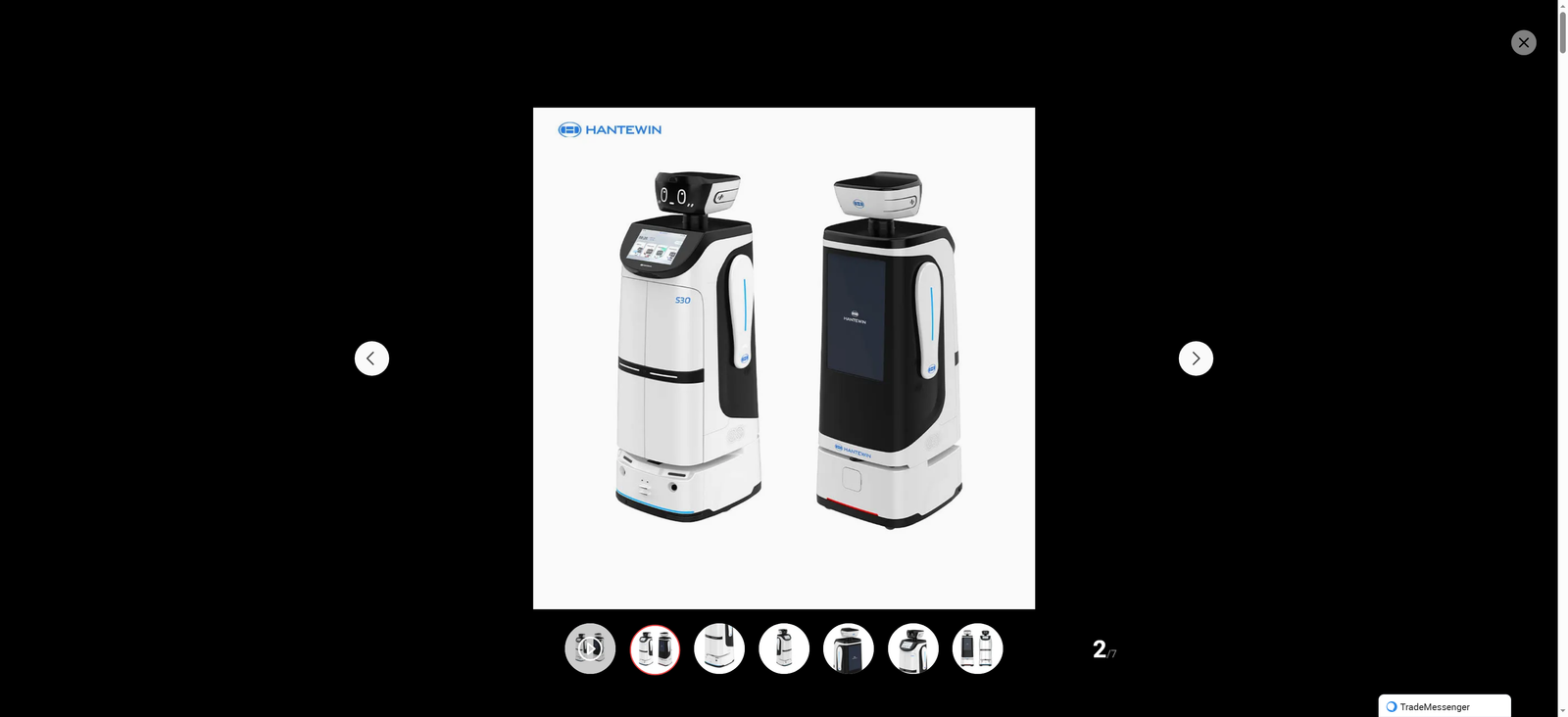
In the wave of digital transformation sweeping the global hospitality industry, smart reception robots integrated with AI facial recognition technology have emerged as a pivotal innovation, redefining the traditional front desk service model. These intelligent devices are not merely tools for efficiency improvement but also core carriers of brand upgrading, bridging the gap between technological convenience and humanized service. By combining high-precision biometric identification with intelligent interaction, they are leading hotels into an era of seamless, secure, and personalized service experiences.
The Core Technology: How AI Facial Recognition Empowers Hotel Reception Robots
At the heart of smart reception robots lies AI facial recognition technology, which has evolved from basic image matching to a multi-dimensional identification system supported by deep learning algorithms. Modern hotel reception robots adopt advanced technical architectures, including front-end collection modules, back-end processing units, and secure database management systems. The front-end module captures facial images through high-definition cameras and laser sensors, while the back-end processing unit extracts unique facial features using convolutional neural networks (CNNs), converting them into high-dimensional feature vectors for rapid comparison. This technological framework ensures a recognition accuracy of over 99.9% in optimal conditions, far surpassing traditional identification methods.
A key highlight of this technology is the integration of liveness detection, which effectively prevents identity fraud through forged documents or photos by verifying facial dynamics such as eye blinks and facial expressions. Additionally, the system achieves real-time connection with public security databases, realizing "person-document verification" to ensure compliance with regulatory requirements. When combined with multi-language voice interaction (with a recognition accuracy exceeding 95%) and emotional recognition capabilities, these robots can not only understand guest queries but also adjust their response strategies based on voice intonation and facial expressions, adding a "human touch" to technological services.
Practical Applications: Reshaping the Full Service Cycle of Hotels
AI facial recognition reception robots have penetrated the entire hotel service chain, bringing transformative changes to operational efficiency and guest experience.
In the check-in phase, these robots have revolutionized the traditional cumbersome process. Guests can initiate the check-in process by scanning their ID cards or simply facing the robot's camera. The system automatically retrieves booking information from OTA platforms in real-time, verifies the guest's identity through facial recognition, and completes room card production and payment within 60 seconds—reducing the average check-in time from 5 minutes to less than one minute. For repeat guests, the robot can recognize their faces instantly, call them by name, and recommend preferred room types based on historical stay records, creating a personalized welcome experience.
During the stay, the robot continues to deliver value-added services. Guests can use the robot to handle extensions, submit requests for amenities or wake-up calls, and pre-register invoice information for quick checkout. Equipped with precise autonomous navigation and obstacle avoidance technology, the robot can also guide guests to restaurants, meeting rooms, or elevators, solving the problem of getting lost in large hotels. At night, the robot automatically adjusts its interface brightness and alert volume to avoid disturbing other guests while ensuring clear operation guidance.
From the hotel's operational perspective, these robots offer significant cost-saving benefits. By enabling 24/7 unattended service, they reduce front desk staffing needs, lowering labor costs by 30%-50% according to practical case studies. The backend management system also records all operational data, providing hotels with valuable insights into customer flow, stay preferences, and service bottlenecks, enabling data-driven operational optimization.
Opportunities and Challenges: Balancing Technology and Human Touch
While AI facial recognition reception robots bring numerous advantages, their widespread adoption also faces certain challenges. The initial investment, including equipment procurement, system deployment, and network upgrades, can be a burden for small and medium-sized hotels. Although the long-term return on investment is promising—with a mid-range robot's lifespan exceeding 5 years, equivalent to the annual salary of one employee—budget constraints remain a key consideration.
Another challenge lies in adapting to diverse customer groups. Elderly guests or those accustomed to manual services may encounter difficulties in operating the robot. To address this, leading products are equipped with voice navigation, one-click human customer service calls, and remote assistance functions, striving to balance technological innovation with inclusive service. Additionally, data security and privacy protection have become critical issues. Hotels must adopt financial-grade encryption technology for facial data storage and transmission, comply with regulations such as GDPR, and clearly inform guests about data collection purposes and scopes to build trust.
The industry has gradually recognized that the optimal model is "human-robot collaboration" rather than full robot replacement. Robots handle standardized, repetitive tasks such as check-in, information inquiry, and guidance, allowing human staff to focus on emotional interaction and complex service needs—such as resolving guest complaints, providing customized travel advice, and caring for special needs guests. This model maintains service warmth while leveraging technological efficiency, as evidenced by hotels that have achieved a 70% reduction in front desk complaints after adopting the collaboration model.
Future Trends: Towards More Intelligent and Scenario-Based Services
The development of hotel AI facial recognition reception robots is moving towards deeper intelligence and scenario integration. Future robots will integrate multi-modal recognition technology, combining facial features with voiceprints and behavioral patterns to enhance identification accuracy and security. The integration of edge computing and cloud computing will reduce server pressure while enabling large-scale distributed processing, ensuring stable operation even in high-traffic scenarios.
Personalization will be taken to new heights. Through continuous learning of guest behavior data, robots will be able to proactively adjust room temperatures, recommend catering services, and even customize room layouts based on individual preferences. Appearance design will also become more human-like, with flexible facial expressions and body movements to eliminate the sense of estrangement in human-robot interaction. Some high-end hotels are already exploring extended applications, such as linking facial recognition with smart room access, elevator control, and in-hotel consumption, creating a fully seamless "face-swiping" stay experience.
Industry forecasts indicate that by 2030, over 60% of four-star and above hotels worldwide will be equipped with AI facial recognition reception systems. As technology matures and costs decline, this innovation will spread from high-end hotels to budget accommodations and boutique homestays, becoming a standard configuration in the hospitality industry.
Conclusion
Smart reception robots with AI facial recognition are more than just a technological novelty—they are a driving force for the hotel industry's digital transformation. By optimizing operational efficiency, enhancing service quality, and building a tech-savvy brand image, they address the core pain points of modern hotel management. As the industry continues to balance technological advancement with humanistic care, these robots will evolve from service tools to strategic assets, creating a more efficient, secure, and personalized hospitality ecosystem. In the journey of intelligent upgrading, hotels that embrace this technology while preserving the essence of warm service will undoubtedly gain a competitive edge in the evolving market.