
Smart Disinfection Robot with Atomizing Spray Technology for Hotels: Elevating Hygiene Standards in the Hospitality Industry
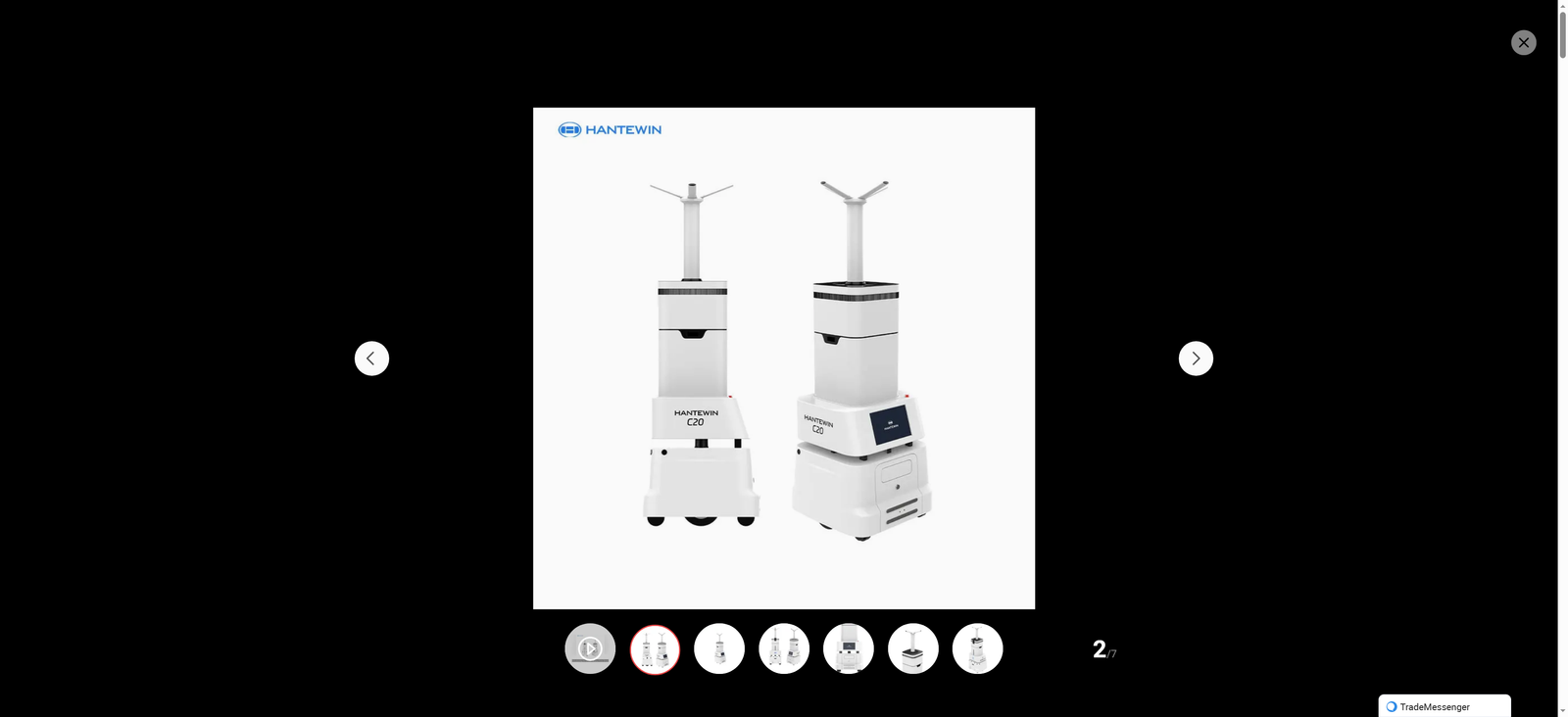
In the post-pandemic era, hygiene and safety have transcended from optional amenities to core competitiveness for hotels worldwide. Today’s travelers, whether for business or leisure, prioritize accommodations that demonstrate a rigorous commitment to health protection. As a result, hotels are increasingly turning to intelligent technologies to replace traditional manual disinfection, and the smart disinfection robot equipped with atomizing spray technology has emerged as a game-changer. This innovative solution not only enhances disinfection efficiency and effectiveness but also aligns with the modern hospitality industry’s pursuit of safety, efficiency, and guest satisfaction.
Traditional manual disinfection in hotels has long been plagued by inherent limitations. Hotel spaces—encompassing lobbies, corridors, guest rooms, restaurants, elevators, and conference halls—are diverse and extensive, making it challenging for human staff to achieve comprehensive, uniform disinfection. Manual work is also prone to human error: fatigue, oversight, or inconsistent operation can leave hidden hygiene dead corners, posing potential health risks to guests and staff. Additionally, with rising labor costs in the hospitality sector—accounting for 15%-20% of a hotel’s total operating costs in major Chinese cities—manual disinfection has become both inefficient and costly for many establishments. The smart disinfection robot with atomizing spray technology addresses these pain points head-on, offering a reliable, automated alternative that redefines hotel hygiene management.
At the heart of this smart robot lies its advanced atomizing spray technology, which sets it apart from conventional disinfection methods. Unlike traditional spraying that produces large droplets (which tend to accumulate on surfaces and miss small gaps), the atomizing system converts disinfectant into ultra-fine particles—typically 2-10 micrometers in size—that can float in the air and penetrate every corner of a space. This 360-degree, all-encompassing coverage ensures that even hard-to-reach areas—such as air conditioning vents, under furniture, between elevator buttons, and the crevices of door handles—are thoroughly disinfected. The tiny droplets also dry quickly, leaving no residue on furniture, bedding, or electronic equipment, eliminating the need for post-disinfection cleaning and avoiding damage to hotel facilities. Moreover, the robot supports a variety of safe disinfectants (such as hydrogen peroxide and hypochlorous acid), allowing hotels to choose products that meet their specific hygiene standards while ensuring guest safety.
Beyond its core atomizing technology, the smart disinfection robot is equipped with a suite of intelligent features tailored to hotel scenarios. Most models integrate AI-powered autonomous navigation and obstacle avoidance systems, using laser mapping (covering up to 40,000 square meters in some cases) to scan and map hotel layouts in real time. This enables the robot to navigate seamlessly through corridors, avoid guests and staff, and automatically adjust its path around obstacles such as luggage carts or cleaning equipment. Hotels can pre-program disinfection schedules—for example, disinfecting lobbies during off-peak hours, guest rooms after check-out, and conference halls between events—allowing the robot to work 24 hours a day without human supervision. Some advanced models also support remote control and monitoring via a mobile app or hotel management system, enabling staff to track disinfection progress, view real-time data (such as disinfection area and duration), and generate detailed reports for compliance and quality control purposes. Additionally, built-in human recognition technology ensures safety: when the robot detects a person nearby, it automatically pauses disinfection and resumes once the area is clear, preventing disinfectant exposure to guests or staff.
The application of smart disinfection robots with atomizing spray technology delivers multifaceted value to hotels, spanning guest experience, operational efficiency, and brand image. For guests, the presence of a smart disinfection robot serves as a visible commitment to health and safety, enhancing their sense of security and satisfaction. A survey of global hotel guests found that 78% prioritize accommodations with contactless services, and 65% identify automated public area disinfection as a key consideration. Hotels that adopt this technology often see improvements in guest reviews and booking rates—for instance, a five-star hotel in Shanghai reported a 12% increase in customer satisfaction and 18% growth in bookings after introducing smart disinfection robots. For hotel operations, the robot significantly reduces labor costs: one robot can replace 3-4 full-time cleaning staff, with a typical return on investment within three years. It also improves disinfection efficiency by 3-5 times compared to manual work, with some models capable of disinfecting 1,000 square meters in just 15 minutes or covering 4,300 cubic meters per hour at maximum power. Furthermore, the robot’s automated operation reduces the risk of staff exposure to harmful disinfectants, protecting employee health and well-being.
From an industry perspective, the adoption of smart disinfection robots aligns with the broader trend of intelligence and digitalization in the hospitality sector. According to 2025 industry data, spray disinfection robots account for 35% of the global disinfection robot market, with commercial applications (including hotels) representing 30% of total demand. Major international hotel chains such as Hilton, Marriott, and Jinjiang have already integrated these robots into their global hygiene standards, using them to enhance brand competitiveness and meet evolving guest expectations. As technology advances, future iterations of these robots are expected to become even more intelligent: with longer battery life (extending beyond 6 hours), multi-machine collaborative operation, and modular designs that reduce maintenance costs by 30%, they will further optimize hotel operations. Additionally, the integration of IoT technology will enable seamless connectivity with other hotel systems, creating a fully intelligent hygiene management ecosystem.
While the initial investment in smart disinfection robots may seem significant, the long-term benefits far outweigh the costs. For hotels, this technology is not merely a short-term response to post-pandemic hygiene demands but a long-term investment in guest trust, operational efficiency, and brand sustainability. It addresses the core challenges of manual disinfection—inefficiency, inconsistency, and high costs—while setting a new standard for hygiene in the hospitality industry. As travelers continue to prioritize health and safety, and as hotels strive to differentiate themselves in a competitive market, the smart disinfection robot with atomizing spray technology will become an indispensable tool for forward-thinking establishments.
In conclusion, the smart disinfection robot with atomizing spray technology is transforming hotel hygiene management, offering a reliable, efficient, and intelligent solution that benefits guests, staff, and hotel operators alike. Its advanced atomizing technology ensures comprehensive, residue-free disinfection, while its intelligent features enable seamless integration into hotel operations. As the hospitality industry continues to evolve, this innovative technology will play a pivotal role in elevating hygiene standards, enhancing guest experiences, and driving the industry toward a more intelligent, sustainable future.