
In the era of digital transformation, the integration of smart technology into service scenarios has become an inevitable trend, reshaping the efficiency and quality of daily operations. Among the various smart devices emerging in recent years, smart delivery robots have stood out, especially in office buildings and hotels—two scenarios that demand high efficiency, standardization, and personalized services. By taking over tedious and repetitive delivery tasks, these robots are not only streamlining service processes but also creating a more convenient and intelligent experience for employees, guests, and management. This article explores how smart delivery robots are revolutionizing office and hotel services, and the core values they bring to these fields.
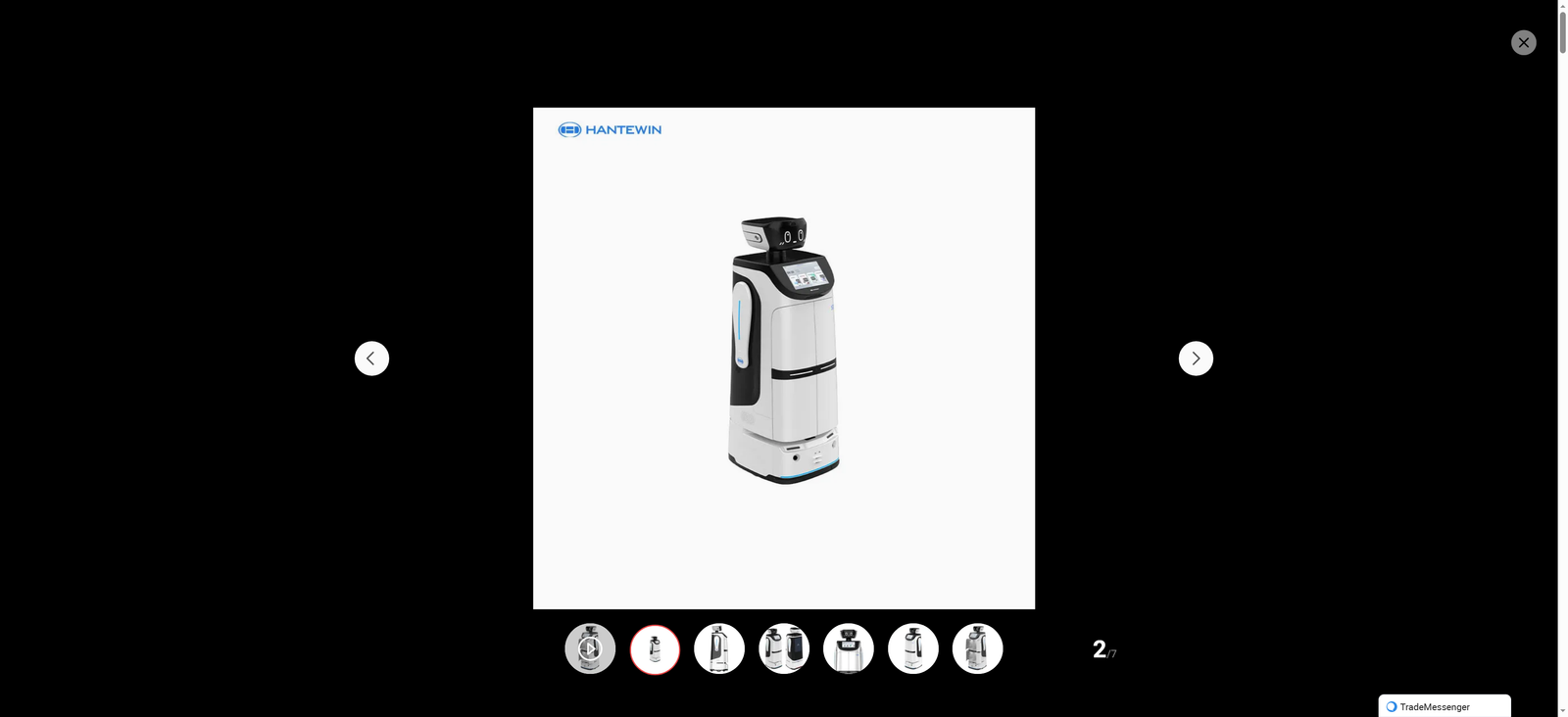
Office buildings, as hubs of corporate operations, are often faced with challenges such as inefficient internal logistics, time-consuming document delivery, and scattered daily supplies distribution. Traditional delivery methods rely on administrative staff or couriers, which are not only prone to delays due to human factors but also occupy valuable human resources that could be allocated to more strategic tasks. Smart delivery robots have effectively addressed these pain points by leveraging advanced technologies such as autonomous navigation, AI recognition, and IoT connectivity. Equipped with high-precision sensors and mapping systems, these robots can accurately plan routes in complex office environments, avoiding obstacles such as elevators, corridors, and pedestrians. They are capable of delivering a wide range of items, including documents, contracts, office stationery, snacks, and even packages from external couriers. For example, when an employee needs to send a confidential document to a colleague on another floor, they can simply place the document in the robot’s compartment, input the recipient’s information through a mobile app or the robot’s touch screen, and the robot will automatically navigate to the designated location, send a notification to the recipient, and complete the handover. This not only saves time for employees but also ensures the safety and confidentiality of important documents, reducing the risk of loss or leakage.
In the hotel industry, where customer experience is the top priority, smart delivery robots are becoming a new highlight of service innovation. Hotels often need to handle a large number of repetitive delivery tasks, such as delivering towels, toiletries, mineral water, food, and packages to guest rooms. Traditional manual delivery may be delayed during peak hours (e.g., check-in periods, meal times) or lead to inconsistent service quality due to differences in staff proficiency. Smart delivery robots can operate 24/7 without interruption, ensuring that guest needs are met in a timely manner. When a guest places a request through the hotel’s mobile app or the in-room phone, the robot will quickly pick up the items from the service desk or kitchen, navigate to the target guest room via the elevator (equipped with elevator interconnection technology), and send a reminder to the guest via SMS or the app. Guests can then unlock the robot’s compartment with a one-time code, completing the self-service collection. This not only improves delivery efficiency but also reduces direct contact between guests and staff, which is particularly important in the context of post-pandemic health and safety requirements. Moreover, the novel and intelligent interaction with robots can enhance the guest experience, making their stay more memorable and helping hotels gain a competitive edge in the market.
Beyond improving efficiency and service quality, smart delivery robots also bring significant benefits to the management of offices and hotels in terms of cost control and data management. In the long run, adopting robots can reduce labor costs, as a single robot can replace multiple human workers in handling delivery tasks, especially for large-scale office buildings and hotels. Additionally, robots can generate detailed operation data, such as delivery frequency, peak demand periods, and common delivery items. Management can analyze this data to optimize resource allocation—for example, adjusting the number of robots deployed during peak hours, or preparing more of the most frequently requested items in advance. This data-driven management approach helps improve operational efficiency and reduce waste. Furthermore, smart delivery robots are environmentally friendly, as most of them are powered by electricity and produce no exhaust emissions, aligning with the global trend of green and sustainable development.
Of course, the widespread application of smart delivery robots in office and hotel services also faces certain challenges. For instance, the initial investment cost of purchasing and deploying robots is relatively high, which may be a barrier for small and medium-sized enterprises or budget-constrained hotels. Additionally, in some complex environments (e.g., office buildings with frequent personnel changes, hotels with irregular layouts), the robot’s navigation system may need continuous optimization to ensure accuracy. However, with the continuous advancement of technology and the gradual reduction of production costs, these challenges are being gradually addressed. Many robot manufacturers are also providing customized solutions according to the specific needs of offices and hotels, further improving the adaptability of robots.
Looking to the future, smart delivery robots will become more intelligent and versatile. With the development of AI and machine learning, they will be able to recognize and respond to more complex human commands, interact with guests and employees in a more natural way, and even take on more tasks such as guiding visitors, providing information consultation, and conducting routine inspections. The integration of 5G technology will also enhance the robot’s communication speed and stability, enabling real-time data transmission and remote control. In the context of the smart city construction, smart delivery robots will also be connected with other smart devices in office buildings and hotels (such as smart elevators, smart access control, and smart room systems), forming a more integrated and intelligent service ecosystem.
In conclusion, smart delivery robots are playing an increasingly important role in streamlining office and hotel services. By optimizing delivery processes, improving service quality, reducing operational costs, and bringing innovative experiences, they are becoming an indispensable part of the smart transformation of these industries. As technology continues to evolve, the application prospects of smart delivery robots will be even broader, contributing to the development of more efficient, convenient, and intelligent service environments. For offices and hotels that aim to enhance competitiveness and adapt to the digital age, embracing smart delivery robots is not only a choice but also a trend.