
In the modern hotel industry, where operational efficiency and guest experience are paramount, the demand for intelligent cleaning solutions has never been more urgent. Among the various cleaning tasks in hotels, high-pressure scrubbing—essential for areas like lobbies, corridors, kitchens, and parking lots—has long been a labor-intensive and time-consuming process. Traditional manual scrubbing not only relies heavily on skilled workers but also struggles to ensure consistent cleaning quality and safety compliance. Against this backdrop, smart hotel cleaning robots tailored for efficient high-pressure scrubbing have emerged as a game-changer, redefining the standards of cleanliness and operational efficiency in the hospitality sector.
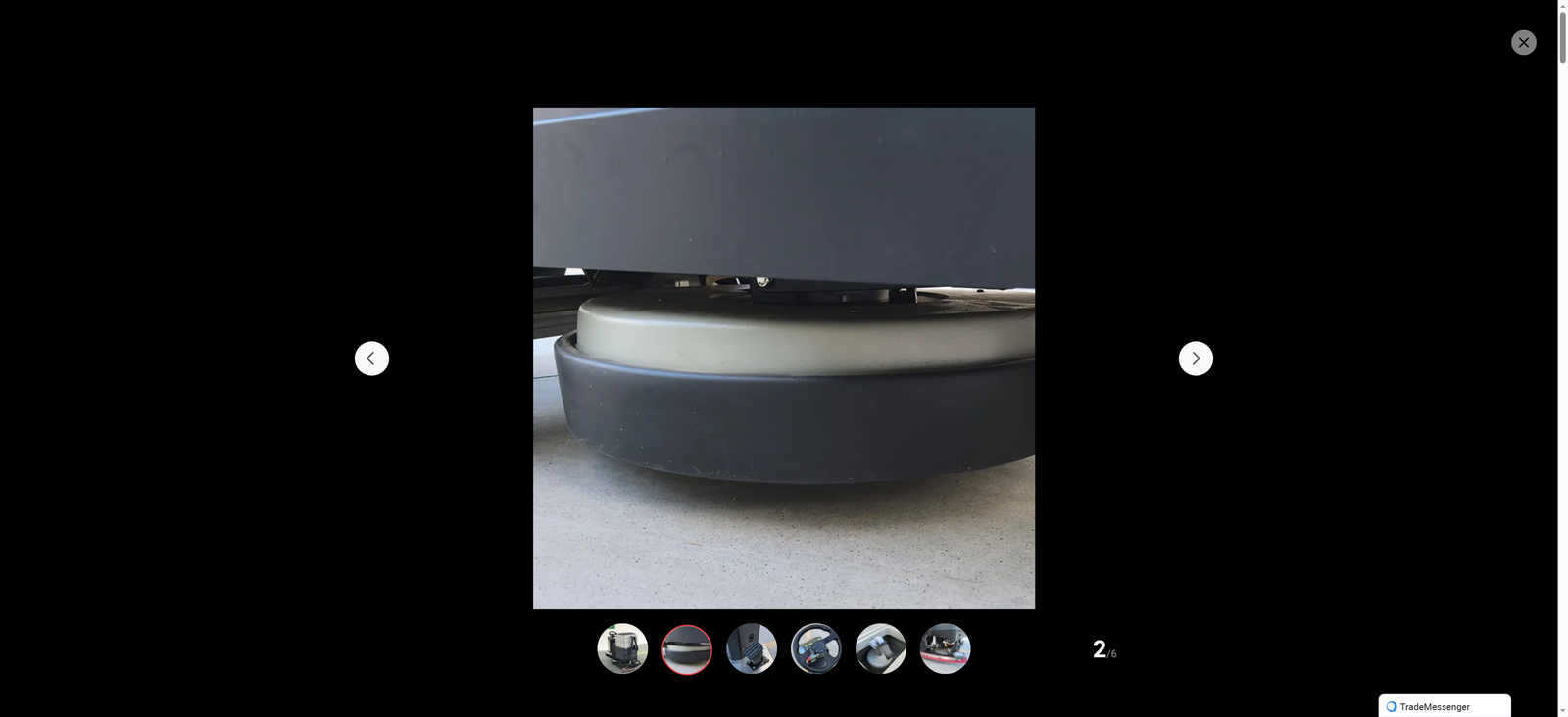
The core advantage of smart hotel cleaning robots lies in their ability to combine high-pressure scrubbing power with intelligent navigation and automation, addressing the key pain points of manual cleaning. Unlike manual operations that are prone to fatigue and uneven force application, these robots are equipped with high-performance high-pressure water pumps and precision scrubbing brushes, capable of delivering a consistent water pressure of 150-300 bar—sufficient to remove stubborn stains, oil residues, and ground dirt that are common in high-traffic hotel areas. What sets them apart is their intelligent control system: integrated with advanced sensors (such as LiDAR, cameras, and ultrasonic sensors) and mapping algorithms, the robots can automatically scan and map the cleaning area, plan the optimal scrubbing path, and avoid obstacles such as furniture, decorative items, and even moving guests. This not only eliminates the risk of collisions but also ensures that no area is missed or repeatedly cleaned, maximizing the efficiency of high-pressure scrubbing.
Efficiency is not the only benefit; smart cleaning robots also significantly enhance the operational sustainability and cost-effectiveness of hotels. Manual high-pressure scrubbing often results in excessive water and detergent usage, as workers may struggle to control the dosage accurately. In contrast, smart robots are equipped with precise flow control systems that adjust the water and detergent dosage according to the dirt level of the floor, reducing water consumption by up to 50% and detergent usage by 30% compared to manual operations. This not only lowers the hotel’s operational costs but also aligns with the global trend of green hospitality, helping hotels achieve their environmental sustainability goals. Additionally, by automating the labor-intensive high-pressure scrubbing task, hotels can reallocate human resources to more value-added services such as guest reception and personalized care, improving the overall guest experience while reducing labor costs and turnover rates.
Safety is another critical aspect where smart hotel cleaning robots outperform manual operations. High-pressure water jets used in manual scrubbing pose a risk of injury to workers, especially if they are not properly trained. Moreover, the wet floors left after manual scrubbing can lead to slip-and-fall accidents for guests and staff. Smart robots address these issues by incorporating multiple safety features: they are designed with anti-slip tires and stable chassis to ensure safe operation on wet floors; their high-pressure nozzles are strategically positioned to avoid splashing water on guests or walls; and they are equipped with real-time monitoring systems that allow hotel staff to track the cleaning progress and equipment status remotely. Some advanced models even have automatic drying functions, which quickly dry the scrubbed floor, eliminating the risk of slip-and-fall accidents and ensuring a safe environment for guests and staff.
As the hotel industry continues to embrace digital transformation, the adoption of smart cleaning robots for high-pressure scrubbing is becoming a competitive advantage rather than a luxury. Many international hotel chains have already integrated these intelligent devices into their daily operations, reporting significant improvements in cleaning efficiency, cost savings, and guest satisfaction. For example, a 5-star hotel in Shanghai replaced manual high-pressure scrubbing with smart robots in its 2,000-square-meter lobby and corridor area, reducing the cleaning time from 8 hours to 2.5 hours per day, cutting water and detergent costs by 45%, and receiving positive feedback from guests on the cleanliness and safety of the public areas.
Looking ahead, with advancements in artificial intelligence, Internet of Things (IoT), and battery technology, smart hotel cleaning robots will become even more intelligent and versatile. Future models may be able to recognize different types of floor materials (such as marble, wood, and carpet) and adjust the high-pressure intensity and scrubbing mode accordingly, further improving cleaning quality. They may also integrate with the hotel’s central management system, enabling seamless coordination with other smart devices such as elevators and lighting, creating a fully automated and interconnected cleaning ecosystem.
In conclusion, smart hotel cleaning robots for efficient high-pressure scrubbing are transforming the way hotels maintain cleanliness and operational efficiency. By combining powerful high-pressure scrubbing capabilities with intelligent navigation, precise resource control, and comprehensive safety features, these robots not only solve the long-standing challenges of manual cleaning but also contribute to the sustainability, cost-effectiveness, and competitiveness of hotels. As the technology continues to evolve, they will undoubtedly play an increasingly important role in shaping the future of the hospitality industry, setting new standards for cleanliness, safety, and guest experience.