
With the rapid advancement of artificial intelligence and robotics technology, the service industry is undergoing a profound transformation. Among them, robot food delivery and hotel catering robots have emerged as prominent representatives of this change, gradually moving from conceptual prototypes to practical applications that integrate into people's daily lives. These intelligent robotic systems are not only changing the traditional operation mode of the catering and hotel industries but also redefining the service experience for consumers, marking the arrival of a new era of intelligent catering services.
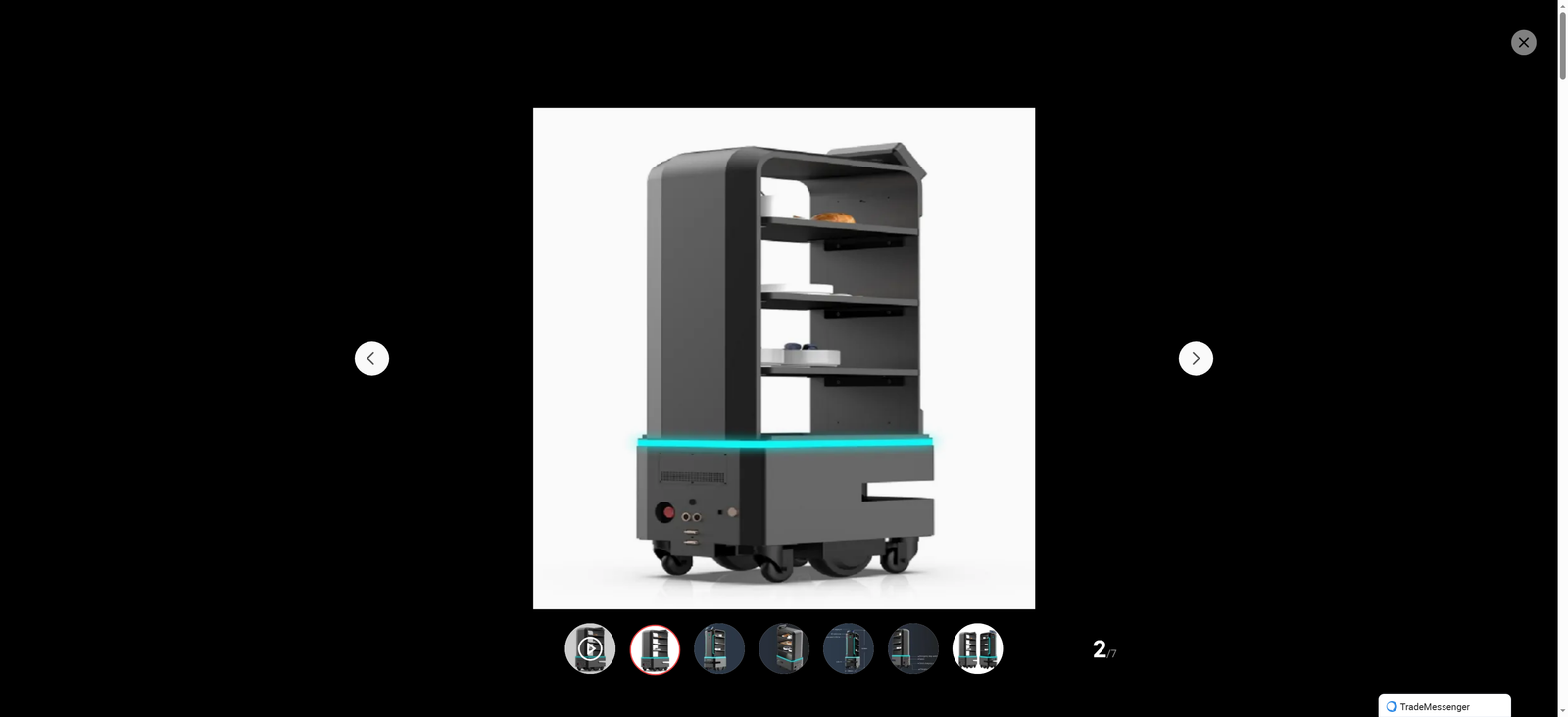
Robot food delivery, as a typical application of intelligent technology in the takeout and catering retail fields, has effectively solved many pain points in the traditional food delivery industry. In the past, manual food delivery was often plagued by problems such as low efficiency during peak hours, delayed deliveries due to traffic jams, and high labor costs. Intelligent food delivery robots, equipped with advanced navigation systems, sensors, and automatic obstacle avoidance technologies, can flexibly navigate through complex urban roads, residential areas, or office buildings. They are not affected by factors such as weather, traffic, or working hours, and can maintain stable and efficient delivery capabilities 24 hours a day. For example, in some high-tech parks and closed communities, food delivery robots have become a common sight. They can accurately reach the designated delivery point according to the order information, and complete the delivery process through contactless interaction, which not only improves the delivery efficiency but also enhances the safety and hygiene of the service, especially in the context of emphasizing public health security.
Compared with food delivery robots that focus on the "last-mile" delivery link, hotel catering robots are more integrated into the whole process of hotel catering services, bringing a new upgrade to the guest experience. From the moment guests enter the hotel, catering robots can undertake a series of tasks such as guiding to the restaurant, recommending dishes, ordering meals, and delivering food to the room. These robots are usually equipped with friendly voice interaction modules and high-definition display screens, which can communicate with guests in a natural language, understand their needs, and provide personalized services. For instance, when a guest orders a meal through the hotel's intelligent system, the catering robot will automatically receive the order, pick up the prepared food from the kitchen, and accurately deliver it to the guest's room through the elevator and corridor navigation. During the delivery process, the robot can also send real-time notifications to the guest, allowing them to grasp the delivery progress at any time. In addition, hotel catering robots can also help with table cleaning and dish collection after meals, reducing the workload of hotel staff and enabling them to focus more on providing high-value-added services such as emotional communication with guests.
The wide application of robot food delivery and hotel catering robots not only brings convenience to consumers but also brings significant operational benefits to enterprises in the industry. For catering and hotel operators, the use of intelligent robots can effectively reduce labor costs. In the traditional catering industry, the cost of labor accounts for a large proportion of the total operating cost, and the problem of staff turnover is also relatively prominent. The introduction of robots can replace part of the repetitive and tedious work, reducing the dependence on manual labor and stabilizing the service quality. At the same time, robots can record and analyze service data in real time, such as the number of deliveries, guest order preferences, and peak service periods. Enterprise managers can use these data to optimize the supply chain management, adjust the menu structure, and improve the overall operational efficiency. For example, according to the order data collected by the robot, the hotel can adjust the types and quantities of dishes prepared, reducing food waste and improving the utilization rate of resources.
Of course, the development of robot food delivery and hotel catering robots is still facing some challenges. For example, the high cost of robot research and development and purchase makes it difficult for some small and medium-sized enterprises to afford; the adaptability of robots in complex environments (such as severe weather, crowded public areas, and old buildings without elevator intelligent interfaces) still needs to be improved; and some consumers still prefer the warm service brought by humans, and have a certain psychological distance from the cold robots. However, with the continuous progress of technology and the gradual reduction of production costs, these problems will be gradually solved.
Looking to the future, robot food delivery and hotel catering robots will move towards a more intelligent, humanized, and diversified development direction. With the integration of technologies such as 5G, big data, and the Internet of Things, the perception ability, decision-making ability, and interaction ability of robots will be further enhanced. They will not only be able to complete basic delivery and service tasks but also provide more personalized and customized services according to the individual needs of consumers. For example, according to the guest's dietary preferences and health status, the hotel catering robot can recommend suitable dishes and even cooperate with the kitchen to complete simple food processing. At the same time, the application scope of these robots will also expand from large cities and high-end hotels to more regions and different levels of catering and accommodation institutions, becoming an indispensable part of the intelligent service industry.
In conclusion, robot food delivery and hotel catering robots are not only a product of technological progress but also a powerful driving force for the transformation and upgrading of the catering and hotel industries. They are reshaping the service mode and industry ecology with their unique advantages of efficiency, safety, and intelligence. Although there are still some challenges in their development, with the continuous innovation of technology and the continuous optimization of the market environment, these intelligent robots will surely play a more important role in the future service industry, bringing a more convenient, efficient, and high-quality experience to people's lives.