
Smart Automatic Delivery Robots: Transforming Service Standards in Restaurants and Hotels
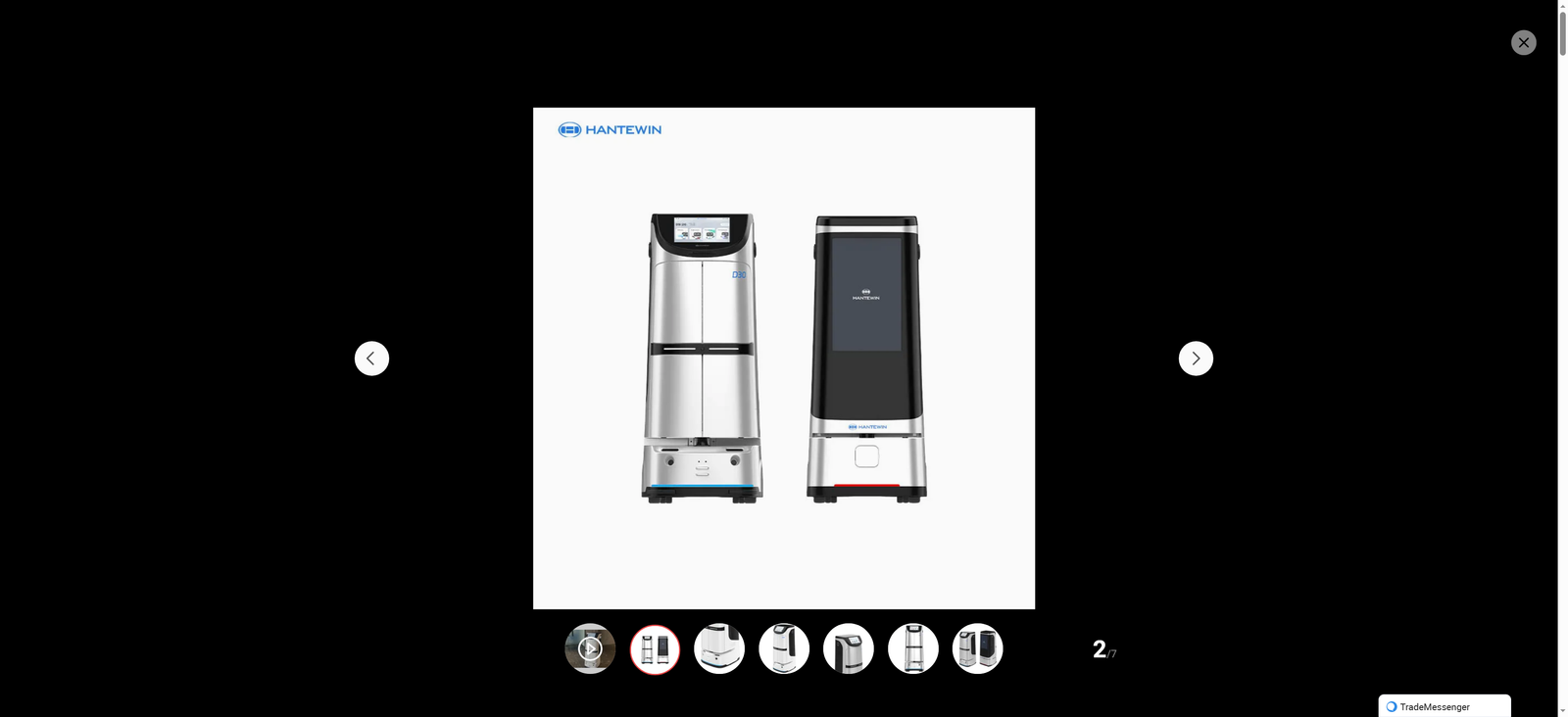
In the fast-paced hospitality industry, where efficiency, safety, and customer experience are paramount, smart automatic delivery robots have emerged as game-changing innovations. These intelligent machines, integrated with cutting-edge technologies such as artificial intelligence (AI), the Internet of Things (IoT), and advanced navigation systems, are redefining service paradigms in restaurants and hotels worldwide. From streamlining daily operations to enhancing guest satisfaction, they are no longer just novelty additions but indispensable assets for modern hospitality businesses.
Core Technologies: The Driving Force Behind Intelligent Delivery
The seamless performance of smart automatic delivery robots hinges on a synergy of sophisticated technologies that empower them to navigate complex environments, make real-time decisions, and interact seamlessly with their surroundings. At the heart of their functionality lies multi-sensor fusion, combining laser radar (LiDAR), 3D cameras, ultrasonic sensors, and inertial measurement units to create a comprehensive "perceptual system" . LiDAR enables high-precision mapping and positioning, while 3D cameras identify objects and terrain variations, and ultrasonic sensors detect transparent obstacles or low-lying objects that might be missed by other sensors. This fusion ensures centimeter-level navigation accuracy and reliable real-time obstacle avoidance, even in crowded dining halls or bustling hotel corridors.
Complementing the perceptual layer is an advanced decision-making system powered by simultaneous localization and mapping (SLAM) technology and AI algorithms . When first deployed, the robot autonomously scans its environment to build a detailed map, which serves as the foundation for optimal route planning. For multi-robot operations, a centralized dispatch system acts as a "traffic control center," assigning tasks, optimizing paths, and preventing collisions—critical for maintaining efficiency during peak hours . Additionally, IoT integration allows robots to connect with elevators, access control systems, and backend management platforms, enabling cross-floor delivery and remote monitoring of robot status, battery levels, and task progress .
Scenario Applications: Versatile Service Across Hospitality Settings
Smart delivery robots are designed to adapt to the diverse needs of restaurants and hotels, offering versatile solutions that cover multiple service scenarios.
In restaurants, these robots excel at streamlining food service workflows. During peak dining periods, they take over repetitive tasks such as meal delivery, dish recycling, and even promotional messaging . Equipped with stable trays and shock absorption systems, they ensure dishes are delivered smoothly without spillage, while LED indicator lights and voice broadcasts alert customers when their orders arrive . Some advanced models feature AI voice interaction, allowing them to introduce daily specials, recommend set menus, and answer basic customer queries—enhancing engagement while reducing staff workload . Post-meal, they autonomously collect used plates and return them to the kitchen, improving hygiene standards and freeing up servers to focus on high-quality customer interaction .
In hotels, delivery robots transform guest services by handling a wide range of tasks beyond food delivery. They efficiently transport amenities (such as water, towels, and toiletries) to guest rooms, respond to late-night requests without requiring additional staff, and even assist with luggage transportation and laundry delivery . The "no-contact" delivery feature has become particularly valued, as it protects guest privacy and enhances safety—an essential consideration in post-pandemic hospitality . For large hotels, models with a maximum load capacity of 300kg and牵引 capabilities of 400kg can handle heavy-duty tasks like linen transportation, significantly reducing manual labor . Moreover, their ability to operate 24/7 with automatic recharging ensures uninterrupted service, addressing the challenge of nighttime staff shortages .
Operational Value: Efficiency, Cost Savings, and Enhanced Experience
The adoption of smart automatic delivery robots delivers tangible benefits for hospitality businesses, spanning operational efficiency, cost reduction, and customer experience enhancement.
From an operational perspective, robots significantly boost efficiency by eliminating human fatigue and maintaining consistent performance. Unlike human staff, they can work continuously for 8–24 hours on a single charge, with some models supporting fast battery replacement for non-stop operation . A single restaurant robot can carry up to 25 dishes per trip—far more than the average human server—and reduce delivery time by optimizing routes . For hotels, the integration of robots with digital management systems reduces 90% of repetitive workloads, allowing staff to focus on personalized services that create memorable guest experiences .
Cost savings are another key advantage. The hospitality industry faces persistent challenges of high labor costs and staff turnover, but robots offer a long-term solution. Studies show that using delivery robots can reduce labor costs by approximately 58% compared to traditional human staff . With minimal maintenance requirements and a long service life, robots provide a high return on investment over time. Additionally, some robots feature built-in advertising screens, turning them into mobile marketing platforms for promoting services or partner products—creating an additional revenue stream .
For customers, robots enhance the service experience by combining convenience, novelty, and personalization. The fast, accurate delivery of meals and amenities reduces waiting time, while the interactive features (such as voice prompts and LED lighting) add a fun, high-tech element to the dining or hotel stay . The no-contact service model also caters to the growing demand for privacy and hygiene, reassuring customers and building trust in the brand .
Future Trends: Toward More Intelligent and Human-Centric Service
As technology continues to evolve, smart automatic delivery robots are poised to become even more integrated into hospitality operations, with several key trends on the horizon. Technical fusion will be a primary driver—combining AI, big data, and 5G to enable faster decision-making, more precise navigation, and seamless human-robot collaboration . 5G technology, in particular, will enhance real-time communication between robots and backend systems, supporting remote control and edge computing for reduced latency .
Scenario expansion will also accelerate, with robots taking on more complex tasks such as table setting, food preparation assistance, and even personalized guest greetings based on customer preferences stored in backend systems . The focus on human-centric design will grow, with robots being engineered to exhibit "emotional intelligence"—adapting their interactions to different customer groups (such as children or the elderly) and integrating more seamlessly with human staff to maintain the "warmth" of hospitality . For example, some hotels already adjust robot notifications to use phone calls instead of doorbells, addressing the issue of guests not seeing the short robots through peepholes .
In conclusion, smart automatic delivery robots are transforming the hospitality industry by merging efficiency with innovation. They are not just tools for reducing costs and increasing productivity but enablers of higher service standards and more memorable guest experiences. As technology advances and businesses embrace the potential of intelligent automation, these robots will become essential partners in building the future of restaurants and hotels—where technology serves as a bridge between efficiency and human connection.