
In the era of digital transformation, the service industry is undergoing a profound revolution driven by technological innovation. Among them, intelligent food delivery robots have emerged as a key force in reshaping the service models of restaurants and hotels. No longer confined to the realm of science fiction, these intelligent devices have stepped into real-life scenarios, seamlessly integrating into daily operations to solve pain points such as labor shortages, inefficient service, and uneven service quality. From busy restaurants during peak hours to high-end hotels pursuing refined service, intelligent food delivery robots are becoming an indispensable part of the modern catering and hospitality industry, bringing a new wave of efficiency improvement and experience upgrading.
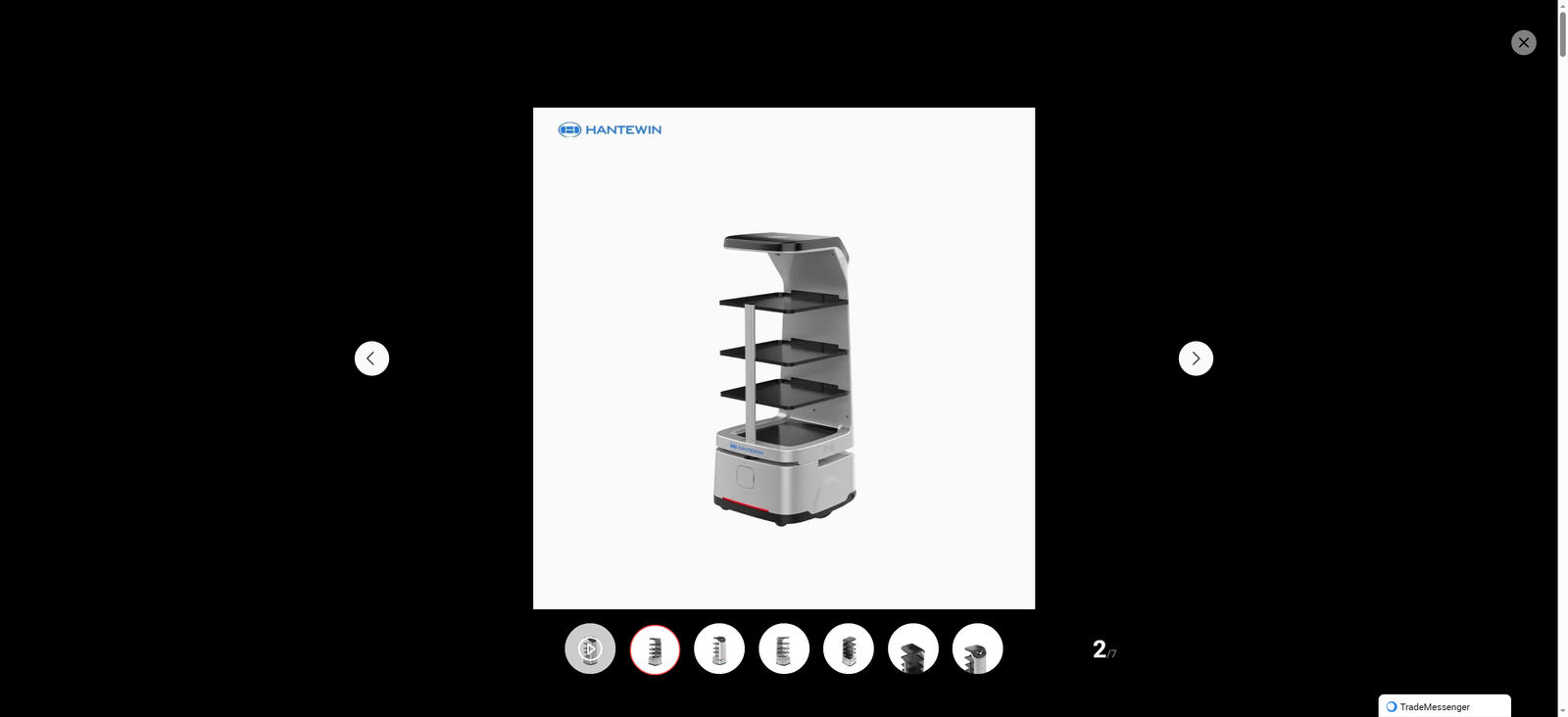
The rise of intelligent food delivery robots is not an accidental phenomenon, but a natural result of the combined effect of market demand and technological progress. In recent years, the catering and hotel industries have been facing severe challenges in labor costs. The difficulty in recruiting, retaining and managing employees has become a common problem for operators. During peak dining hours, restaurants often suffer from insufficient waiters, leading to delayed food delivery, missed orders and customer complaints. Hotels, especially those with large scales and high guest flow, also need to allocate a large number of human resources for room service, meal delivery and other work, which increases operational costs while being prone to human errors. Against this background, intelligent food delivery robots, with their 24/7 uninterrupted work capacity, high efficiency and low error rate, have become an ideal solution to alleviate labor pressure. At the same time, the maturity of technologies such as artificial intelligence, machine vision, and autonomous navigation has laid a solid technical foundation for the popularization of food delivery robots. They can accurately identify obstacles, plan optimal delivery routes, and complete tasks such as food picking, delivery and return independently, realizing a high degree of intelligence and automation.
For restaurants, intelligent food delivery robots have brought a comprehensive upgrade in operational efficiency and service quality. Firstly, they significantly improve the speed of food delivery. Unlike human waiters who need to take orders, pick up food and deliver food in turn, robots can directly receive order information from the system, quickly go to the kitchen to pick up food, and then accurately deliver it to the designated table according to the pre-set route. In busy restaurants, this can reduce the average food delivery time by 30% to 50%, greatly improving customer satisfaction. Secondly, robots can reduce human errors. Order mistakes, wrong table delivery and other problems caused by human factors are common in traditional catering services, but intelligent robots rely on system instructions and precise positioning to ensure that each delivery task is completed accurately, reducing the rate of service errors to almost zero. In addition, food delivery robots can also take on some auxiliary work, such as delivering tableware, pouring water and reminding customers to pay, which allows human waiters to focus more on providing personalized services such as recommending dishes and communicating with customers, improving the overall service level of the restaurant. For example, many hot pot restaurants and buffets have introduced food delivery robots. During peak hours, robots shuttle between tables and kitchens in an orderly manner, not only alleviating the work pressure of the service staff, but also becoming a unique "scenic spot" that attracts customers to take photos and share, enhancing the brand's popularity and influence.
In the hotel industry, intelligent food delivery robots are redefining the standard of refined service with their professionalism and flexibility. Hotels, as places that pursue high-quality service experience, have extremely high requirements for the timeliness and accuracy of service. Intelligent food delivery robots can perfectly meet these needs. For example, when guests need room service such as meal delivery, snacks or daily necessities, they only need to make a request through the room phone or mobile app. The robot will quickly receive the order, take the corresponding items from the service desk or kitchen, and then navigate to the designated room door accurately. It can even automatically call the elevator, swipe the card to enter the corridor, and send a reminder to the guest through voice broadcast. This whole process does not require human intervention, which not only saves the time of the hotel staff, but also protects the privacy of the guests to the greatest extent. Compared with traditional room service, robots can provide 24-hour uninterrupted service. Whether it is late at night or early in the morning, guests can get timely service as long as they have needs, which greatly improves the sense of experience and satisfaction of the guests. In addition, high-end hotels can also customize the appearance and service language of the robots according to their own brand positioning, making the robots not only a service tool, but also a carrier of brand culture, showing the hotel's intelligent and humanized service concept.
While bringing obvious advantages to restaurants and hotels, intelligent food delivery robots also have a positive impact on the health and safety of services. Especially after the epidemic, people pay more attention to contactless service. Food delivery robots can avoid direct contact between service staff and customers during the delivery process, reducing the risk of cross-infection. At the same time, the robot body can be regularly disinfected, and the food delivery compartment has a closed design, which can effectively ensure the hygiene and safety of food. This contactless service model not only conforms to the public's health needs, but also has become an important means for restaurants and hotels to enhance their competitiveness in the post-epidemic era.
Looking to the future, the development potential of intelligent food delivery robots in restaurants and hotels is far from being exhausted. With the continuous progress of technologies such as 5G, Internet of Things and big data, food delivery robots will become more intelligent and functional. In the future, they may not only be able to complete food delivery tasks, but also have functions such as intelligent order taking, customer needs analysis and personalized service recommendation. For example, through face recognition technology, robots can remember the eating habits of regular customers and take the initiative to recommend their favorite dishes; through analyzing customer feedback data, they can help operators adjust menus and optimize service processes. In addition, the cost of intelligent food delivery robots will gradually decrease with the expansion of production scale and technological maturity, making it possible for more small and medium-sized restaurants and hotels to use them, promoting the comprehensive intelligent upgrading of the entire industry.
Of course, the popularization of intelligent food delivery robots does not mean replacing human services. On the contrary, they are a complement and upgrade to human services. Robots are responsible for repetitive, tedious and high-intensity work, while humans focus on providing emotional communication, personalized services and other work that requires human care. This "human-machine collaboration" model can maximize the advantages of both, realizing a win-win situation of operational efficiency improvement and service quality upgrading for restaurants and hotels.
In conclusion, intelligent food delivery robots, with their unique advantages of high efficiency, accuracy, safety and low cost, have become a powerful driving force for the transformation and development of restaurants and hotels. They are not only changing the traditional service model, but also reshaping the core competitiveness of the industry. As technology continues to innovate and market demand continues to expand, intelligent food delivery robots will play a more important role in the catering and hospitality industry, bringing a more high-quality, efficient and intelligent service experience to customers, and injecting new vitality into the sustainable development of the industry.