
In the wave of digital transformation, the hotel industry, which has always taken "humanized service" as its core competitiveness, is ushering in a revolutionary change. With the rapid development of artificial intelligence, Internet of Things and autonomous navigation technologies, hotel service robots and delivery robots have gradually stepped out of the laboratory and become indispensable "new employees" in hotels around the world. They are not only changing the way hotels operate and manage, but also redefining the connotation of guest experience, injecting a new vitality into the traditional hotel industry.
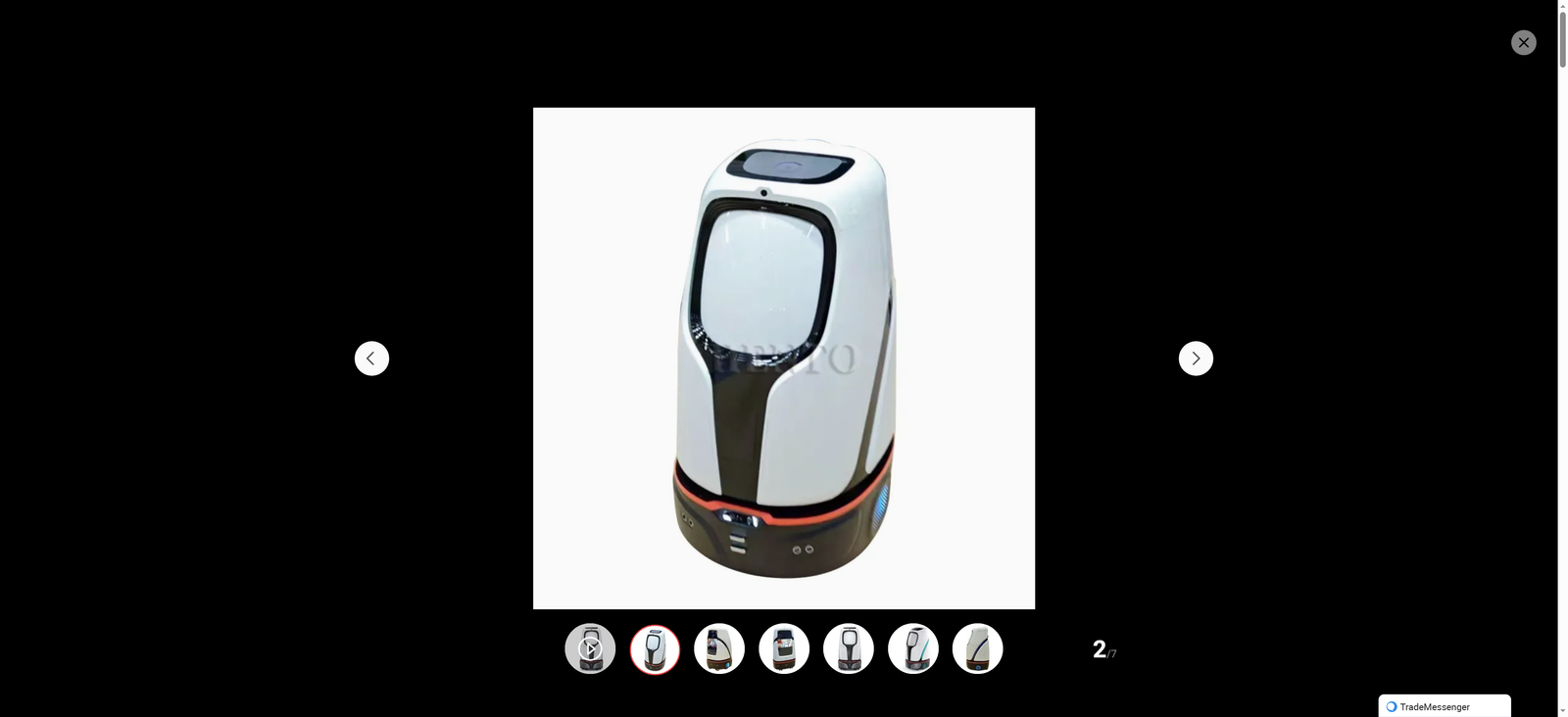
Hotel service robots and delivery robots are not just simple "machine replacements", but intelligent partners that complement human services. Different from the single function of early service equipment, today's robots have been upgraded in multiple dimensions such as perception, interaction and execution. Equipped with high-precision sensors, 3D cameras and advanced navigation algorithms, they can easily navigate in complex hotel environments, avoid obstacles flexibly, and accurately reach any designated floor and room. Whether it is delivering towels, mineral water and other daily necessities, or sending takeaways, express delivery, or even guiding guests to check in, take the elevator and introduce hotel facilities, these robots can complete the tasks efficiently and accurately.
For hotels, the introduction of service and delivery robots has brought tangible operational benefits. First of all, it effectively reduces labor costs. In the traditional hotel operation mode, housekeeping, concierge and other positions need a large number of employees to ensure the normal operation of services. Especially during peak tourist seasons, the shortage of labor and the increase in labor costs have always been the pain points of hotel management. Robots can work 24 hours a day without rest, without the need for vacation, overtime pay and other costs, which greatly reduces the hotel's labor pressure and operational expenses. Secondly, it improves service efficiency and stability. Human services are often affected by factors such as physical strength, mood and proficiency, which may lead to delays in service or inconsistent service quality. Robots, on the other hand, can strictly follow the set procedures to complete tasks, ensuring that each service is standardized and efficient. For example, a delivery robot can complete the delivery of items from the front desk to the guest room in 3-5 minutes, which is much faster than the time spent by human staff to go back and forth.
For guests, the emergence of hotel service and delivery robots has brought a novel, convenient and intimate experience. In the era of pursuing personalization and efficiency, guests are more and more inclined to obtain services quickly and independently without unnecessary communication. When guests need daily necessities, they only need to make a request through the hotel APP or the smart device in the room, and the delivery robot will send the items to the door in a short time. This contactless service not only saves guests' time, but also avoids the embarrassment of face-to-face communication, which is especially popular among young guests. In addition, the intelligent interaction function of the robot also adds fun to the guest experience. Many hotel robots are equipped with voice recognition and dialogue systems, which can answer guests' questions about the hotel, surrounding attractions, catering and other information, and even interact with guests in a friendly way, becoming a "net red check-in point" in the hotel.
It is worth noting that the popularization of hotel service and delivery robots does not mean the replacement of human services. On the contrary, they are more like a "force multiplier" for human services, freeing human staff from tedious and repetitive physical work and allowing them to focus on providing more high-quality, emotional and personalized services. For example, robots can be responsible for delivering items, cleaning public areas and other mechanical tasks, while hotel staff can focus on guest reception, demand communication, emergency handling and other work that requires human care and emotional interaction. This combination of "intelligence humanity" can not only give play to the advantages of robots in efficiency and standardization, but also retain the temperature of human services, realizing the optimal allocation of service resources.
Looking to the future, with the continuous progress of technology, hotel service and delivery robots will show a more intelligent and diversified development trend. In terms of function, they will not only be limited to delivery and guidance, but will also gradually involve more fields such as housekeeping cleaning, laundry service and even personalized butler service. For example, housekeeping robots may be able to automatically clean the room, make the bed and sort out items according to the guest's living habits; butler robots may be able to remember the guest's preferences, customize travel plans and provide one-stop services for guests. In terms of interaction, robots will become more "human-like", with more natural voice dialogue, more accurate emotion recognition, and even can adjust their service methods according to the guest's mood. In addition, with the development of the Internet of Things, robots will be more closely connected with the hotel's intelligent system, realizing information sharing and collaborative work with smart rooms, smart elevators and other facilities, creating a more seamless and intelligent hotel living environment.
Of course, the development of hotel service robots also faces some challenges, such as the high initial investment cost, the need for regular maintenance and technical updates, and the acceptance of individual elderly guests. However, with the continuous reduction of technological research and development costs and the gradual improvement of market acceptance, these problems will be gradually solved. More and more hotels will realize the value of intelligent service robots and join the ranks of digital transformation.
In conclusion, hotel service robots and delivery robots are not only a product of technological progress, but also a new direction for the transformation and upgrading of the hotel industry. They are reshaping the hotel's service model and operational efficiency with their unique advantages, and bringing a better experience to guests. In the future, as technology continues to innovate, the combination of robots and hotel services will be more in-depth and perfect, leading the hotel industry into a new era of "intelligentization humanity", where efficiency and temperature coexist.