
High-Tech Delivery Robot for Hotels: Redefining Service Efficiency with Automatic Recharge and Navigation
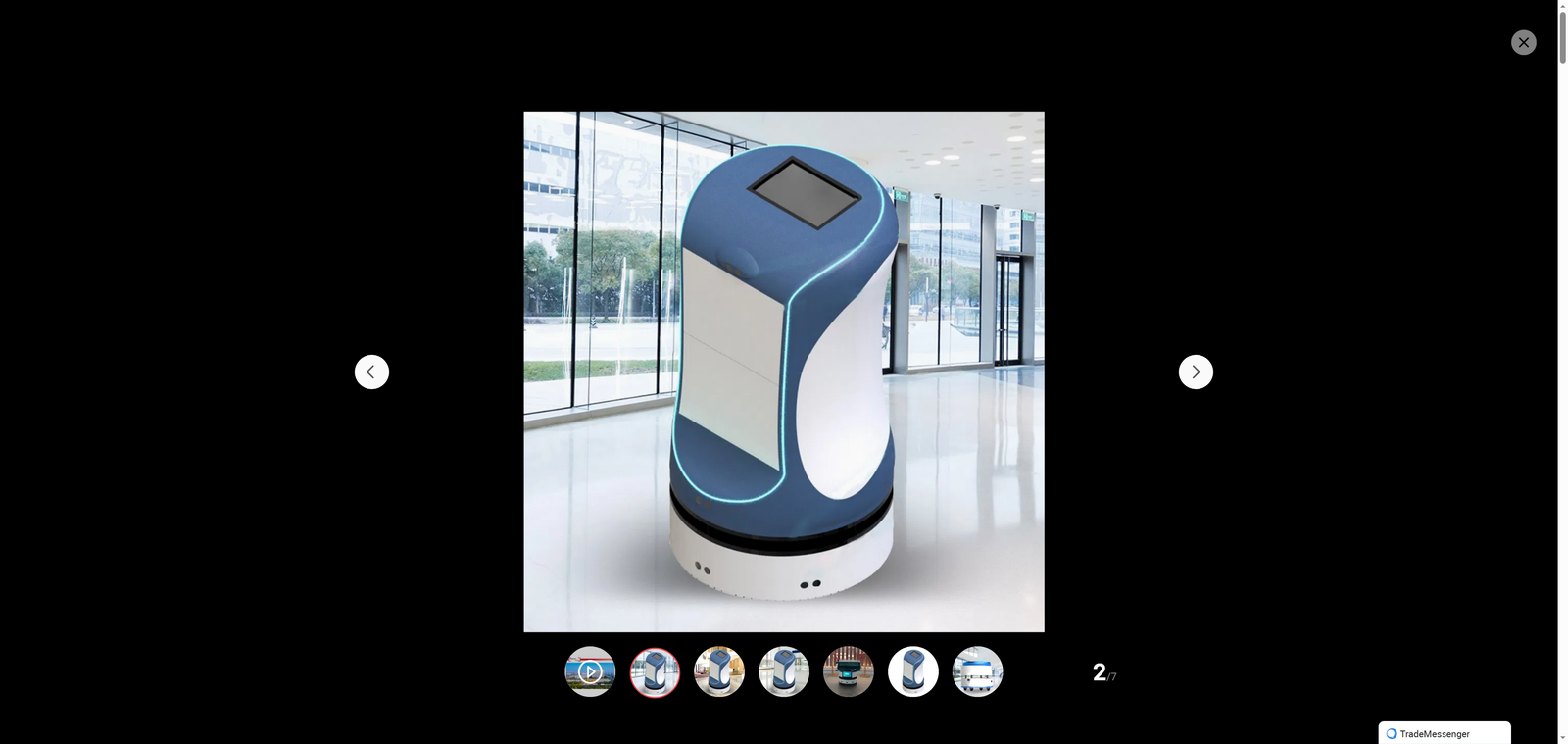
In the era of intelligent transformation, the hotel industry is undergoing a profound revolution driven by technology. Among the various innovative solutions, high-tech delivery robots equipped with automatic recharge and advanced navigation functions have emerged as game-changers, reshaping the way hotels deliver services, optimize operations, and enhance guest experiences. These intelligent robots are no longer just novel gadgets; they have become indispensable members of hotel teams, bridging the gap between efficiency, convenience, and personalized service.
The core competitiveness of hotel delivery robots lies in their two key technologies: automatic recharge and precise navigation. These two functions work in synergy to ensure the robots operate stably, continuously, and intelligently, solving the long-standing pain points of manual delivery—low efficiency, high labor costs, and potential human errors.
Advanced navigation technology is the "eyes" and "brain" of hotel delivery robots, enabling them to move freely and accurately in complex hotel environments. Unlike the simple path-finding in open spaces, hotels feature narrow corridors, frequent guest flows, elevators, and dynamic obstacles (such as luggage carts, cleaning tools, and wandering guests), which pose severe challenges to robot navigation. Currently, mainstream hotel delivery robots adopt a multi-sensor fusion navigation scheme, integrating laser radar, visual cameras, ultrasonic sensors, and inertial measurement units. Laser radar provides high-precision distance measurement to build a real-time map of the hotel; visual cameras recognize signs, elevator buttons, and pedestrian movements; ultrasonic sensors detect close-range obstacles to avoid collisions; and inertial measurement units ensure stable movement even when other sensors are temporarily blocked.
With this integrated navigation system, the robot can achieve multiple intelligent functions: first, autonomous map construction and updating. When the robot is put into use, it can automatically scan and map the entire hotel floor by floor, and update the map in real time according to changes in the environment (such as moved furniture). Second, precise point-to-point delivery. Guests or hotel staff only need to input the target room number or location on the robot’s touch screen or through the hotel app, and the robot can plan the optimal path immediately, avoiding obstacles and taking elevators autonomously. It can even remember frequently visited routes to improve movement efficiency. Third, adaptive movement in dynamic environments. When encountering guests, the robot will slow down, stop, or detour in advance, and send a friendly voice prompt such as "Excuse me, please make way" to ensure a smooth and non-intrusive service process. This level of navigation precision not only ensures the timely delivery of items but also enhances the safety and comfort of guests during their stay.
Automatic recharge technology is the "endurance guarantee" for hotel delivery robots, allowing them to operate 24 hours a day without manual intervention. For hotels that provide round-the-clock services, the continuity of robot operation is crucial—interruptions due to low battery will affect service efficiency and guest satisfaction. Hotel delivery robots equipped with automatic recharge functions can monitor their battery level in real time. When the power is lower than a preset threshold (usually 20%-30%), the robot will automatically suspend its current tasks (after safely placing the delivered items or notifying the staff), plan a path to the nearest charging station, and complete the docking and charging process independently.
The automatic recharge process is highly intelligent and efficient. The charging station is usually installed in a hidden and easily accessible corner of the hotel (such as the service desk area or the back-of-house corridor), and is equipped with infrared positioning or wireless induction modules. The robot can accurately identify the charging station’s position through its sensors, align the charging interface with a margin of error of less than 1 cm, and start charging automatically. During the charging process, the robot will enter a low-power standby mode, and send a notification to the hotel management system to update its status. Once fully charged (usually within 1-2 hours), the robot will automatically resume its pending tasks or return to the standby area to wait for new orders. This fully automated recharge mechanism not only saves the labor cost of manually charging and moving robots but also maximizes the robot’s operating time, ensuring that it can respond to service needs at any time—whether it is delivering room service meals at midnight, sending extra towels to guests in the early morning, or transporting documents between the front desk and the back office during peak hours.
Beyond their core functions, hotel delivery robots bring a series of comprehensive benefits to the hotel industry. From the operational perspective, they significantly reduce labor costs. Traditional hotel delivery work (such as room service, laundry delivery, and document transmission) requires a large number of service staff, especially during peak seasons when labor shortages are common. By deploying delivery robots, hotels can transfer human resources to more high-value services, such as guest reception, personalized consulting, and experience services, improving the overall service quality. At the same time, robots can avoid human errors such as delivering items to the wrong room or delaying delivery due to busy work, reducing service complaints.
From the guest experience perspective, delivery robots add a sense of technology and novelty to the stay. For modern guests, especially young people and business travelers who are familiar with intelligent technology, interacting with robots has become a new highlight of their hotel experience. The robot’s friendly appearance, voice interaction, and efficient service can leave a deep impression on guests, enhancing the hotel’s brand image and competitiveness. Moreover, robots can provide "contactless" delivery services, which is particularly important in the post-pandemic era. By reducing direct contact between guests and staff, robots help prevent the spread of germs, ensuring the health and safety of both guests and staff.
Looking to the future, hotel delivery robots with automatic recharge and navigation functions will continue to evolve with the advancement of technology. On the one hand, navigation technology will become more intelligent—with the integration of artificial intelligence and big data, robots will be able to learn guest movement habits, predict potential obstacles, and optimize path planning more proactively. On the other hand, automatic recharge technology will be more efficient, with faster charging speeds and longer battery life, further improving the robot’s operational efficiency. In addition, robots will be integrated with more functions, such as intelligent recognition of guest needs, automatic return of used items, and real-time reporting of hotel environmental conditions, becoming a comprehensive intelligent service terminal.
In conclusion, high-tech delivery robots equipped with automatic recharge and navigation functions are not only a symbol of the hotel industry’s intelligent transformation but also a practical solution to improve service efficiency and guest satisfaction. They perfectly combine technology and service, redefining the operational mode and service experience of hotels. As technology continues to progress, these intelligent robots will play an increasingly important role in the hotel industry, helping hotels achieve higher efficiency, better service, and stronger competitiveness in the fierce market competition. The era of intelligent hotel services, led by delivery robots, has arrived.