
With the accelerating pace of intelligent transformation in the service industry, food delivery robots have become an indispensable part of modern restaurants and hotels. They not only reduce labor costs for merchants but also improve service efficiency and quality, bringing a new experience to customers. Among the core technologies driving the upgrading of food delivery robots, high load-bearing capacity, automatic charging, and advanced navigation systems stand out as the "three pillars," breaking through the traditional limitations of food delivery services and injecting strong momentum into the intelligent development of the catering and hospitality industries.
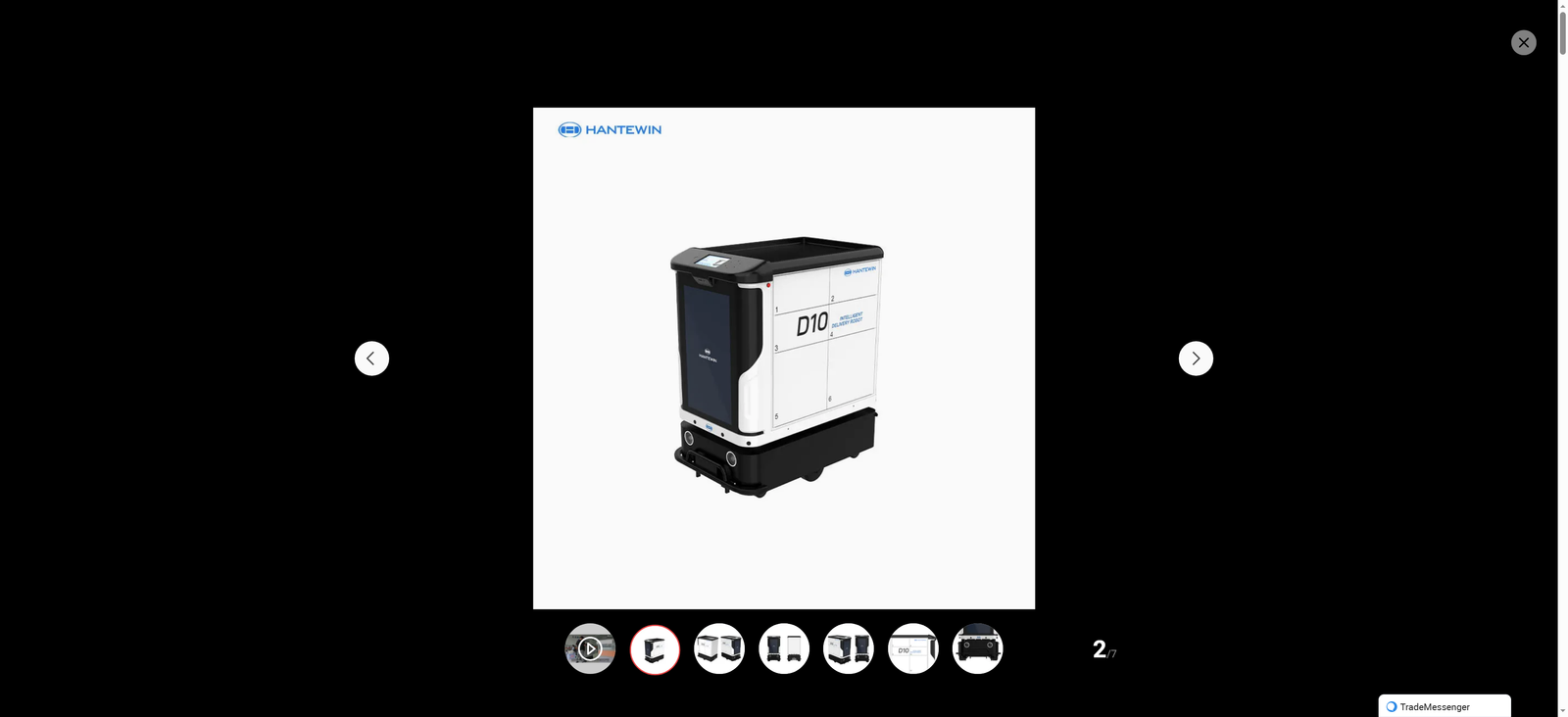
High load-bearing capacity is the basic guarantee for food delivery robots to meet the actual needs of restaurants and hotels. In busy catering scenarios such as large restaurants, buffets, or high-end hotels, a single meal delivery task often requires transporting multiple dishes, tableware, or even large-sized food packages. The traditional food delivery robots with limited load-bearing capacity can only complete small-batch delivery, which not only increases the number of delivery trips but also fails to keep up with the peak-hour dining demand. In contrast, high load-bearing food delivery robots, equipped with optimized body structures and high-strength materials, can easily carry dozens of kilograms of goods. For example, in a large hotel banquet hall, a high load-bearing food delivery robot can transport meals for 4-6 people at one time, reducing the frequency of back-and-forth transportation and greatly improving the efficiency of meal delivery. At the same time, the stable load-bearing design also ensures the safety of food and tableware during transportation, avoiding spills or damage caused by unstable load-bearing, which is crucial for maintaining the service quality of restaurants and hotels.
Automatic charging technology solves the "energy anxiety" of food delivery robots and ensures continuous and stable operation. In the service scenario of restaurants and hotels, food delivery robots need to work continuously for a long time, especially during peak dining hours. If manual charging is relied on, it will not only consume additional labor costs but also easily lead to robot downtime due to missed charging, affecting the normal progress of food delivery services. The auto-charging function realizes the intelligent management of robot energy. When the robot's power drops to a preset threshold, it will automatically plan a route to the charging station, complete the docking and charging process without manual intervention, and return to the working area to continue serving after being fully charged. This seamless energy supplement mode ensures that the robot can maintain a high attendance rate, effectively coping with the high-intensity work pressure during peak hours. In addition, the intelligent charging management system can also monitor the power status of multiple robots in real time, reasonably allocate charging resources, and further improve the overall operation efficiency of the robot team.
Advanced navigation system is the core support for food delivery robots to move freely in complex environments. Restaurants and hotels have complex internal layouts, with crowded dining areas, narrow corridors, and frequently moving pedestrians and staff, which put high demands on the navigation accuracy and obstacle avoidance capabilities of food delivery robots. The high-performance navigation system, integrated with technologies such as laser SLAM, visual recognition, and multi-sensor fusion, enables the robot to quickly build a map of the indoor environment, accurately locate its own position, and plan the optimal delivery route in real time. When encountering obstacles such as pedestrians or other objects, the robot can respond quickly, adjust the route in time, and avoid collisions, ensuring the smooth progress of the delivery task. For example, in a busy restaurant, the navigation system can help the robot bypass the bustling dining tables and moving waiters, accurately deliver meals to the designated table, and even automatically return to the kitchen after delivery. This intelligent navigation capability not only improves the efficiency of food delivery but also enhances the safety and reliability of robot operation, reducing the potential risks of collisions in complex environments.
The integration of high load-bearing, auto-charging, and advanced navigation technologies has brought a revolutionary change to the application of food delivery robots in restaurants and hotels. It not only makes the robot more adaptable to the complex and high-intensity service scenarios but also promotes the upgrading of the entire service process. For merchants, the application of such robots can significantly reduce labor costs, improve service efficiency and quality, and enhance the competitiveness of the business. For customers, the intelligent food delivery service brings a more convenient and novel dining experience, enhancing customer satisfaction. Looking to the future, with the continuous advancement of technology, the performance of food delivery robots in high load-bearing, auto-charging, and navigation will be further optimized. They will be more intelligent, flexible, and humanized, and will play a more important role in the intelligent transformation of the catering and hospitality industries, contributing to the development of a more efficient and high-quality service ecosystem.