
In the era of intelligence-driven service upgrading, the catering and hospitality industries are undergoing a profound transformation. The demand for efficient, accurate, and contactless services is growing rapidly, and smart food delivery robots have emerged as a key solution to meet these needs. For hotels and restaurants, integrating smart food delivery robots into daily operations is no longer a novelty, but a strategic choice to enhance core competitiveness. This article explores how smart food delivery robots build efficient service solutions for hotels and restaurants, reshaping the service landscape of the industry.
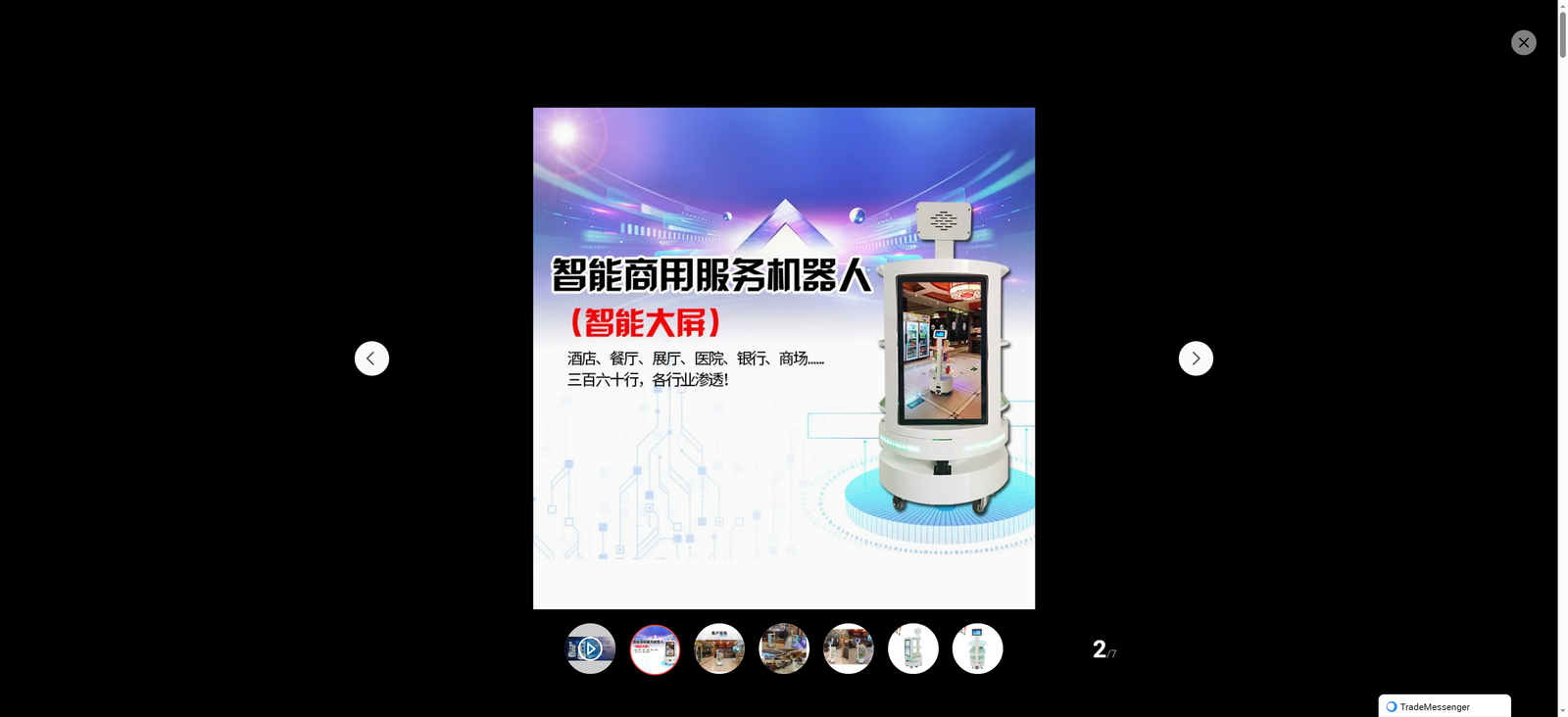
The pain points of traditional food delivery services in hotels and restaurants are increasingly prominent. In peak dining hours or during hotel check-in rushes, the shortage of service staff often leads to delayed food delivery, wrong orders, and poor customer experience. Meanwhile, the high turnover rate of front-line staff and rising labor costs have become a heavy burden for operators. In addition, in the post-pandemic era, customers' demand for contactless services has increased significantly, and traditional manual delivery, which involves frequent face-to-face contact, can no longer fully meet the safety and health needs of customers. Smart food delivery robots, with their unique advantages of high efficiency, stability, and contactlessness, precisely address these industry pain points.
Smart food delivery robots bring a multi-dimensional upgrade to hotel and restaurant services, starting with efficiency improvement. Equipped with advanced laser navigation, visual recognition, and obstacle avoidance technologies, these robots can accurately plan the optimal delivery route, freely shuttle through dining halls, corridors, and elevators, and complete food delivery tasks without manual guidance. Unlike human staff who may be fatigued or distracted, robots can maintain a stable working state for a long time, significantly reducing delivery time. For example, in a medium-sized hotel restaurant, a smart food delivery robot can complete a delivery task in 2-3 minutes, which is 30% faster than the average manual delivery. This not only improves the turnover rate of dining tables but also shortens the waiting time of customers, enhancing overall service efficiency.
Cost control is another important advantage of smart food delivery robots for hotel and restaurant operators. The high labor cost has always been a major pressure for the catering and hospitality industries. The one-time investment in smart food delivery robots can replace the labor of multiple service staff in the long run, reducing costs such as monthly salaries, social security, and training expenses. Moreover, the maintenance cost of smart robots is relatively low, and with the maturity of technology, the price of robots is gradually becoming more affordable, making it possible for small and medium-sized hotels and restaurants to adopt them. Taking a restaurant with 50 seats as an example, using 2 smart food delivery robots can replace 3-4 full-time delivery staff, saving more than 100,000 yuan in labor costs annually. This cost-saving effect allows operators to invest more resources in food quality improvement and environment optimization, forming a positive cycle of service upgrading.
In terms of improving customer experience, smart food delivery robots also play an irreplaceable role. The contactless delivery mode of robots minimizes direct contact between people, reducing the risk of cross-infection and meeting customers' requirements for health and safety. At the same time, the novel and intelligent interaction method of robots adds fun to the dining and accommodation experience. For example, when delivering food, the robot can actively greet customers with a friendly voice, remind them to take their meals, and even answer simple questions. This humanized interaction not only leaves a deep impression on customers but also enhances the brand image of hotels and restaurants. In addition, robots can accurately deliver food to the designated table or hotel room according to the order information, avoiding the mistake of delivering wrong meals caused by manual operation, which further improves customer satisfaction.
The application of smart food delivery robots in hotels and restaurants is also highly flexible and scalable. Different from fixed service equipment, smart food delivery robots can be customized and adjusted according to the specific needs of different scenarios. For hotels, robots can not only deliver meals to guest rooms but also undertake tasks such as delivering daily necessities (towels, toiletries) and documents. For restaurants, they can adapt to different dining formats such as buffets, banquets, and fast food, and complete tasks such as food delivery, dish retrieval, and tableware recycling. With the development of the Internet of Things and artificial intelligence technology, smart food delivery robots can also be connected to the hotel and restaurant management system, realizing information sharing and collaborative work with other equipment (such as cash registers, elevators, and intelligent ordering systems). For example, after a customer places an order through the intelligent ordering system, the order information is directly sent to the robot, and the robot automatically goes to the kitchen to pick up the meal and deliver it to the table, forming a fully automated service chain.
Of course, the popularization of smart food delivery robots in hotels and restaurants also faces some challenges, such as the high initial investment threshold for some small and micro businesses, and the need for further optimization of robot performance in complex environments (such as crowded dining halls and narrow corridors). However, with the continuous progress of technology and the gradual reduction of costs, these challenges will be gradually solved. In the future, with the integration of more advanced technologies such as 5G, big data, and cloud computing, smart food delivery robots will have more powerful functions, such as intelligent prediction of customer needs, personalized service recommendations, and real-time monitoring of food temperature and quality.
In conclusion, smart food delivery robots are bringing a revolutionary change to the service mode of hotels and restaurants. They not only improve service efficiency, reduce operating costs, and enhance customer experience but also promote the digital and intelligent transformation of the entire industry. For hotel and restaurant operators, seizing the opportunity of intelligent upgrading and actively adopting smart food delivery robot solutions is an important way to gain an advantage in the fierce market competition. With the continuous development of the intelligent service industry, smart food delivery robots will become an indispensable part of the hotel and restaurant service system, creating a more efficient, safe, and high-quality service experience for customers.