
In an era where efficiency, hygiene, and operational optimization are paramount, AI cleaning robots have emerged as game-changers in commercial and public spaces. Specifically designed to adapt to the unique demands of hotels, restaurants, hospitals, and offices, these intelligent devices are no longer mere novelties but essential tools that redefine cleanliness, cut costs, and enhance the overall user experience. From precise floor cleaning to disinfection and waste management, AI cleaning robots are transforming how businesses maintain hygiene standards, allowing human staff to focus on more value-added tasks.
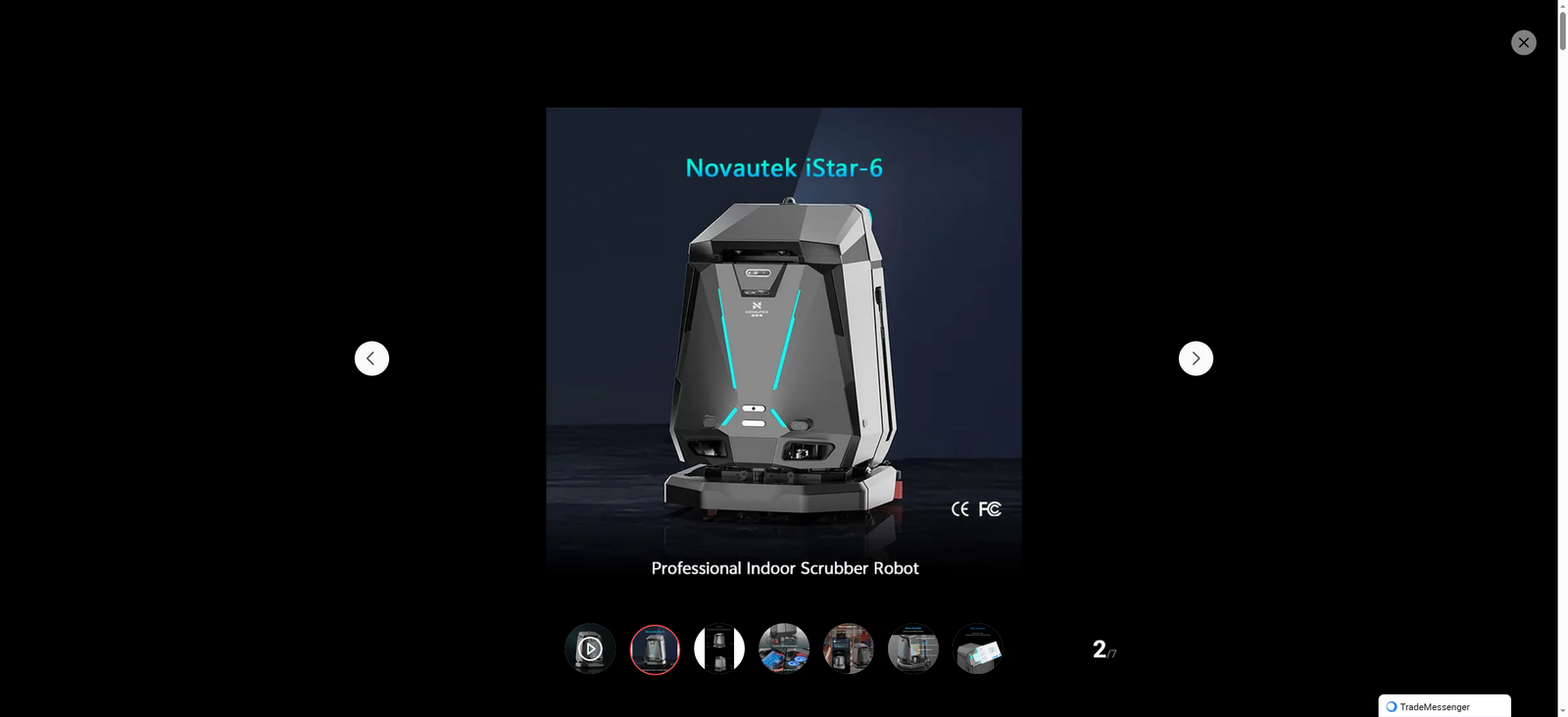
Hotels, as spaces that thrive on guest satisfaction, face constant pressure to maintain immaculate environments. AI cleaning robots address this challenge with unparalleled consistency and efficiency. Unlike human cleaners who may experience fatigue or overlook hard-to-reach areas, these robots leverage advanced sensors and AI algorithms to map hotel lobbies, corridors, and guest rooms with precision. They can navigate around furniture, carpets, and even unexpected obstacles—such as luggage or guest belongings—without disruption. For instance, some models are equipped with multi-surface cleaning capabilities, seamlessly switching between vacuuming carpets and mopping hard floors. Additionally, AI robots can operate during off-peak hours, such as late at night or early morning, ensuring that common areas are spotless when guests arrive. This not only improves the guest experience but also reduces the workload on housekeeping staff, allowing them to focus on personalized services that elevate the hotel’s reputation.
Restaurants, where food safety and hygiene are non-negotiable, benefit greatly from the precision and speed of AI cleaning robots. Kitchens and dining areas are prone to spills, food debris, and grease buildup, which can pose health risks if not cleaned promptly. AI cleaning robots designed for restaurants are equipped with specialized brushes and disinfectant systems that can tackle tough stains and kill harmful bacteria. They can navigate narrow kitchen aisles, clean under tables and chairs, and even sanitize surfaces—tasks that are time-consuming for human staff. Moreover, these robots can operate between meal services, ensuring that dining areas are cleaned and sanitized quickly, reducing wait times for guests and minimizing the risk of cross-contamination. For restaurant owners, this translates to improved compliance with health regulations, reduced labor costs, and a safer environment for both customers and staff.
Hospitals, perhaps the most critical environment for hygiene, require strict adherence to sterile standards to prevent the spread of infections. AI cleaning robots play a vital role in enhancing hospital hygiene protocols, particularly in high-risk areas such as operating rooms, intensive care units (ICUs), and patient wards. Unlike traditional cleaning methods, which may rely on human error, AI robots use ultraviolet (UV) light or electrostatic disinfection technology to eliminate 99.9% of pathogens, including viruses and bacteria. They can be programmed to follow specific cleaning routes and ensure that every surface—from floors to medical equipment—are thoroughly sanitized. Furthermore, these robots can operate continuously, reducing the time between cleaning cycles and minimizing the risk of healthcare-associated infections (HAIs). For healthcare staff, this means less exposure to harmful chemicals and pathogens, allowing them to focus on patient care—a critical advantage in busy hospital settings.
Offices, which have evolved significantly in the post-pandemic era, demand cleaner and healthier work environments to boost employee productivity and well-being. AI cleaning robots are well-suited to the dynamic nature of office spaces, which often have open floor plans, cubicles, and shared areas such as meeting rooms and break rooms. These robots can be scheduled to clean during non-working hours, avoiding disruptions to employees. They can also adapt to changing office layouts, using AI to update their navigation maps in real-time. Additionally, some advanced models come with air purification features, improving indoor air quality by removing dust, allergens, and pollutants. For employers, investing in AI cleaning robots not only improves the workplace environment but also reduces operational costs. By automating routine cleaning tasks, businesses can cut down on labor expenses and ensure consistent cleaning standards across the office.
Beyond their immediate benefits, AI cleaning robots are also driving sustainability in commercial and public spaces. Many models are designed to be energy-efficient, using rechargeable batteries and optimizing their cleaning routes to minimize energy consumption. They also reduce the use of harsh chemicals by using eco-friendly disinfectants and targeted cleaning methods, which is better for the environment and human health. As AI technology continues to advance, these robots are becoming more intelligent, with features such as predictive maintenance, which allows businesses to identify potential issues before they occur, and data analytics, which provides insights into cleaning performance and areas that need improvement.
In conclusion, AI cleaning robots are transforming hygiene management across hotels, restaurants, hospitals, and offices. Their ability to deliver consistent, efficient, and precise cleaning, combined with their potential to reduce costs and enhance safety, makes them an indispensable tool in today’s fast-paced business environment. As technology continues to evolve, these robots will become even more versatile, adapting to the unique needs of each industry and setting new standards for cleanliness and efficiency. For businesses looking to stay competitive and prioritize the health and satisfaction of their customers, employees, and patients, investing in AI cleaning robots is not just a trend—it’s a strategic decision that yields long-term benefits.