
In the era of rapid technological advancement, the hotel industry is constantly embracing innovation to enhance guest satisfaction. Among the various technological upgrades, hotel food delivery robots have emerged as a game-changer, redefining the way services are delivered. These intelligent robots are not just a novelty; they have become an integral part of modern hotel operations, offering efficient, convenient, and contactless service that meets the evolving needs of guests.
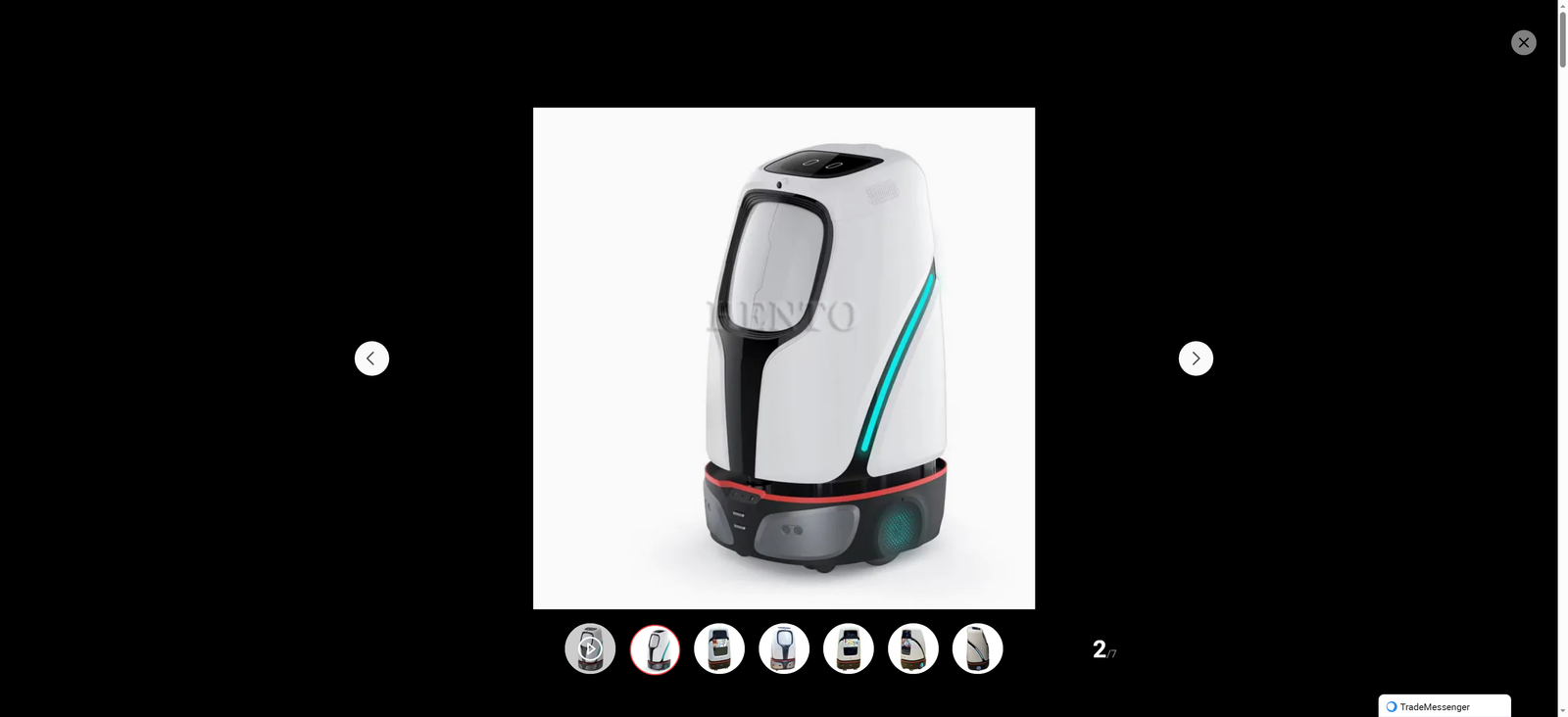
One of the most prominent advantages of hotel food delivery robots is their exceptional efficiency. Unlike human staff who may be occupied with multiple tasks, these robots can operate continuously without fatigue. Once a food delivery order is received through the hotel’s system, the robot is promptly dispatched to the kitchen to pick up the items. Equipped with advanced navigation technology, they can easily navigate through hotel corridors, avoid obstacles such as guests and furniture, and accurately reach the designated guest room. This seamless process significantly reduces delivery time, ensuring that guests can enjoy their meals while they are still hot. For hotels, this efficiency also translates into cost savings, as it reduces the need for additional staff to handle food delivery tasks, allowing human employees to focus on more personalized services that require emotional interaction.
Contactless service has become a key demand in the post-pandemic world, and hotel food delivery robots perfectly cater to this need. By eliminating direct contact between guests and staff during food delivery, these robots minimize the risk of virus transmission, providing guests with a safer and more reassuring stay experience. Moreover, the contactless model also aligns with the preferences of many young guests who value privacy and independence. Guests can simply place their orders via the hotel app, and the robot will send a notification upon arrival at the door. They can then collect their food by scanning a code or using a password, without the need for face-to-face communication.
Beyond efficiency and safety, hotel food delivery robots also enhance the overall guest experience through their intelligent and user-friendly design. Many of these robots are equipped with interactive features, such as voice prompts and touch screens, making the delivery process intuitive and convenient for guests of all ages. Some high-end models even have the ability to recognize guest faces and remember their preferences, enabling personalized service such as recommending favorite dishes. Additionally, the cute and innovative appearance of the robots often becomes a highlight of the guest stay, sparking interest and encouraging guests to share their experiences on social media, which in turn helps the hotel gain more exposure and attract potential customers.
The integration of food delivery robots also reflects the hotel industry’s commitment to digital transformation and sustainable development. By optimizing service processes and reducing labor costs, hotels can allocate resources more effectively, improving operational efficiency and competitiveness. Furthermore, most food delivery robots are powered by electricity, which is more environmentally friendly compared to traditional delivery methods that may rely on fossil fuels. This aligns with the global trend of green travel and sustainable tourism, helping hotels build a positive brand image.
Of course, hotel food delivery robots are not meant to replace human staff. Instead, they complement human services by taking over repetitive and tedious tasks, allowing hotel employees to focus on providing more warm and personalized services, such as greeting guests, assisting with travel arrangements, and addressing special needs. The combination of intelligent technology and human touch creates a balanced service model that maximizes guest satisfaction.
Looking ahead, as artificial intelligence and robotics technology continue to advance, hotel food delivery robots will become even more intelligent and versatile. They may be able to handle more complex tasks, such as delivering not only food but also other items like towels, toiletries, and packages. They may also integrate with other hotel systems, such as room service, housekeeping, and front desk, to form a fully intelligent service ecosystem. In this context, hotels that actively adopt and upgrade these technologies will be better positioned to meet the changing needs of guests and stay ahead in the highly competitive hospitality industry.
In conclusion, hotel food delivery robots have brought a new dimension to hotel services, offering efficiency, safety, and innovation. They are not just a technological trend but a practical solution that enhances the guest experience, improves operational efficiency, and drives the digital transformation of the hotel industry. As technology continues to evolve, these intelligent robots will undoubtedly play an increasingly important role in shaping the future of hospitality, creating a more convenient, safe, and enjoyable stay for guests around the world.