
The New Era of Service Robots: Transforming Life and Work Scenarios
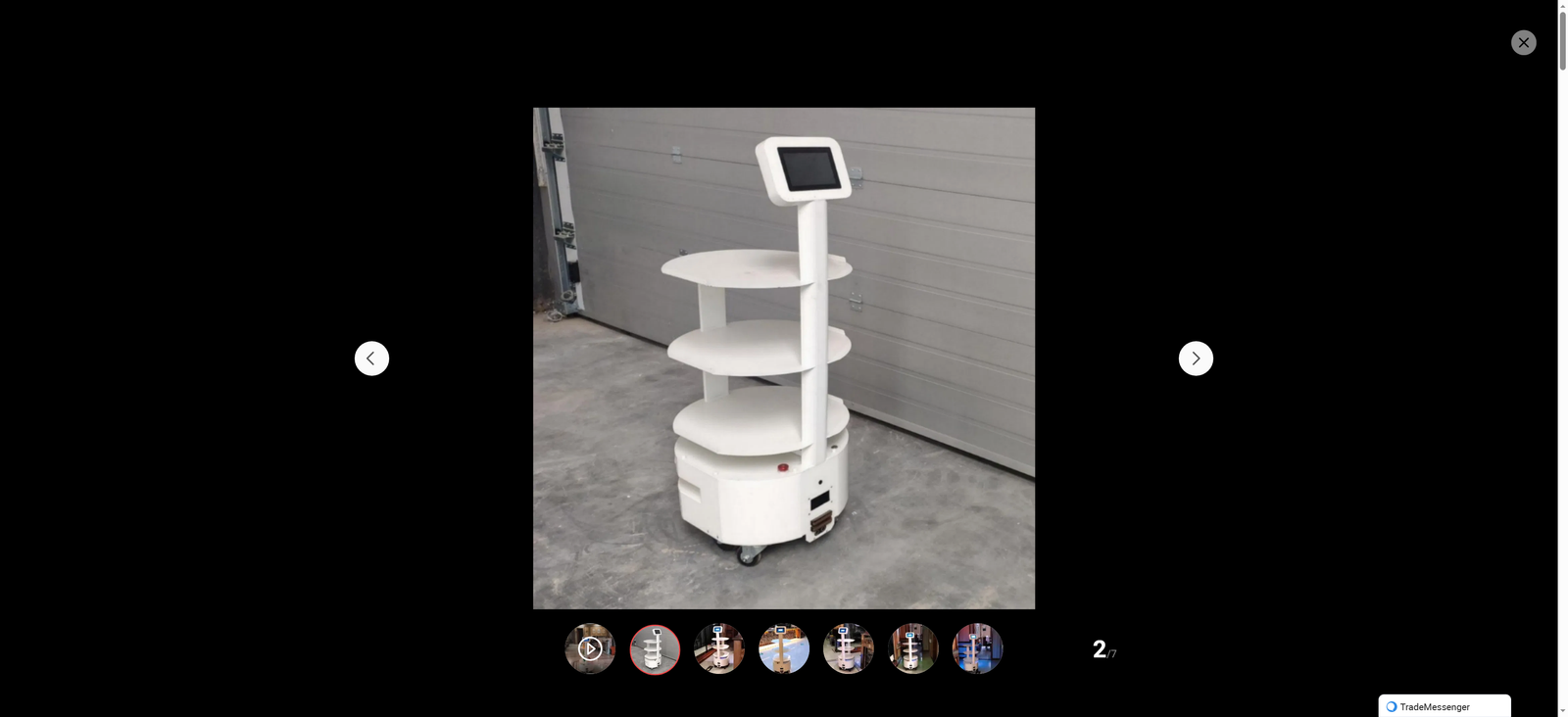
With the rapid advancement of artificial intelligence, robotics, and sensor technology, service robots have gradually stepped out of laboratories and integrated into various corners of society. Among them, elderly care companion robots, airport information robots, and lobby receptionist robots have become typical representatives, reshaping service models and improving quality of life with their unique functions. These robots are no longer cold mechanical devices but reliable assistants that bridge needs and services, injecting new vitality into aging societies, busy transportation hubs, and modern office spaces.
Elderly Care Companion Robots: Guardians of Dignity and Warmth in Old Age
As global aging accelerates, the demand for elderly care services continues to surge, and elderly care companion robots have emerged as a key solution to alleviate the shortage of care resources. Unlike traditional care equipment, these robots focus not only on physical health monitoring but also on emotional companionship, creating a safer, more comfortable, and more dignified life for the elderly.
In terms of health management, elderly care companion robots are equipped with advanced sensors that can continuously monitor vital signs such as heart rate, blood pressure, blood glucose, and sleep quality. Once abnormal data is detected, the robot will immediately send alerts to family members and medical staff through mobile apps, enabling early intervention and reducing the risk of sudden illnesses. Some high-end models also support medication reminders, automatically reminding the elderly to take medicine on time according to preset schedules, and even assisting with pill distribution to avoid missed or wrong doses. For the elderly with limited mobility, these robots can provide auxiliary services such as helping with getting up, moving around, and fetching daily necessities, reducing their reliance on caregivers.
Emotional companionship is another core advantage of elderly care companion robots. Many elderly people, especially those living alone, often suffer from loneliness and depression. These robots are designed with natural language processing technology, enabling them to engage in daily conversations, tell stories, sing old songs, and even play chess or poker with the elderly. They can remember the elderly’s living habits, preferences, and past experiences, building a sense of familiarity and trust. Some robots are also equipped with video call functions, allowing the elderly to easily connect with their children and grandchildren, narrowing the distance between family members. By combining technology with warmth, elderly care companion robots are changing the way elderly care is provided, making old age more fulfilling and secure.
Airport Information Robots: Efficient Navigators in Busy Hubs
Airports are important transportation hubs with large passenger flows, complex processes, and diverse service needs. Airport information robots have become an indispensable part of smart airports, effectively solving problems such as long queues for inquiries, inefficient information transmission, and uneven service quality.
These robots are equipped with high-precision positioning systems and intelligent navigation functions, enabling them to guide passengers to their destinations accurately. Passengers only need to input their flight numbers, gate numbers, or service needs (such as check-in counters, restrooms, or duty-free shops) through voice or touch screens, and the robot will plan the optimal route and lead the way, avoiding the trouble of getting lost in large airports. For passengers with luggage, some robots also have luggage-carrying functions, reducing their physical burden.
In addition to navigation, airport information robots can provide comprehensive flight information services. They can query real-time flight statuses (such as takeoff and landing times, delays, and gate changes) and push the latest information to passengers in a timely manner. For international passengers, multi-language translation functions are a key feature—robots can support dozens of languages, breaking down language barriers and facilitating communication between passengers and airport staff. Some robots also offer additional services such as ticket modification inquiries, baggage allowance explanations, and customs clearance guidelines, further improving the passenger experience. By undertaking a large number of repetitive inquiry and guidance tasks, airport information robots free up human resources, allowing staff to focus on more complex services, such as handling special passenger needs and emergency situations, thereby improving the overall operational efficiency of airports.
Lobby Receptionist Robots: The First Impression of Intelligent Services
Lobbies of office buildings, hotels, shopping malls, and government service centers are the first stop for visitors, and lobby receptionist robots are redefining the first impression of these spaces with their professional and efficient services. These robots integrate reception, consultation, guidance, and registration functions, becoming a new symbol of intelligent management.
In office buildings and government service centers, lobby receptionist robots can complete visitor registration and verification quickly. Visitors can scan QR codes, swipe ID cards, or enter information through the robot’s touch screen, and the robot will automatically notify the corresponding staff and print visitor passes. This not only saves the time of visitors and staff but also enhances the security management of the venue by recording visitor information in real time. For consultation services, the robots can answer common questions, such as office hours, department locations, service procedures, and parking information, with accurate and consistent responses, avoiding the inconsistency caused by human factors.
In hotels and shopping malls, lobby receptionist robots are more focused on improving the customer experience. Hotel robots can guide guests to the front desk, elevators, or rooms, and even carry small luggage for guests. Some high-end hotel robots can also provide concierge services, such as recommending nearby scenic spots, restaurants, and transportation methods. In shopping malls, robots can guide customers to specific stores, introduce promotional activities, and provide shopping advice based on customer preferences. With their cute appearances and friendly interactions, these robots also become a highlight of the venue, attracting customers to take photos and share, thereby enhancing the brand influence of the venue.
The Future of Service Robots: Integration and Upgrade
Elderly care companion robots, airport information robots, and lobby receptionist robots are just the tip of the iceberg in the service robot industry. With the continuous innovation of technology, these robots will become more intelligent, humanized, and versatile. In the future, elderly care robots may cooperate with smart medical systems to realize remote diagnosis and treatment; airport robots may integrate with autonomous driving technology to provide door-to-door transfer services; lobby robots may have more advanced emotional recognition capabilities, adjusting their service methods according to the mood of visitors.
However, the popularization of service robots also faces some challenges, such as high costs, technical bottlenecks in complex scenarios, and ethical and privacy issues. To overcome these challenges, it requires joint efforts from governments, enterprises, and research institutions—strengthening technological research and development, improving industry standards, and enhancing public acceptance. Ultimately, service robots will not replace human services but complement them, creating a more efficient, warm, and intelligent society for us.