
The New Era of Catering Service: Unleashing the Value of Self-Driving Food Serving Intelligent Robots in Hotels and Restaurants
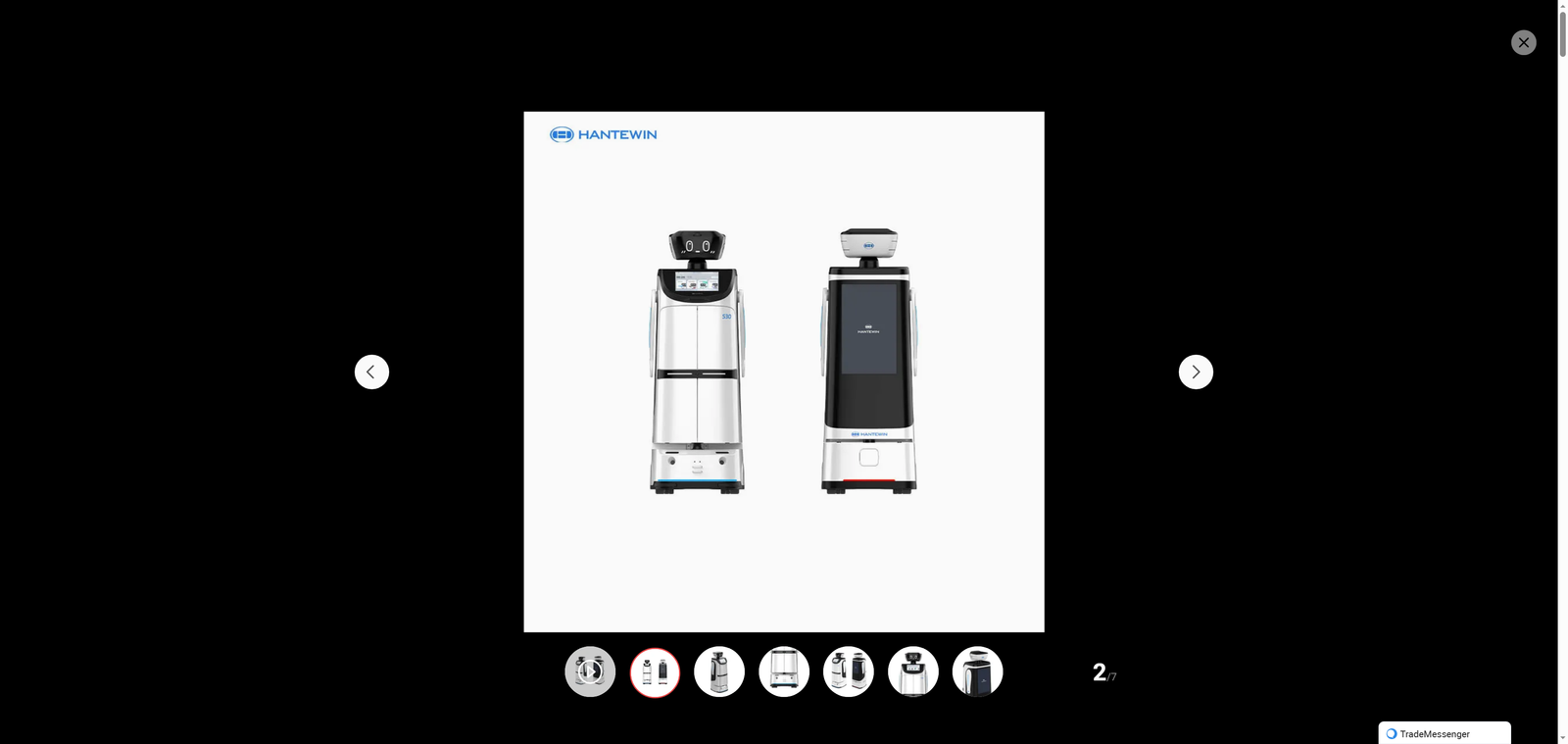
With the rapid development of artificial intelligence, Internet of Things and autonomous driving technology, the catering and hotel industries, which are closely related to people's daily life, are undergoing a profound digital transformation. Among them, the Automatic Working Hotel Restaurant Self Driving Food Serving Intelligent Waiter Robot (hereinafter referred to as "intelligent food-serving robot") has gradually stepped out of the technical laboratory and walked into the public view, becoming a new "employee" in hotels and restaurants. It is not only a vivid manifestation of technological progress, but also a powerful driving force for optimizing service efficiency, improving customer experience and promoting industrial upgrading.
The intelligent food-serving robot integrates multiple cutting-edge technologies, and its core competitiveness lies in its efficient and stable automatic working capacity. Different from the traditional manual service mode, this kind of robot is equipped with advanced environmental perception sensors, high-precision positioning modules and intelligent path planning algorithms. It can independently complete a series of service processes such as receiving orders, picking up dishes, delivering meals and returning to the station in the complex and dynamic environment of hotels and restaurants. Whether it is the crowded dining area during peak hours, the narrow corridor between tables, or the sudden movement of guests and staff, the robot can quickly identify obstacles, adjust the moving path in real time, and ensure that the food is delivered to the designated table accurately and safely without manual intervention. This kind of automatic working mode not only greatly reduces the labor intensity of waiters, but also avoids the service delays and errors caused by human factors such as fatigue and negligence, effectively improving the overall service efficiency of hotels and restaurants.
For hotels and restaurants, the introduction of intelligent food-serving robots is an important measure to control operating costs and enhance core competitiveness. In recent years, the problem of labor shortage and rising labor costs has become a common pain point in the catering and hotel industries. A large number of waiters are needed to meet the service needs, which brings a heavy burden to the operating costs of merchants. The intelligent food-serving robot has the characteristics of long working hours, low maintenance cost and stable service quality. It can work continuously for 24 hours without rest, and only needs regular charging and simple maintenance. Compared with hiring manual waiters, the one-time investment in robots can bring long-term cost-saving effects. At the same time, the robot can also undertake a large number of repetitive and mechanical work such as food delivery and water refilling, allowing human waiters to focus on more high-value services such as customer consultation, emotional communication and personalized service. This human-machine collaboration mode not only optimizes the allocation of human resources, but also improves the professional level and service quality of the service team, helping hotels and restaurants establish a better brand image.
From the perspective of customers, the intelligent food-serving robot brings a novel and high-quality dining experience, which has become a new highlight of hotel and restaurant services. For modern consumers, dining is no longer just to meet the needs of diet, but also to pursue a diversified and personalized experience. When the intelligent robot shuttles between the dining tables with a steady pace, accurately delivers the food to the front of the guests, and even interacts with the guests through voice prompts and simple actions, it not only brings a strong sense of technology and freshness to the guests, but also adds fun to the dining process. Especially for young consumers, families with children and foreign guests, the intelligent robot has a strong attraction, which has become an important reason for them to choose a hotel or restaurant. In addition, the robot's service process is standardized and hygienic. It avoids direct contact between human hands and food during the food delivery process, reducing the risk of food contamination and effectively ensuring food safety and hygiene, which is more in line with the health needs of consumers in the new era.
Of course, the popularization and application of intelligent food-serving robots in hotels and restaurants is not without challenges. On the one hand, the initial investment cost of robots is relatively high, which may bring certain financial pressure to small and medium-sized hotels and restaurants, limiting the promotion speed of this technology. On the other hand, in some scenarios that require high emotional communication and personalized service, the robot's performance is still difficult to compare with human waiters. For example, when guests have special needs for dishes, or need emotional comfort and help, human waiters can better understand and meet the needs through flexible communication and emotional perception. In addition, the maintenance and after-sales service of robots also need professional technical support, which puts forward new requirements for the operation and management of hotels and restaurants.
However, with the continuous progress of technology and the continuous decline of production costs, these challenges will be gradually solved. In the future, intelligent food-serving robots will not only be limited to the function of food delivery, but will also realize more intelligent upgrades through the integration with technologies such as big data and cloud computing. For example, they can accurately remember the dining preferences of regular customers, take the initiative to recommend suitable dishes; they can connect with the hotel's room reservation system and catering order system to realize the integration of room service and dining service; they can even complete more complex tasks such as table setting and dish collection through the upgrade of mechanical arms. At the same time, the human-machine collaboration mode will be more optimized. Robots will become a powerful assistant for human waiters, forming a complementary service system, which will jointly promote the high-quality development of the hotel and catering industries.
In conclusion, the Automatic Working Hotel Restaurant Self Driving Food Serving Intelligent Waiter Robot is a product of the deep integration of technology and the service industry. It is changing the traditional service mode of hotels and restaurants with its efficient, stable and intelligent characteristics, bringing new development opportunities for the industry. Although there are still some challenges in its popularization and application, with the continuous advancement of technology and the continuous updating of market demand, the intelligent food-serving robot will surely play a more important role in the hotel and catering industries, creating a more efficient, high-quality and intelligent service experience for merchants and consumers, and opening a new era of intelligent service in the catering and hotel industries.