
Hi-Tech Smart Intelligent Items Delivery Transporter Robot: Revolutionizing Service Efficiency in Hospitals and Hotels
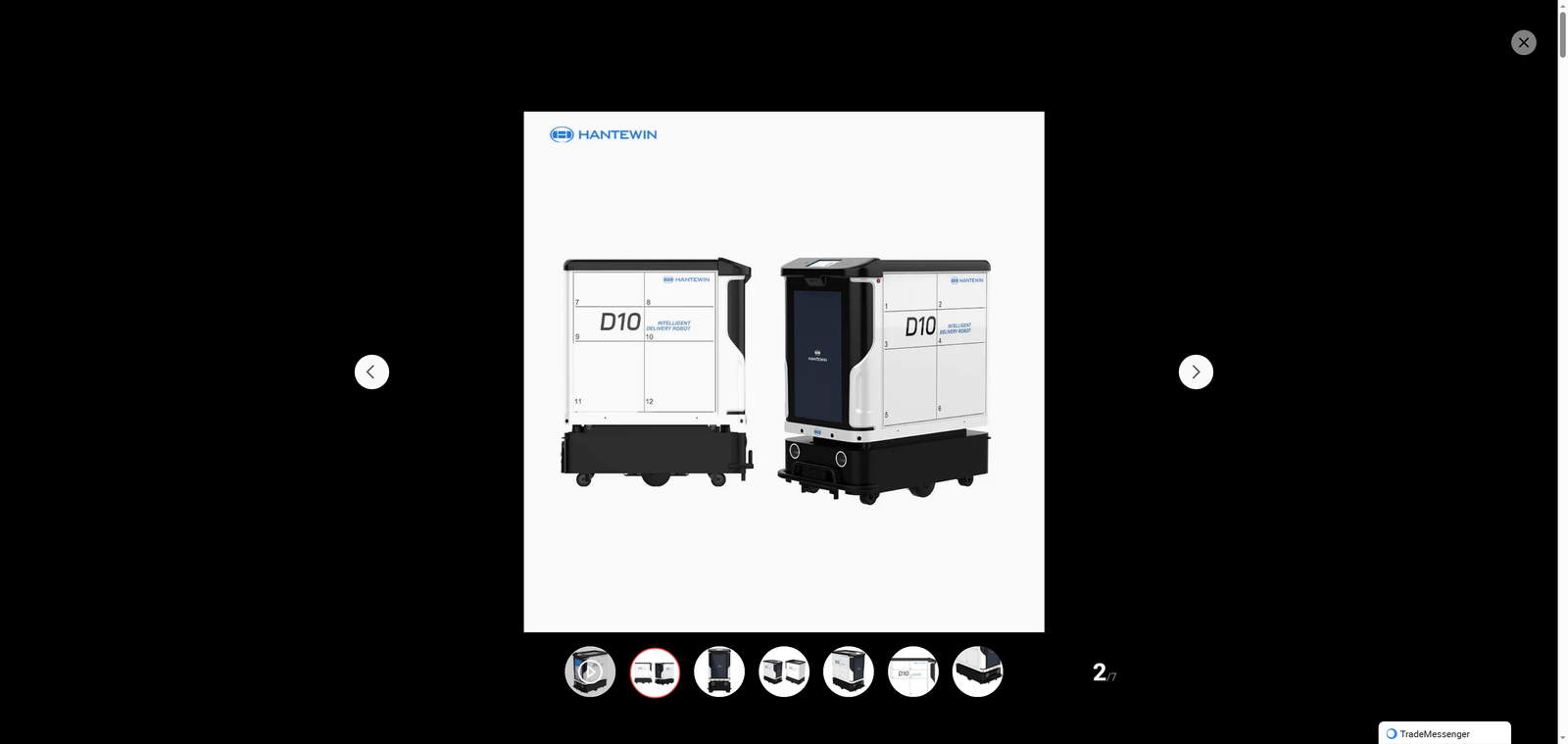
In the era of rapid technological advancement, smart devices have gradually penetrated every corner of daily life and professional services, redefining the way industries operate. Among them, the hi-tech smart intelligent items delivery transporter robot stands out as a game-changer, especially in high-demand service sectors like hospitals and hotels. Designed to automate the delivery of items, this cutting-edge robot integrates advanced technologies to enhance efficiency, ensure accuracy, and optimize service quality—addressing long-standing pain points in traditional manual delivery and ushering in a new era of intelligent service.
Hospitals and hotels share unique demands for item delivery: timeliness, accuracy, hygiene, and 24/7 availability. In hospitals, the delivery of medicines, test samples, medical supplies, and even meals to patients and departments is a critical link that directly affects diagnosis and treatment efficiency. In hotels, the delivery of luggage, room service, toiletries, and packages to guests requires speed and professionalism to maintain customer satisfaction. Traditional manual delivery, however, is often plagued by inefficiencies, human errors, fatigue, and limited availability—problems that the smart delivery robot is engineered to solve.
The core strength of the hi-tech smart intelligent items delivery transporter robot lies in its integration of multiple advanced technologies, making it far more than a simple "automated cart." Equipped with high-precision navigation and positioning systems—such as laser radar, visual sensors, and GPS—the robot can seamlessly navigate complex environments, including crowded corridors, elevators, and narrow passages. It can automatically avoid obstacles, adjust routes in real-time, and accurately reach designated locations with an error margin of less than 5 centimeters. This level of precision is particularly crucial in hospitals, where the delivery of test samples or emergency medicines cannot tolerate delays or wrong destinations.
Intelligence is another key feature that sets this robot apart. Powered by AI algorithms and machine learning, the robot can learn from its operating environment and user habits over time. For example, it can memorize peak delivery times in hospitals (e.g., morning medicine rounds) or hotels (e.g., dinner service hours) and adjust its scheduling to prioritize urgent tasks. It can also interact with users through voice prompts, touch screens, or mobile apps—allowing medical staff to send delivery requests remotely or hotel guests to track the status of their deliveries in real-time. In hospitals, the robot can even integrate with the hospital’s information management system (HIS) to automatically receive delivery orders, update inventory, and record delivery logs, reducing the administrative burden on medical staff.
Hygiene and safety are paramount in both hospital and hotel settings, and the smart delivery robot is designed with these requirements in mind. The robot’s body is made of medical-grade, anti-bacterial materials that are easy to clean and disinfect, preventing the spread of germs—especially critical in hospitals where infection control is a top priority. It is also equipped with safety features such as anti-collision sensors, emergency stop buttons, and weight limits to ensure the safety of people and items during operation. For fragile items like glass medicine bottles or delicate test samples, the robot’s interior is equipped with shock-absorbing compartments to prevent damage during transportation.
The application of this smart delivery robot brings tangible benefits to both hospitals and hotels. In hospitals, it significantly reduces the workload of nurses and logistics staff, who can then focus on more critical tasks such as patient care instead of spending hours on delivery runs. A study conducted in a tertiary hospital showed that the use of smart delivery robots reduced manual delivery time by 60% and error rates by 90%, while improving the satisfaction of medical staff by 75%. For patients, this means faster delivery of medicines and meals, enhancing their overall medical experience. In hotels, the robot improves service response time—delivering items to guests in an average of 3-5 minutes, compared to 10-15 minutes with manual delivery. This not only boosts guest satisfaction but also allows hotel staff to focus on personalized services, strengthening the hotel’s competitive edge.
Beyond immediate efficiency gains, the hi-tech smart intelligent items delivery transporter robot also paves the way for long-term digital transformation in the service industry. By collecting and analyzing delivery data—such as peak hours, high-demand items, and busy routes—hospitals and hotels can optimize their resource allocation and service processes. For example, a hotel can adjust its housekeeping schedule based on the robot’s data on guest requests for toiletries, while a hospital can optimize the storage and distribution of medicines to reduce waste. Additionally, the robot’s 24/7 operation ensures that services are not interrupted, even during off-peak hours or staff shortages—a significant advantage in times of high demand, such as flu seasons in hospitals or holiday peaks in hotels.
As technology continues to evolve, the smart delivery robot is expected to become even more versatile and intelligent. Future iterations may include features such as autonomous elevator calling, contactless delivery (via facial recognition or mobile app unlocking), and integration with drones for long-distance deliveries. In hospitals, robots may even be equipped to handle more specialized tasks, such as the delivery of radioactive materials or the transportation of medical equipment. In hotels, they could extend their services to include guided tours for guests or the delivery of laundry.
In conclusion, the hi-tech smart intelligent items delivery transporter robot is a transformative innovation that is reshaping the service landscape of hospitals and hotels. By combining precision navigation, AI intelligence, hygiene safety, and 24/7 operation, it addresses the core challenges of traditional delivery services, enhances efficiency, and improves user experience. As more hospitals and hotels embrace this technology, we can expect a future where intelligent delivery becomes the norm—freeing up human resources to focus on what matters most: care and connection.