
Ultraviolet Disinfection Robot: Revolutionizing Sterilization in Modern Hospitals
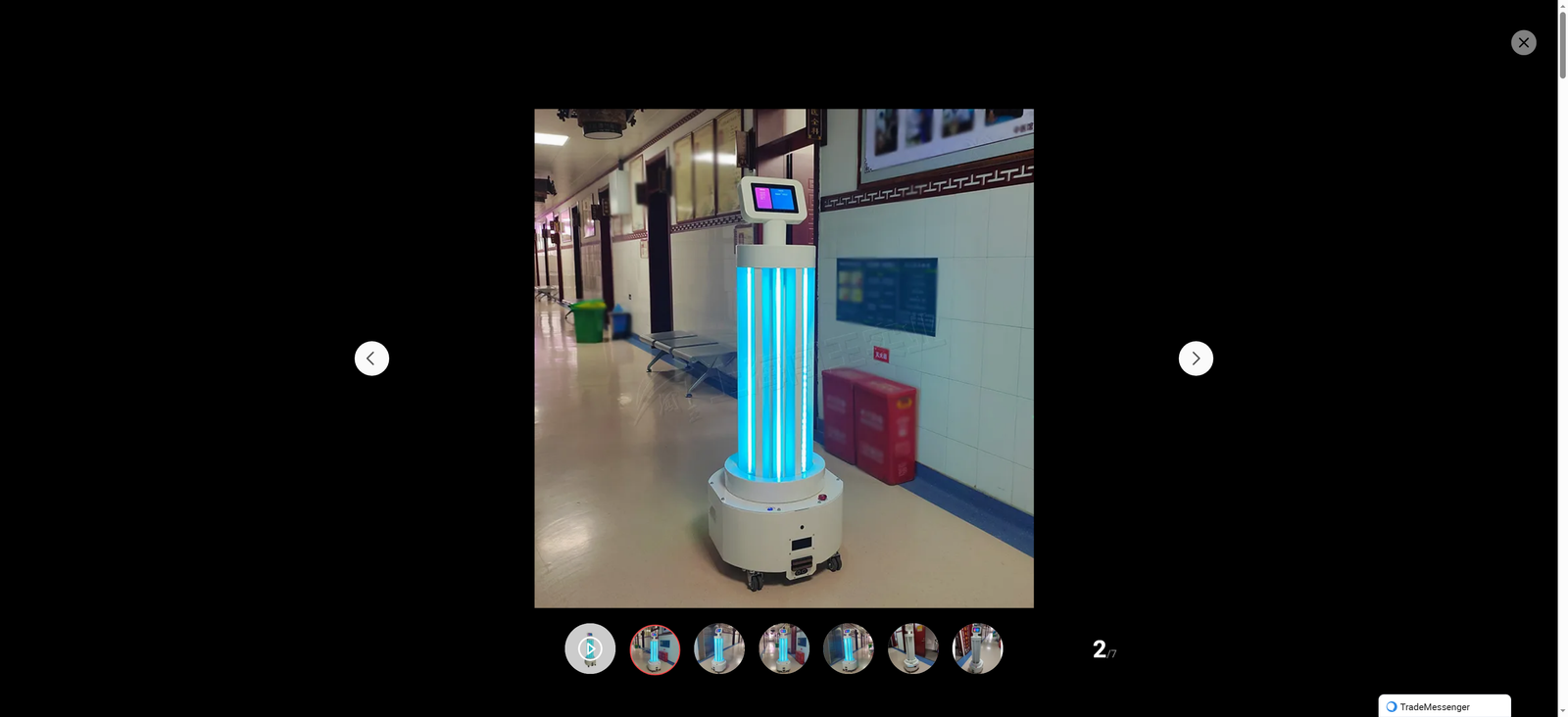
In the fast-paced and high-stakes environment of healthcare facilities, maintaining rigorous sterilization standards is not just a priority—it is a fundamental requirement for protecting patients, staff, and visitors from harmful pathogens. Hospital-acquired infections (HAIs) remain a persistent challenge, with even the most diligent manual cleaning protocols struggling to eliminate hidden bacteria, viruses, and spores. Against this backdrop, the ultraviolet (UV) disinfection robot, also known as the hospital sterilization robot, has emerged as a transformative solution, merging advanced technology with precision to redefine how hospitals approach disinfection and infection control.
At its core, the ultraviolet disinfection robot leverages the power of UV-C light—a specific wavelength of ultraviolet radiation (typically 254 nm) proven to be highly effective at neutralizing pathogens[1[8]. Unlike traditional manual disinfection methods that rely on chemicals or physical wiping, UV-C light works by penetrating the DNA and RNA of microorganisms, disrupting their ability to replicate and rendering them harmless. This technology eliminates a wide spectrum of threats, including drug-resistant bacteria like Clostridioides difficile (C. diff), viruses such as COVID-19 and influenza, and even resilient spores that often survive conventional cleaning[2[6]. What sets the hospital sterilization robot apart is its ability to deliver this powerful disinfection consistently, efficiently, and without the risk of human error.
One of the key advantages of UV disinfection robots in hospital settings is their autonomous operation, which addresses the limitations of manual labor and static disinfection devices[4]. Equipped with advanced mapping systems, laser radar navigation, and obstacle-detection sensors, these robots can navigate hospital environments independently—from patient rooms and operating theaters to corridors and waiting areas—without requiring constant human supervision[3[7]. They use intelligent path-planning technology to map their surroundings, ensuring 360° coverage and eliminating blind spots that static UV devices or manual cleaning might miss[4[8]. For busy healthcare facilities, this autonomy translates to significant time savings: staff can focus on critical patient care tasks while the robot handles disinfection, rather than spending hours on labor-intensive cleaning routines[2[7].
Efficiency and consistency are two hallmarks of the hospital sterilization robot that make it indispensable in modern healthcare. Unlike manual disinfection, which can vary in quality based on staff fatigue, training, or workload, UV disinfection robots deliver a uniform level of sterilization every time they operate[2]. Ma
Safety is another critical feature of UV disinfection robots, designed to protect both healthcare workers and patients during operation. Before starting a disinfection cycle, most robots emit audio and visual warnings, alerting nearby personnel to clear the area and initiating a countdown to ensure no one is present when UV-C lamps activate[
The integration of UV disinfection robots into hospital infection control strategies also offers long-term cost benefits. While the initial investment may seem significant, the savings from reduced HAIs—including lower patient care costs, fewer fines, and minimized reputational damage—far outweigh the upfront expense[2]. Addit
As healthcare technology continues to evolve, UV disinfection robots are becoming more advanced and versatile. Modern models often combine UV-C disinfection with other technologies, such as ultra-dry mist atomization, to provide dual-layer protection against both surface and airborne pathogens[5
In conclusion, the ultraviolet disinfection robot—your trusted hospital sterilization robot—is no longer a luxury but a necessity for modern healthcare facilities. It addresses the critical limitations of traditional disinfection methods, delivering consistent, efficient, and safe sterilization that protects patients, staff, and visitors. By leveraging UV-C technology, autonomous navigation, and intelligent safety features, these robots are transforming infection control practices, reducing the risk of HAIs, and allowing healthcare providers to focus on what matters most: delivering high-quality patient care. As the healthcare industry continues to prioritize safety and efficiency, the role of UV disinfection robots will only grow, solidifying their place as a cornerstone of modern hospital sterilization.