
UV-Sterilized Food Delivery Robot for Hygienic Restaurant Service
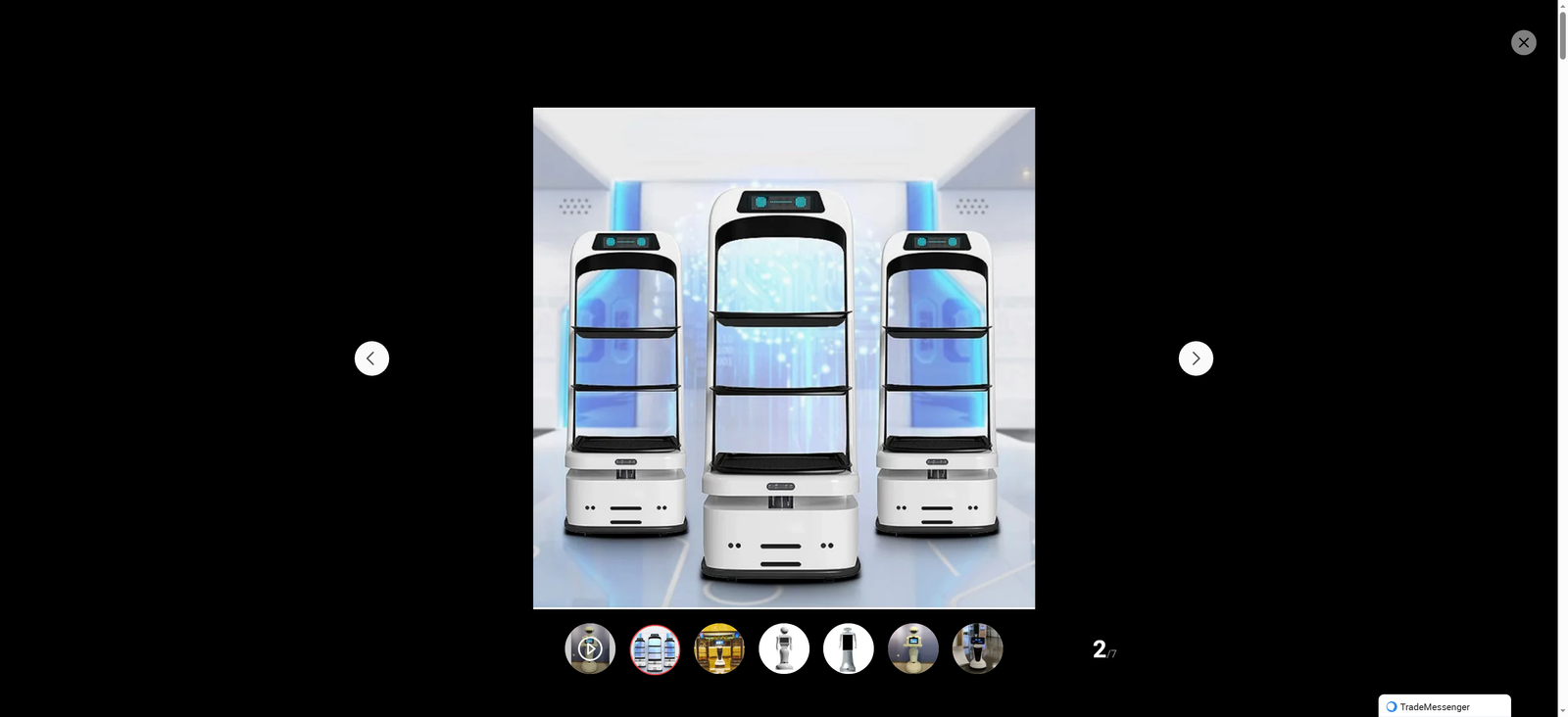
In an era where food safety and hygiene have become non-negotiable priorities for restaurants and diners alike, the integration of technology has emerged as a game-changer in elevating service standards. Among the innovative solutions transforming the food service industry, UV-sterilized food delivery robots stand out as a pivotal tool, merging efficiency with rigorous hygiene to redefine the dining experience. These intelligent robots are not merely a novelty; they are a strategic investment that addresses critical pain points in traditional food delivery, ensuring that every meal reaches customers in the safest, most sanitized condition possible.
Traditional food delivery in restaurants relies heavily on human staff, who navigate bustling dining halls, interact with multiple surfaces, and handle numerous dishes throughout their shift. While restaurants implement strict handwashing and sanitization protocols, the risk of cross-contamination remains unavoidable. Human contact with food containers, tables, and other high-touch surfaces can inadvertently transfer harmful pathogens such as E. coli, salmonella enterica, and coronaviruses, posing a threat to diner health and a restaurant’s reputation. This is where UV-sterilized food delivery robots step in, eliminating direct human contact with food during the delivery process and leveraging advanced ultraviolet technology to neutralize pathogens effectively.
At the core of these robots’ hygiene capabilities is UV-C sterilization technology, a proven method widely used in healthcare facilities, hospitals, and now, the food service industry. UV-C light, with a wavelength of 254 nm, is highly effective at inactivating over 35 high-risk pathogens, including SARS-CoV-2 and influenza A, achieving a disinfection rate of 99% or higher in independent testing. Unlike chemical disinfectants that may leave harmful residues or require time to dry, UV-C sterilization is a chemical-free, residue-free process that works quickly to sanitize surfaces. UV-sterilized food delivery robots are equipped with built-in UV-C lamps, often integrated into their food compartments, which automatically activate before, during, or after delivery to sanitize the interior and the food containers placed within them.
Many advanced models take sterilization a step further by adopting a “double disinfection” approach, combining UV-C light with ultrasonic dry mist disinfection. This hybrid system first uses a 0.3-micron级 atomizer to spray food-grade disinfectant evenly, ensuring penetration into tiny gaps and crevices, then activates UV-C lamps for 180 seconds to eliminate any remaining resistant strains. To optimize effectiveness and protect the robot’s components, parameters are strictly controlled: UV intensity is maintained at 80μW/cm² or higher, while irradiation time is limited to avoid accelerating plastic aging, demonstrating a thoughtful balance of hygiene and durability.
Beyond their exceptional hygiene benefits, UV-sterilized food delivery robots offer significant operational advantages for restaurants. Equipped with SLAM laser radar navigation, 3D obstacle avoidance technology, and intelligent path planning, these robots can autonomously navigate complex dining environments, avoiding customers, staff, and obstacles with millisecond-level response times. They can operate 24 hours a day, 7 days a week, covering peak dining periods without fatigue, and carry multiple dishes at once using multi-level trays, reducing delivery time and increasing order fulfillment efficiency. With a battery life of 8 to 12 hours and automatic charging capabilities, these robots require minimal human supervision, allowing restaurant staff to shift their focus from repetitive delivery tasks to more customer-centric roles such as order taking, table service, and culinary preparation.
The practical applications of these robots are already being tested and adopted in restaurants worldwide, proving their value in real-world settings. For example, during the COVID-19 pandemic, restaurants in Ann Arbor utilized delivery robots equipped with UV sterilization compartments to offer safe, contactless delivery, helping them maintain business while reducing revenue losses from traditional dine-in restrictions. These robots not only lowered delivery costs compared to conventional services but also reassured customers of the restaurant’s commitment to hygiene, building trust and loyalty. In addition, restaurants of all types—from fast-food chains to fine dining establishments—can benefit from their versatility: they can be customized with logos, equipped with touchscreens for customer interaction, and integrated with elevator IoT systems to serve multi-floor venues.
As the food service industry continues to evolve, the demand for hygienic, efficient, and sustainable solutions will only grow. UV-sterilized food delivery robots align perfectly with this trend, offering a sustainable alternative to chemical disinfection and reducing reliance on manual labor. They also contribute to cost savings in the long run: while the initial investment may be higher, the reduction in labor costs, lower risk of foodborne illness lawsuits, and improved customer retention far outweigh the upfront expense. Moreover, advancements in AI and robotics are continuously enhancing their capabilities, with features such as remote management platforms, automatic work report generation, and real-time disinfection status monitoring making them even more user-friendly and effective for restaurant operators.
In conclusion, UV-sterilized food delivery robots are more than just a technological innovation—they are a vital component of modern restaurant service, bridging the gap between efficiency and hygiene. By eliminating cross-contamination risks, streamlining operations, and enhancing the customer experience, these robots help restaurants stay competitive in a market where hygiene is paramount. As technology continues to advance, we can expect to see even more sophisticated models with improved sterilization capabilities, navigation systems, and customer interaction features, solidifying their role as indispensable tools in the future of food service. For restaurants looking to prioritize hygiene, reduce costs, and elevate their brand, investing in UV-sterilized food delivery robots is a forward-thinking decision that delivers long-term value for both the business and its customers.