
UV Disinfection Robot for Office Spaces: A Safe Return to Work Environment
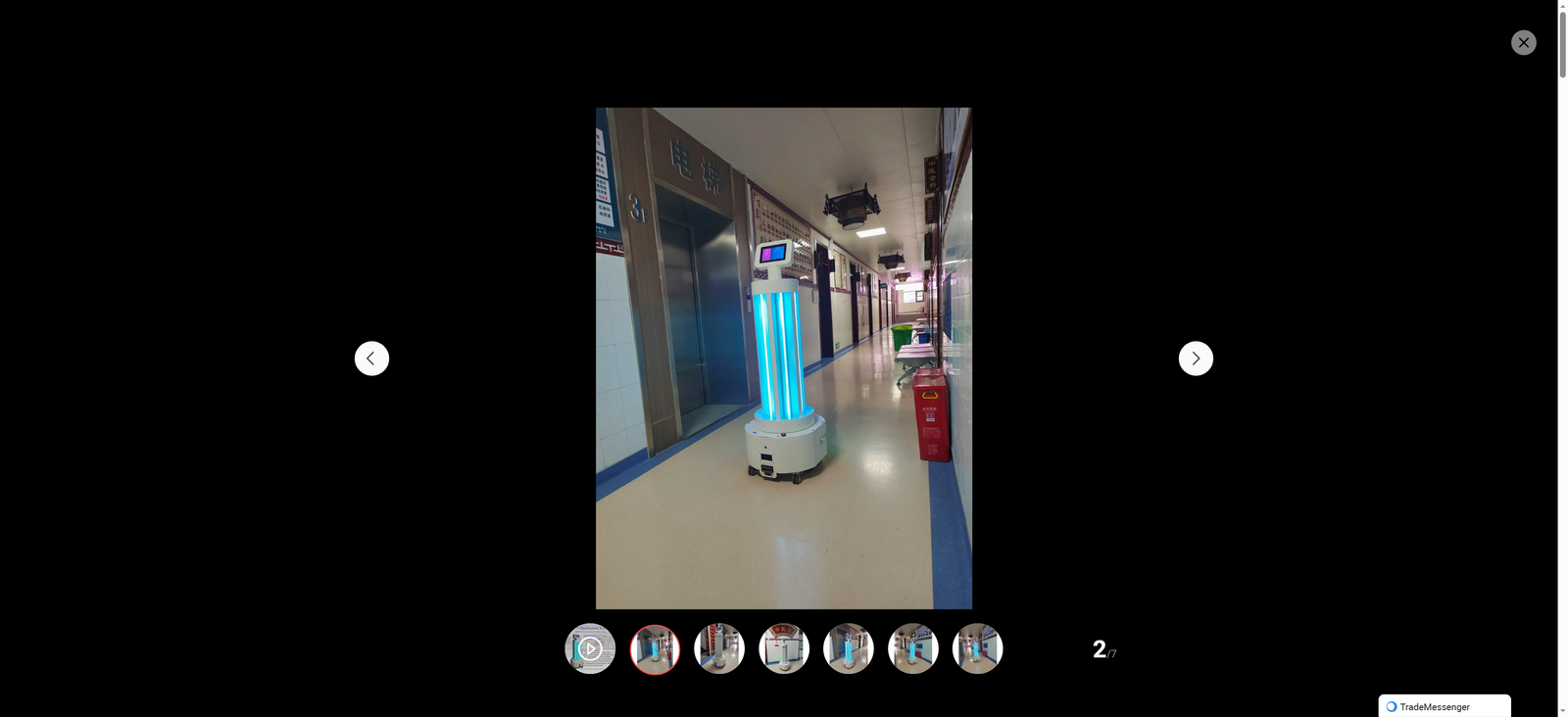
As workplaces worldwide transition back to in-person operations, the priority of maintaining a hygienic and safe environment has never been higher. Traditional chemical-based cleaning methods, while familiar, are plagued by inconsistencies, labor intensity, and potential health risks from hazardous substances. In this context, UV disinfection robots have emerged as a transformative solution, leveraging cutting-edge technology to redefine workplace sanitation and rebuild employee confidence in returning to the office.
At the core of UV disinfection robots' efficacy is ultraviolet-C (UV-C) radiation, a wavelength ranging from 200 to 280 nm that effectively inactivates microorganisms by scrambling their DNA and RNA, rendering them unable to reproduce and spread. Unlike manual cleaning, which relies on human thoroughness and is prone to fatigue-induced oversights, these robots deliver consistent, standardized disinfection across all high-touch and hard-to-reach areas—from desk surfaces and meeting room tables to elevator buttons and corridor handrails. This level of reliability is critical in offices, where shared spaces and frequent human contact create ideal conditions for pathogen transmission.
Autonomy and smart navigation are among the key advantages that make UV disinfection robots tailored for office environments. Equipped with advanced technologies such as Simultaneous Localization and Mapping (SLAM), LiDAR, and ultrasonic sensors, these robots can seamlessly map complex office layouts, plan optimal disinfection paths, and avoid obstacles like furniture and equipment. The Orion UV robot, for instance, uses autonomous navigation hardware and eight UV-C lights to ensure 360-degree coverage of high-touch surfaces, eliminating 99.998% of harmful viruses and bacteria within five minutes of exposure at one meter distance. Such efficiency translates to significant time savings—with over 65% reduced labor time compared to manual cleaning—and allows for flexible deployment during off-hours, ensuring disinfection does not disrupt daily workflow.
Safety is a paramount concern when deploying UV-C technology, and modern disinfection robots are engineered with multiple safeguards to protect human health. AI-powered human detection systems, integrated with cameras and motion sensors, trigger instantaneous UV light shutdowns upon detecting human presence, with average response times as low as 0.35 seconds. Visual and audio alerts further signal active disinfection cycles, while remote start/stop controls allow staff to operate the robot from a safe distance. These features address the inherent risk of UV-C exposure—including skin and ocular damage—making the technology viable for busy office environments where unexpected human movement is common.
Beyond health and safety, UV disinfection robots offer tangible operational and branding benefits for businesses. By reducing reliance on chemical cleaners, they minimize recurring costs associated with consumables (sprays, wipes, gloves) and waste, aligning with corporate sustainability goals. Deploying such cutting-edge technology also enhances employer branding, demonstrating a commitment to employee well-being and corporate social responsibility—factors that boost staff morale and trust. Real-world applications underscore these benefits: large enterprises like China Shenhua Coal Liquefaction and Chemical Co., Ltd. have successfully implemented autonomous UV disinfection robots to cover 25,000㎡ office areas, achieving 99.99%杀菌率 while reducing cross-infection risks and labor costs.
Transparency and compliance are additional value propositions of modern UV disinfection robots. Many models come equipped with built-in reporting tools that generate digital logs, heatmaps, and cycle records, allowing facility managers to verify disinfection coverage, track performance over time, and maintain audit readiness. This level of documentation is particularly valuable for organizations operating under strict hygiene regulations, as it eliminates the need for manual record-keeping and ensures accountability. Certified by authorities such as the EPA and PMRA, these robots meet global safety and efficacy standards, providing further assurance of their reliability.
As workplaces evolve to prioritize health and resilience, UV disinfection robots are no longer a niche technology but an essential component of a comprehensive office safety strategy. They bridge the gap between thorough disinfection, operational efficiency, and human safety, addressing the limitations of traditional cleaning methods while adapting to the dynamic needs of modern offices. By investing in UV disinfection robots, businesses not only create a safer environment for employees to return to work but also lay the groundwork for a more hygienic, sustainable, and confident workplace future.