
Smart Waiter Robot: Transforming Hospitality with 3-Tray Delivery, 10h Battery Life and AI Voice Interaction
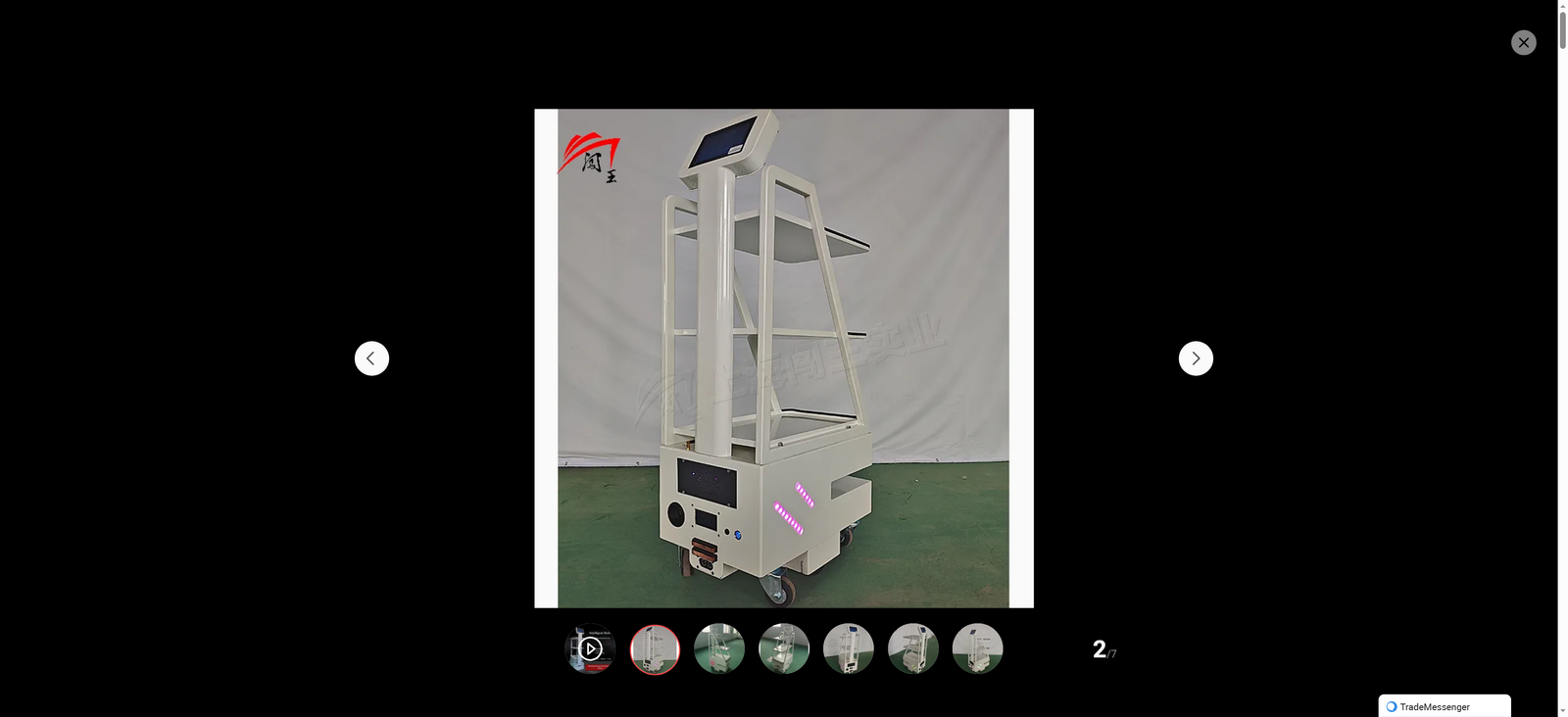
The hospitality industry is undergoing a profound digital transformation, driven by the need to address labor shortages, enhance service efficiency, and elevate customer experiences. Amid this shift, smart waiter robots have emerged as game-changing tools, bridging the gap between technological innovation and practical service demands. Among these innovations, the 3-tray automatic food delivery robot with 10-hour battery life and AI voice interaction stands out, redefining operational standards for restaurants, hotels, buffets, and catering venues worldwide.
At the core of this robot’s functionality is its thoughtfully designed 3-tray structure, a key feature tailored to the dynamic needs of busy hospitality environments. Each tray boasts a spacious loading area, supporting stable transportation of diverse food items—from delicate appetizers and hot main courses to beverages and desserts—without the risk of spillage. Equipped with adjustable height settings, the trays accommodate different dish sizes and facilitate easy access for both staff and customers, enabling seamless handover of orders. With a total payload capacity that meets the demands of peak-hour service, this 3-tray design eliminates the need for multiple round trips, drastically cutting down delivery time and boosting overall operational efficiency. For venues like buffets and large-scale restaurants, the multi-tray configuration also supports simultaneous delivery to multiple tables, reducing customer waiting time and enhancing satisfaction levels.
A reliable power supply is indispensable for uninterrupted service in the hospitality sector, and the robot’s 10-hour battery life delivers exactly that. Engineered with high-capacity lithium-ion batteries, it can operate continuously through entire service shifts—from morning brunches and lunch rushes to evening dinners—without requiring mid-shift recharging. This long-lasting battery performance is complemented by an intelligent auto-recharge function: when power levels drop to a preset threshold, the robot autonomously navigates to its charging station, completes recharging in a short timeframe, and resumes service promptly. Unlike human staff who need breaks, this 24/7 operational capability ensures consistent service quality even during late-night hours or staff shortages, a critical advantage for hotels and 24-hour diners. The extended battery life also minimizes downtime, maximizing the robot’s utilization rate and return on investment for business owners.
Elevating the robot from a mere delivery tool to an intelligent service assistant is its advanced AI voice interaction system. Equipped with a 360° microphone array and high-fidelity speakers, the robot achieves clear, natural communication with customers and staff across distances of up to 5 meters, even in noisy dining environments. It can respond to voice commands such as “deliver to table 12,” “pause service,” or “return to the kitchen,” streamlining task execution and reducing manual intervention. For customers, the AI voice function adds a personalized touch: it can greet guests upon arrival, provide dish recommendations, answer basic queries about menu items or restaurant services, and even bid farewell, creating a engaging dining experience. Notably, this voice system supports multi-language interaction, breaking down language barriers for international tourists—a key benefit for hotels and tourist-centric restaurants.
Beyond these core features, the smart waiter robot integrates cutting-edge navigation and safety technologies to adapt to complex hospitality environments. Utilizing dual SLAM (Simultaneous Localization and Mapping) technology, it achieves precise positioning and real-time route correction, effortlessly navigating through narrow corridors, around dining tables, and past dynamic obstacles like moving staff or customers. 3D depth detection and radar sensing systems ensure zero-delay obstacle avoidance, preventing collisions and ensuring the safety of both food and patrons. The robot also features vivid LED status indicators, with different colors signaling operational states—green for charging, blue for working, and red for faults—enhancing usability for staff.
The practical value of this smart waiter robot is validated by real-world applications across the globe. In Havana’s Doña Alicia Restaurant, similar robotic solutions have attracted diverse clientele by offering a futuristic dining experience, with tourists praising its ability to overcome language barriers through voice interaction. In hotel chains like Hanting, delivery robots with multi-tray designs and long battery life have reduced single-delivery time to under 4.5 minutes, improving efficiency by 55% compared to manual service. For high-end venues, the robot’s contactless delivery capability also aligns with hygiene standards, minimizing human contact and ensuring food safety.
In an industry where efficiency, consistency, and customer experience are paramount, the 3-tray automatic food delivery robot with 10-hour battery life and AI voice interaction is more than a technological novelty—it is a strategic asset. It relieves staff from repetitive delivery tasks, allowing them to focus on high-value customer interactions such as table service and personalized recommendations. For business owners, it reduces labor costs, boosts operational efficiency, and differentiates their venues in a competitive market. As AI and robotics technology continue to advance, such smart waiter robots will undoubtedly become indispensable partners in the hospitality industry, shaping the future of dining and service.