
Smart Office Service Robot for Efficient Hotel Food Delivery: Redefining the New Paradigm of Hotel Service
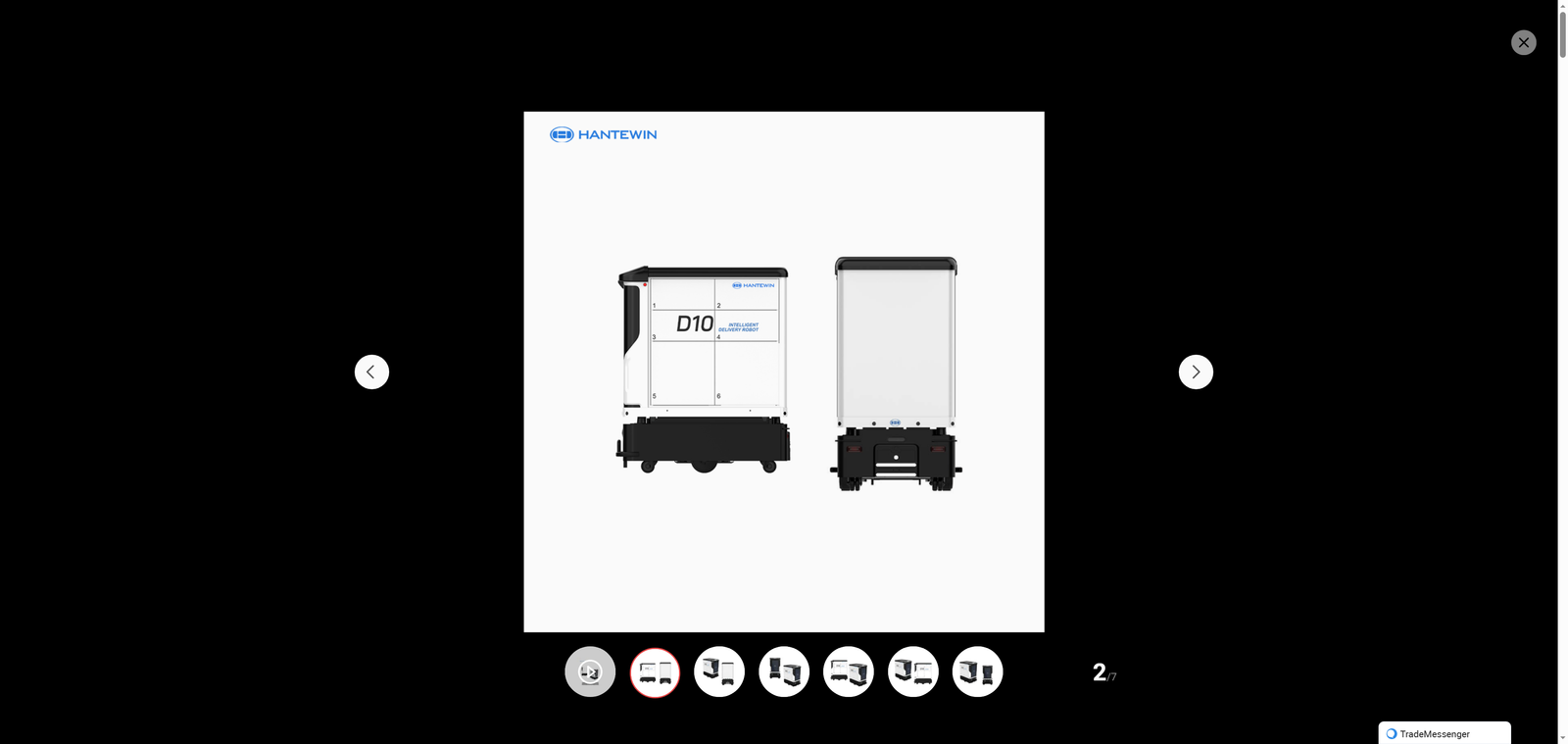
With the rapid development of artificial intelligence and smart IoT technology, the hotel industry, as a benchmark of the service industry, is undergoing a profound transformation from "traditional manual service" to "intelligent service". Among them, smart office service robots, which were initially applied in office scenarios, have gradually extended their application boundaries to hotel food delivery services, becoming a new force to optimize service efficiency, improve guest experience and reduce operational costs. This article will explore how smart office service robots empower hotel food delivery business and reshape the new ecology of hotel services.
In the traditional hotel food delivery mode, the pressure of manual service is prominent. During peak meal hours, limited room service staff often face the dilemma of "being too busy to respond" — long waiting time for guests to order food, delayed delivery due to wrong room numbers, and difficulty in ensuring the timeliness and stability of food delivery. In addition, manual delivery also has potential risks such as food spillage, information error, and high labor cost. With the continuous improvement of guests' demand for personalized and efficient services, the traditional mode can no longer meet the development needs of modern hotels. The emergence of smart office service robots has precisely solved these pain points, injecting new vitality into hotel food delivery services.
Smart office service robots have inherent technical advantages that make them ideal for hotel food delivery scenarios. First of all, in terms of navigation and positioning, most of these robots are equipped with advanced SLAM (simultaneous localization and mapping) technology, multi-sensor fusion (including laser radar, visual camera, ultrasonic sensor, etc.), which can quickly build a 3D map of the hotel's internal environment, accurately identify elevators, corridors, rooms, and obstacles. Even in complex scenarios such as crowded corridors and temporarily placed items, they can flexibly avoid obstacles, plan the optimal delivery route, and ensure that food is delivered to the designated room accurately and efficiently. Compared with manual delivery that is prone to wrong rooms and detours, the robot's positioning accuracy can reach within 5 centimeters, greatly reducing the error rate of delivery.
Secondly, in terms of efficient operation and 24-hour service, smart office service robots can achieve uninterrupted work without rest, fatigue, or emotional fluctuations. Whether it is the peak meal period at noon and evening, or the late night when guests need supper service, the robot can respond to delivery needs in real time. A single robot can complete 30-50 delivery tasks per day, which is equivalent to the workload of 1-2 full-time room service staff, significantly improving the efficiency of food delivery. At the same time, the robot is equipped with a smart storage compartment with temperature control function, which can keep hot food warm and cold food fresh, ensuring that the food quality is consistent with the state when it leaves the kitchen, solving the problem of food cooling and deterioration during manual delivery.
In addition, smart office service robots also have the advantages of intelligent interaction and data management. The robot is equipped with a high-definition touch screen, voice recognition module and Bluetooth connection function. Guests can confirm receipt by scanning the code, touching the screen or voice, and can also give service evaluations in real time. For hotels, the background management system of the robot can collect and analyze a large amount of delivery data, including order quantity, delivery time, guest evaluation, etc., which provides data support for hotels to optimize food supply, adjust service plans and allocate human resources. For example, according to the data, hotels can increase the supply of popular meals during peak hours, or adjust the number of robots on duty according to the distribution of orders in different floors, so as to realize refined operation management.
The application of smart office service robots in hotel food delivery not only optimizes the operational efficiency of hotels, but also brings a new and high-quality experience to guests. For modern guests, especially young groups who are familiar with and love smart technology, interacting with service robots has become a new highlight of hotel stay. From ordering food through the mobile app to receiving food delivered by the robot, the whole process is intelligent and contactless, which not only meets the guests' demand for efficient service, but also reduces the contact between people, improving the safety and health of the service. In addition, the robot's cute appearance and friendly interactive mode can also enhance the sense of experience and happiness of guests, leaving a deep impression on them and helping hotels improve their brand image and customer loyalty.
Of course, the popularization of smart office service robots in hotel food delivery also faces some challenges. For example, the initial investment cost of robots is relatively high, which may bring certain economic pressure to small and medium-sized hotels; the maintenance and technical support of robots require professional personnel, and the training of hotel staff also needs a certain cycle; in addition, some elderly guests may be unfamiliar with the operation of robots, and need manual guidance to complete the receipt process. However, with the continuous maturity of robot technology and the gradual reduction of production costs, these problems will be gradually solved. More and more hotels have realized the long-term value of smart robots — although the initial investment is large, the long-term labor cost saved and the improved service quality can bring more considerable returns to hotels.
Looking to the future, with the integration and innovation of technologies such as 5G, big data, and artificial intelligence, smart office service robots will have more powerful functions in hotel food delivery scenarios. For example, through big data analysis, the robot can actively push personalized food recommendations to guests according to their living habits and preferences; with the support of 5G technology, the robot can achieve more stable and efficient remote control and data transmission; the integration of facial recognition technology can enable the robot to accurately identify guests and complete automatic food delivery without the need for guests to scan codes or confirm. At the same time, the application of robots will not replace manual services, but will form a complementary relationship with manual services — robots are responsible for efficient, repetitive and tedious delivery tasks, while hotel staff can focus on providing more personalized, humanized and high-value services such as butler service and emotional communication, realizing the "combination of intelligence and humanity" in hotel services.
In conclusion, smart office service robots have become an important breakthrough in the intelligent transformation of hotel food delivery services. With their advantages of high efficiency, accuracy, 24-hour service and intelligent interaction, they not only solve the pain points of traditional manual delivery, but also redefine the service experience of hotel guests and promote the refined operation of hotels. In the era of intelligent service, hotels that take the lead in applying smart robots will gain more competitive advantages in the market. It is believed that with the continuous development of technology, smart office service robots will play a more important role in the hotel industry, contributing more power to the high-quality development of the hotel service industry.