
New Commercial Humanoid Robots & Intelligent Service Waiter Robots: Reshaping the Future of Hotel Services
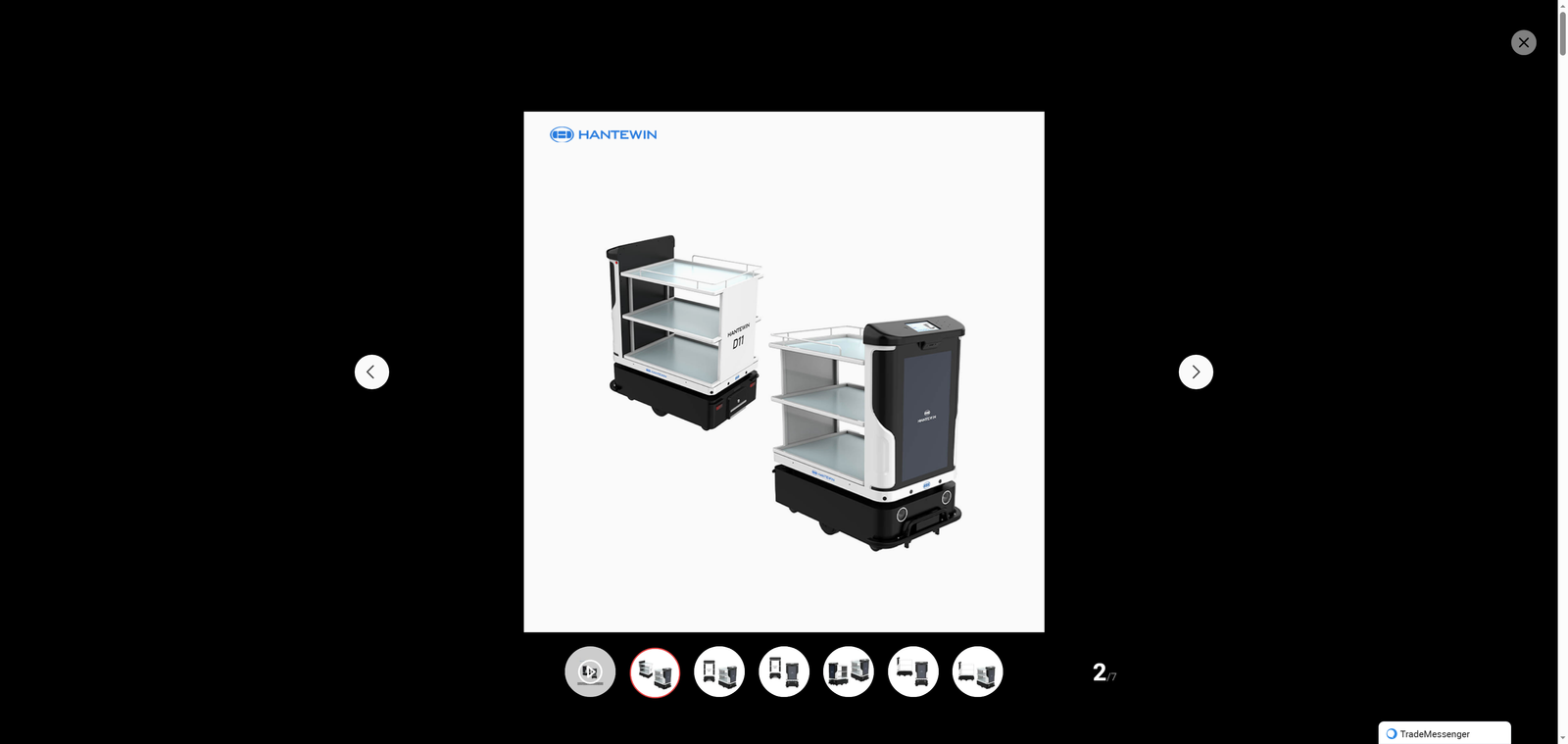
With the rapid advancement of artificial intelligence, robotics, and IoT technologies, the service industry is undergoing a profound transformation. Among them, the hotel industry, which takes "high-quality service" as its core competitiveness, has become a key battlefield for the landing and application of commercial robots. Recently, the launch and room-delivery of new commercial humanoid robots, coupled with the widespread deployment of intelligent service waiter robots, have not only broken the traditional service model of hotels but also opened a new chapter of "intelligent humanized" service, bringing an unprecedented experience to guests and injecting strong momentum into the high-quality development of the hotel industry.
The new commercial humanoid robot, as a representative of high-end intelligent equipment in the hotel field, has subverted people's inherent impression of service robots with its human-like appearance, flexible movement, and intelligent interaction capabilities. Unlike the traditional single-function robots, this new type of humanoid robot is designed with a bionic structure, which can simulate human body movements such as walking, turning, and lifting, and can easily adapt to the complex environment of hotels, including corridors, elevators, and guest rooms. Equipped with advanced visual recognition, voice interaction, and autonomous navigation technologies, the robot can accurately identify guest information, receive voice commands, and complete room-delivery tasks independently without manual intervention.
In the actual application scenario of hotels, the room-delivery service of new commercial humanoid robots has become a highlight that has won wide praise from guests. When guests need to deliver items such as mineral water, towels, or express packages, they only need to make a request through the hotel APP, smart phone in the room, or voice call. The robot will immediately receive the order, plan the optimal route through the background system, and move towards the target guest room steadily. During the movement, it can automatically avoid obstacles such as pedestrians and furniture, and take the elevator independently by interacting with the elevator intelligent system. After arriving at the door of the guest room, the robot will send a reminder to the guest through voice or SMS, and after the guest opens the door, it will gently hand over the items with its bionic arm, and even say warm greetings such as "I hope you have a pleasant stay". This whole process is efficient, fast, and full of human touch, which not only saves the time of hotel service staff but also avoids the embarrassment caused by manual room-delivery at inappropriate times, greatly improving the guest's sense of experience and satisfaction.
While the new commercial humanoid robots are committed to optimizing the room-delivery service, the intelligent service waiter robots have also become an important force in upgrading the hotel's public area services. These robots are mainly deployed in hotel lobbies, restaurants, and other areas, undertaking tasks such as welcoming guests, guiding, ordering meals, and delivering dishes. In the lobby, the intelligent service waiter robot can accurately identify the arrival of guests, take the initiative to greet them, and provide services such as checking in guidance, room introduction, and surrounding travel consultation according to the guests' needs. Its friendly voice and vivid expressions can quickly narrow the distance with guests and leave a good first impression on them.
In the hotel restaurant, the role of intelligent service waiter robots is even more prominent. Guests can order meals through the touch screen on the robot or voice interaction, and the robot will immediately send the order information to the kitchen. After the dishes are prepared, the robot will accurately take the dishes and deliver them to the corresponding table according to the order number. Compared with manual waiters, intelligent service waiter robots have the advantages of fast response, no fatigue, and zero error. They can work continuously for 24 hours, effectively solving the problem of insufficient service staff during peak meal hours, and improving the efficiency of ordering and delivering dishes. At the same time, the robot can also record the guests' dining preferences through big data analysis, and provide personalized dining recommendations for guests when they visit next time, helping hotels realize refined operation and management.
The large-scale application of new commercial humanoid robots and intelligent service waiter robots in hotels is not only a technological innovation but also a profound change in the service concept of the hotel industry. For hotels, the introduction of these intelligent robots can effectively reduce labor costs. In the long run, it can save a lot of expenses for hotels compared with the continuous increase of manual labor costs. At the same time, the standardization and stability of robot services can avoid service quality fluctuations caused by human factors, ensuring that every guest can enjoy consistent high-quality services. In addition, the intelligent robots themselves have become a "net red label" of the hotel, attracting a large number of guests who are interested in intelligent technology to stay, which helps the hotel enhance its brand influence and market competitiveness.
Of course, the popularization of commercial humanoid robots and intelligent service waiter robots in the hotel industry does not mean that manual services will be replaced. On the contrary, the two can complement each other and form a synergistic effect. Intelligent robots are mainly responsible for repetitive, mechanical, and tedious service tasks, while hotel staff can focus more on providing personalized, emotional, and high-value-added services, such as handling complex guest needs, providing professional travel advice, and organizing cultural and entertainment activities. This "robot human" service model can not only give full play to the advantages of intelligent technology but also retain the temperature of human services, realizing the perfect integration of intelligence and humanization.
Looking to the future, with the continuous progress of technology, new commercial humanoid robots and intelligent service waiter robots will have more powerful functions and broader application scenarios. They may be able to complete more complex tasks such as room cleaning, laundry service, and emergency handling, and even realize more in-depth interaction with guests through emotional recognition technology. At the same time, the application of these robots will also drive the digital transformation and upgrading of the entire hotel industry, promoting the development of the hotel industry in a more intelligent, efficient, and high-quality direction.
In conclusion, the delivery of new commercial humanoid robots to hotel rooms and the wide application of intelligent service waiter robots are important signs of the intelligent transformation of the hotel industry. They are changing the way hotels serve, improving service quality and efficiency, and bringing a new experience to guests. In the wave of technological innovation, hotels that take the lead in embracing intelligent robots will surely gain more development opportunities and stand out in the fierce market competition. The future of hotel services will be a new era where intelligence and humanization coexist, and commercial robots will become an indispensable and important part of this new era.