
Smart Food Delivery Robot: Transforming Service Experience in Restaurants and Hotels
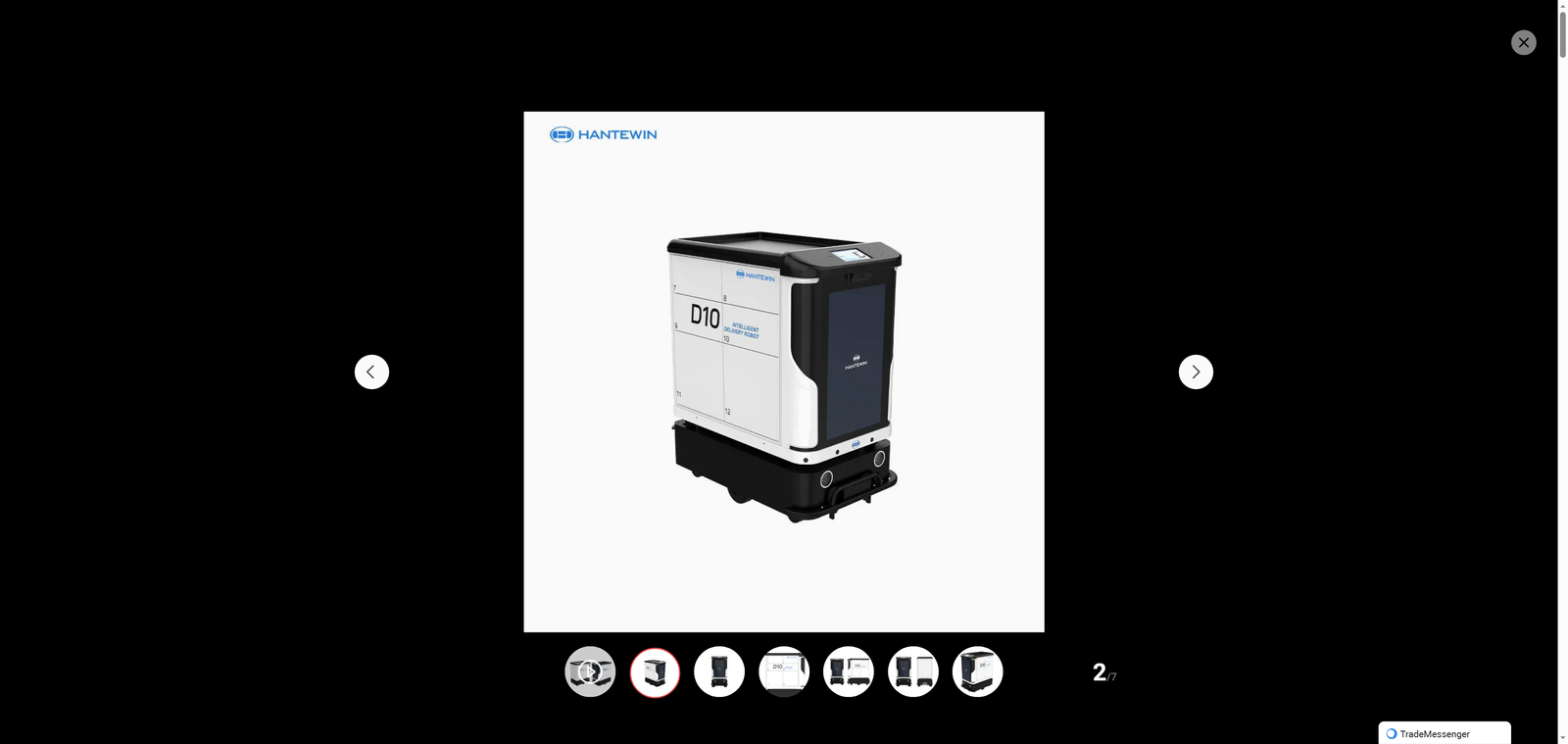
In the era of digital transformation, the service industry is undergoing a profound revolution driven by technological innovation. Among them, smart food delivery robots have emerged as a new force, gradually integrating into restaurants and hotels, breaking the traditional service model, and redefining the efficiency and quality of catering and accommodation services. These intelligent devices, equipped with advanced navigation, perception and interaction technologies, are no longer just "novelty gadgets" but have become indispensable core service tools, bringing dual upgrades to businesses and consumers.
For restaurants, whether it is a bustling urban restaurant, a featured boutique restaurant or a large-scale catering chain, smart food delivery robots have solved many long-standing pain points in the industry. First of all, they have significantly improved service efficiency. During peak dining hours, the shortage of waiters, long waiting time for food delivery and chaotic table service have always been the main factors affecting customer experience. Smart food delivery robots can realize 24-hour uninterrupted work without rest, fatigue or mistakes. They can accurately receive orders from the kitchen, navigate to the designated table through the built-in map and sensor, and even remind customers to take meals with a friendly voice. This not only reduces the workload of waiters, allowing them to focus more on providing personalized services such as order consultation and after-sales response, but also shortens the food delivery cycle, improving the turnover rate of tables and the overall operational efficiency of the restaurant.
Secondly, smart food delivery robots help restaurants control operational costs. In recent years, the cost of labor in the catering industry has been rising, and the difficulty of recruiting and retaining employees has increased. Investing in smart food delivery robots can effectively reduce the dependence on manual labor. Although there is a one-time purchase cost, the long-term use cost is low, and there is no need to pay wages, social security and other expenses. At the same time, the robots have high stability and low failure rate, which can avoid service errors caused by human factors and reduce the loss of customers due to service mistakes. For small and medium-sized restaurants with limited budgets, this is a cost-effective transformation plan that can help them gain more competitive advantages in the fierce market competition.
In the hotel industry, smart food delivery robots also show unique value, especially in high-end hotels, business hotels and chain hotels that pursue high-quality and efficient services. Hotels often need to provide 24-hour room service, such as delivering meals, drinks, toiletries and other items to guests' rooms. In the past, relying on room attendants to complete these tasks not only required a lot of labor input, but also may have delays in service due to the uneven distribution of work tasks. Smart food delivery robots can perfectly solve this problem. Guests only need to place an order through the room phone, WeChat mini-program or in-room intelligent terminal, and the robot can quickly receive the order and deliver the items to the door of the designated room accurately.
What's more, smart food delivery robots can protect the privacy of guests to the greatest extent. Unlike human service staff, robots will not involve the privacy of guests' rooms, and can complete the delivery service quietly without disturbing the guests' rest. This is particularly important for high-end hotel guests who pay attention to privacy and comfort. In addition, smart food delivery robots can also be integrated with the hotel's intelligent management system, realizing the connection of order information, robot scheduling and service evaluation, which is convenient for the hotel management to grasp the service status in real time and optimize the service process. For example, through the data feedback of robots, the hotel can understand the peak period of guest room service demand, reasonably arrange the work of human resources, and improve the overall service level.
The excellent performance of smart food delivery robots is inseparable from the support of core technologies. In terms of navigation and positioning, most robots adopt a multi-sensor fusion technology, integrating laser radar, visual camera, ultrasonic sensor and other devices. They can accurately perceive the surrounding environment, identify obstacles such as tables, chairs, pedestrians and walls, and realize real-time path planning and automatic obstacle avoidance. Even in complex and dynamic environments such as crowded restaurants and narrow hotel corridors, they can move smoothly and efficiently. In terms of interaction technology, the robots are equipped with voice recognition, touch screen and other interactive modules, which can communicate with customers and staff simply and friendly. For example, they can respond to customers' inquiries, remind staff to replenish materials, and realize information interaction with the restaurant's cash register system and the hotel's PMS system.
In addition, with the development of artificial intelligence and big data technology, smart food delivery robots are becoming more and more "intelligent". They can record and analyze customer consumption habits through big data, such as the favorite dishes of restaurant customers and the frequency of hotel guests using room service, and provide data support for businesses to carry out personalized marketing. At the same time, the cloud management platform of the robot allows businesses to remotely monitor the running status, power level and task completion of the robot, and carry out remote maintenance and upgrade, which greatly reduces the maintenance cost and improves the management efficiency.
Of course, the popularization and application of smart food delivery robots in restaurants and hotels also face some challenges. For example, the one-time investment cost is relatively high for some small businesses; the adaptation of old restaurants and hotels to the robot's operation space needs to be modified; and some elderly customers may have a sense of distance from intelligent devices. However, with the continuous progress of technology and the expansion of the industrial scale, the cost of smart food delivery robots is gradually decreasing, and the function and experience are constantly optimized. More and more businesses begin to realize the long-term value of intelligent transformation, and the acceptance of consumers for intelligent services is also increasing.
Looking to the future, smart food delivery robots will not only stay in the field of food delivery, but also realize more diversified service functions through technological iteration. For example, they can be used as a mobile information desk in hotels to provide guests with check-in guidance, tourist information inquiry and other services; in restaurants, they can assist in ordering, dish introduction and even table cleaning. At the same time, the integration of 5G, Internet of Things and other technologies will make the collaboration between multiple robots more efficient, forming an intelligent service network covering the whole scene of restaurants and hotels.
In conclusion, smart food delivery robots are not only a technological innovation, but also a new driving force for the transformation and upgrading of the restaurant and hotel industry. They are changing the service mode, improving operational efficiency, reducing costs and enhancing customer experience. With the deep integration of technology and the service industry, smart food delivery robots will play a more important role in the future, creating a more intelligent, efficient and high-quality service environment for restaurants and hotels, and promoting the sustainable development of the service industry.