
In the era of digital transformation, the hotel industry is constantly exploring innovative ways to optimize service experiences and operational efficiency. Among the emerging technological applications, smart food delivery robots have emerged as a game-changer, redefining the landscape of in-hotel catering services. These intelligent devices are not merely a novelty; they are practical solutions that address long-standing pain points in hotel operations, such as labor shortages, inconsistent service quality, and delayed deliveries. By integrating advanced technologies like artificial intelligence (AI), Internet of Things (IoT), and autonomous navigation, smart food delivery robots are becoming an indispensable part of efficient hotel service systems.
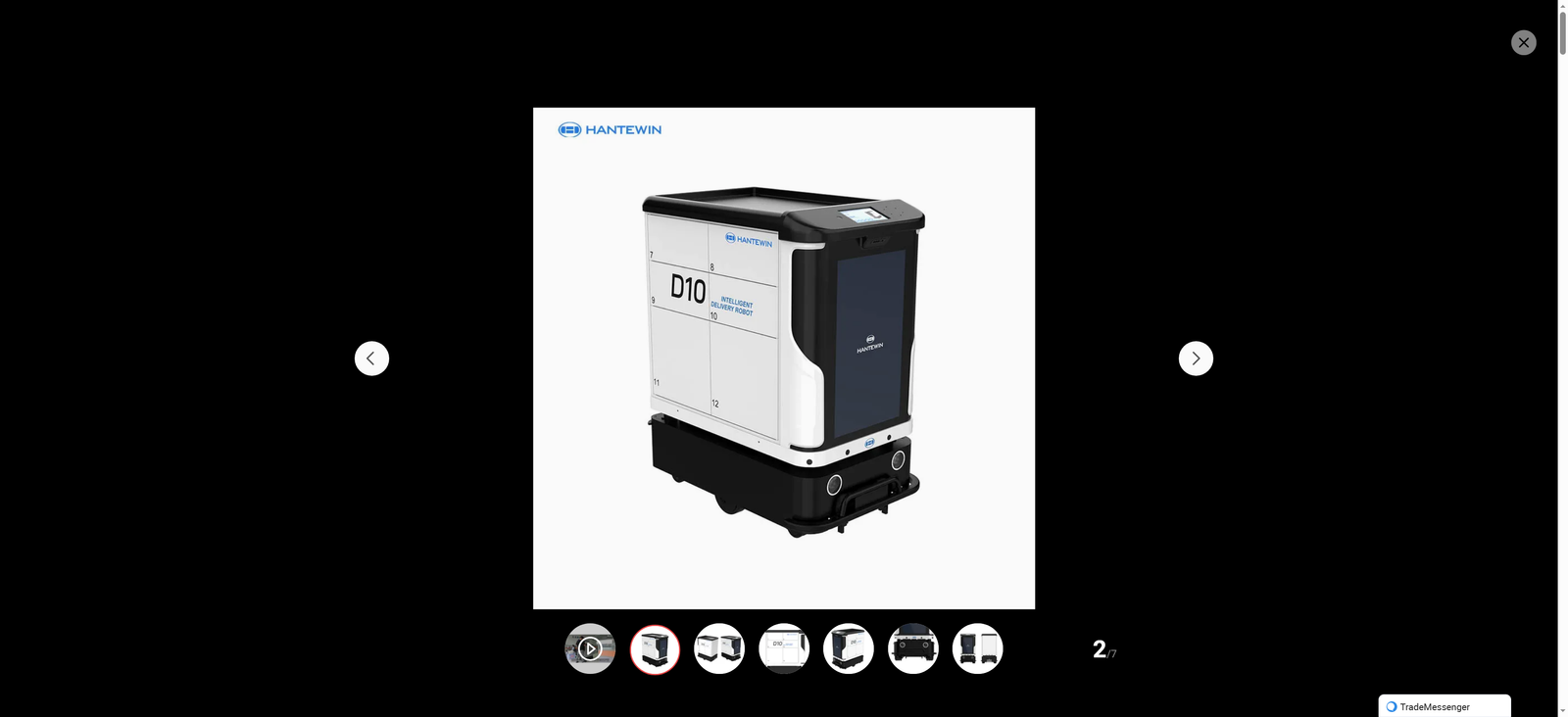
One of the most prominent advantages of smart food delivery robots is their ability to significantly enhance service efficiency. In traditional hotel settings, food delivery relies heavily on human staff, who often face the pressure of handling multiple tasks simultaneously—from taking orders to delivering meals to different floors and rooms. This not only leads to potential delays, especially during peak hours such as breakfast, lunch, and dinner rushes, but also increases the risk of human error, such as delivering the wrong order or spilling food. Smart food delivery robots, by contrast, are designed to streamline this process. Equipped with high-precision navigation systems, they can map out the optimal routes in real time, avoiding obstacles like guests, luggage carts, and other obstacles in the corridors. They can also handle multiple delivery tasks in sequence, reducing the time between meal preparation and delivery to guests. For example, a robot can be programmed to pick up meals from the hotel kitchen, navigate to the designated floor via the elevator (which it can call and access automatically), and then notify the guest via a mobile app or in-room intercom upon arrival. This seamless process not only saves time for both hotel staff and guests but also ensures that meals are delivered hot and fresh, enhancing the overall dining experience.
Another key benefit of smart food delivery robots is their role in alleviating labor challenges faced by the hotel industry. In recent years, many regions have experienced a shortage of hotel staff, particularly in positions like food runners and room service attendants. This shortage often leads to overworking of existing staff, increased labor costs, and compromised service quality. By deploying smart food delivery robots, hotels can free up human staff from repetitive and time-consuming delivery tasks, allowing them to focus on more value-added services that require human interaction, such as guest reception, personalized recommendations, and resolving guest issues. For instance, instead of assigning a staff member to deliver room service meals, the hotel can use a robot for this task, enabling the staff to spend more time engaging with guests in the lobby or assisting with check-in and check-out processes. Additionally, robots do not require rest breaks, holidays, or overtime pay, making them a cost-effective long-term solution for hotels. Over time, the investment in smart robots can be offset by the savings in labor costs and the improvement in operational efficiency.
Smart food delivery robots also contribute to improving the consistency and reliability of hotel services. Human service is often influenced by factors such as mood, fatigue, and workload, which can lead to inconsistent service quality. A staff member who is tired after a long shift may deliver a meal with less attention to detail, while a robot, programmed to follow strict protocols, will consistently perform its tasks with precision. From verifying the correct order before departure to handling the meal with care during delivery, robots ensure that every step of the delivery process is carried out uniformly. Moreover, smart robots are equipped with advanced sensors and communication systems that allow them to interact with guests in a friendly and professional manner. For example, some robots can greet guests with pre-recorded or real-time voice messages, provide simple instructions on how to retrieve the meal, and even respond to basic guest inquiries. This consistent and reliable service not only enhances guest satisfaction but also helps hotels build a positive brand image.
In addition to operational and service benefits, smart food delivery robots also align with the growing trend of contactless service, which has become increasingly important in the post-pandemic era. Many guests now prioritize contactless interactions to minimize the risk of virus transmission, and smart robots provide an ideal solution for contactless food delivery. Guests can place their orders via the hotel's mobile app or in-room tablet, and the robot will deliver the meal directly to their room door without any human-to-human contact. This not only meets the health and safety needs of guests but also demonstrates the hotel's commitment to adapting to changing guest preferences. Furthermore, the use of smart technology can also appeal to tech-savvy guests, particularly younger generations who are more likely to be impressed by innovative and digital services. This can help hotels attract a broader customer base and gain a competitive edge in the market.
Of course, the adoption of smart food delivery robots in hotels is not without challenges. There are initial investment costs associated with purchasing and deploying the robots, as well as ongoing maintenance and technical support requirements. Additionally, some guests, particularly older generations, may be less familiar with or resistant to interacting with robots, requiring hotels to provide clear instructions and support. However, these challenges are outweighed by the long-term benefits. As technology continues to advance, smart food delivery robots are becoming more affordable, user-friendly, and functional. Many hotels that have already deployed these robots have reported positive feedback from guests and significant improvements in operational efficiency.
In conclusion, smart food delivery robots are transforming hotel services by enhancing efficiency, alleviating labor shortages, improving service consistency, and meeting the demand for contactless interactions. As the hotel industry continues to evolve, the integration of intelligent technologies like food delivery robots will become increasingly essential for hotels looking to stay competitive and provide exceptional guest experiences. By embracing these innovations, hotels can not only optimize their operations but also redefine the future of hospitality service—one efficient, reliable, and smart delivery at a time.