
Smart Document Delivery Robot for Fast Food Services: Transforming Efficiency and Accuracy in Quick-Service Operations
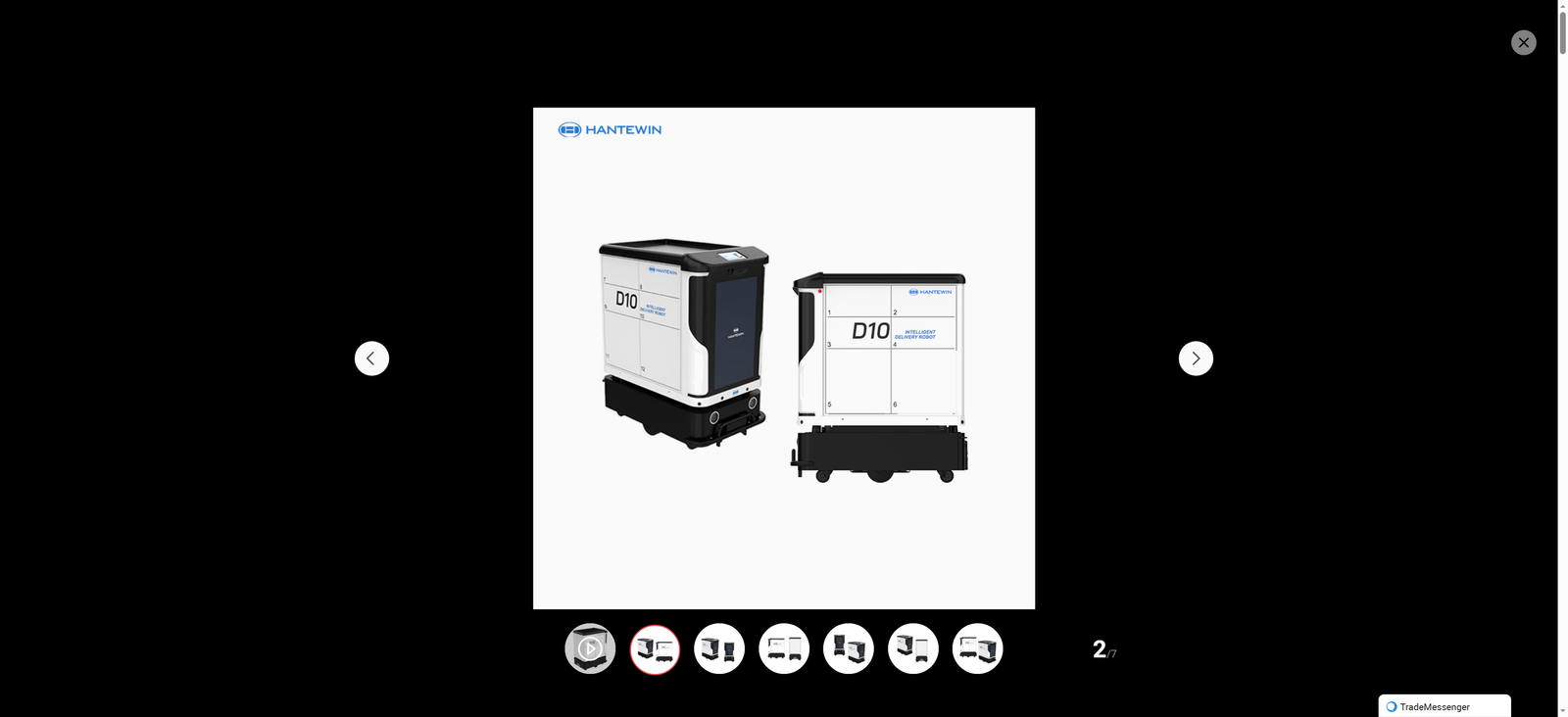
The fast food industry is undergoing a profound technological transformation, driven by the relentless pursuit of speed, efficiency, and customer satisfaction. As quick-service restaurants (QSRs) grapple with labor shortages, rising operational costs, and growing demands for seamless service, automation has emerged as a critical solution to stay competitive. Among the innovative robotic technologies reshaping the sector, the smart document delivery robot stands out as a specialized tool designed to streamline back-end and front-end operations, bridging the gap between digital processes and physical workflows. Unlike food preparation or customer-facing delivery robots, this intelligent system focuses on the precise, timely delivery of critical documents—redefining how QSRs manage orders, inventory, compliance, and customer records.
In traditional fast food settings, document management often relies on manual labor, leading to inefficiencies, delays, and errors that ripple through the entire operation. Employees tasked with delivering order tickets from front counters to kitchen stations, inventory reports to managers, compliance documents to inspection teams, or customer receipts to diners are frequently pulled away from higher-value tasks, such as food preparation or guest interaction. A single misplaced order ticket can lead to incorrect meals, extended wait times, and frustrated customers, while delayed inventory documents may result in stockouts or overstocking of perishable ingredients. These challenges are exacerbated during peak hours, when restaurants are operating at full capacity and every second counts. The smart document delivery robot addresses these pain points by automating repetitive, time-sensitive document delivery tasks, ensuring consistency, accuracy, and efficiency across all operational touchpoints.
At the core of the smart document delivery robot’s functionality is a suite of advanced technologies that enable autonomous navigation, intelligent task management, and seamless integration with existing fast food systems—drawing on the same "environment perception-path planning-autonomous execution-human interaction"闭环 framework used in modern delivery robotics. Equipped with laser radar (LDS), visual cameras, and ultrasonic sensors, the robot acts as a "smart courier" that can navigate complex restaurant layouts with precision, avoiding obstacles such as tables, chairs, employees, and customers. Its navigation system uses SLAM (Simultaneous Localization and Mapping) technology to build real-time maps of the restaurant, allowing it to adapt to dynamic environments—whether it’s a crowded dining area during lunch rush or a rearranged kitchen station. This ensures the robot can move smoothly from point A to point B, delivering documents in seconds without human intervention.
Beyond navigation, the smart document delivery robot is integrated with artificial intelligence (AI) and Internet of Things (IoT) technologies to optimize task prioritization and workflow synchronization. A cloud-based scheduling system serves as the robot’s "command center," allowing managers to assign delivery tasks remotely, track the robot’s location in real time, and monitor delivery status. For example, when a customer places an order through a self-service kiosk or mobile app, the system automatically generates an order ticket and dispatches the robot to deliver it to the appropriate kitchen station—prioritizing urgent orders to minimize wait times. Similarly, when inventory levels of key ingredients (such as lettuce, tomatoes, or condiments) drop below a threshold, the robot can deliver real-time inventory alerts to the manager’s desk, enabling proactive restocking and preventing service disruptions. This AI-driven task management ensures the robot operates in harmony with the restaurant’s rhythm, enhancing rather than disrupting existing workflows.
The application of smart document delivery robots in fast food services offers multifaceted benefits that extend beyond operational efficiency. For restaurant owners and managers, the most immediate advantage is cost savings. By automating document delivery tasks, QSRs can reduce their reliance on manual labor, reallocating employees to higher-value roles that directly impact customer experience—such as food quality control, guest assistance, or personalized service. This not only addresses the industry’s persistent labor shortage challenge but also reduces labor costs associated with training and turnover. A recent survey by ABB Robotics found that 89% of hospitality managers are open to integrating robotics into their operations, recognizing automation as a way to fill labor gaps and improve workflow sustainability. Additionally, the robot’s high accuracy eliminates the costs associated with human error, such as wasted food from incorrect orders or compliance fines from misplaced documents.
For customers, the benefits are equally tangible, as the robot’s efficiency translates to faster service and a more seamless dining experience. With order tickets delivered instantly to kitchen stations, food preparation times are reduced, minimizing wait times for both in-dining and takeout customers. In fast-paced environments where every minute matters, this can be the difference between a satisfied customer who returns and a frustrated one who chooses a competitor. Moreover, the robot’s contactless delivery capability aligns with evolving customer preferences for hygienic service—a trend accelerated by recent global health concerns. By delivering receipts, order confirmations, or dietary information directly to customers’ tables without human contact, the robot enhances food safety and provides peace of mind to diners. For tech-savvy customers, the robot also adds a futuristic touch to the dining experience, making the restaurant more memorable and appealing, particularly among younger demographics.
Looking ahead, the future of smart document delivery robots in fast food services is poised for further innovation and expansion. As AI and robotics technologies continue to advance, these robots will become even more intelligent and versatile. Future iterations may include voice recognition capabilities, allowing them to interact with employees and customers directly—for example, asking a kitchen staff member to confirm receipt of an order ticket or providing customers with order updates. They may also integrate with other smart restaurant technologies, such as AI-driven inventory management systems, self-service kiosks, and digital menu boards, creating a fully connected operational ecosystem. Additionally, advancements in battery technology will extend the robot’s operational time, enabling 24/7 service—a critical advantage for QSRs that operate late hours or around the clock.
Despite these promising developments, the widespread adoption of smart document delivery robots in fast food services is not without challenges. One key barrier is the initial investment cost, which may be prohibitive for small and medium-sized QSRs. However, as the technology becomes more mainstream and economies of scale kick in, these costs are expected to decrease, making the robots accessible to a broader range of restaurants. Another challenge is employee resistance to automation, as some staff may fear that robots will replace their jobs. To address this, restaurant managers must emphasize that the robot is a tool to augment human labor, not replace it—freeing employees from repetitive tasks and allowing them to focus on more meaningful, customer-centric work. Training programs can also help employees become comfortable with the technology, ensuring smooth integration into daily operations.
In conclusion, the smart document delivery robot represents a transformative innovation in the fast food industry, offering a practical solution to the sector’s most pressing challenges—labor shortages, operational inefficiencies, and rising customer expectations. By automating repetitive document delivery tasks, these robots enhance efficiency, reduce costs, improve accuracy, and elevate the customer experience. Drawing on advanced navigation, AI, and IoT technologies, they seamlessly integrate into existing workflows, working alongside human employees to create a more sustainable and customer-focused operation. As technology continues to evolve, these robots will play an increasingly vital role in shaping the future of fast food services, helping QSRs stay competitive in a rapidly changing market. For forward-thinking restaurant owners and managers, investing in smart document delivery robots is not just a step toward automation—it’s a step toward redefining what’s possible in quick-service dining.