
Smart Delivery Robots: Transforming Automation in Hotels and Restaurants
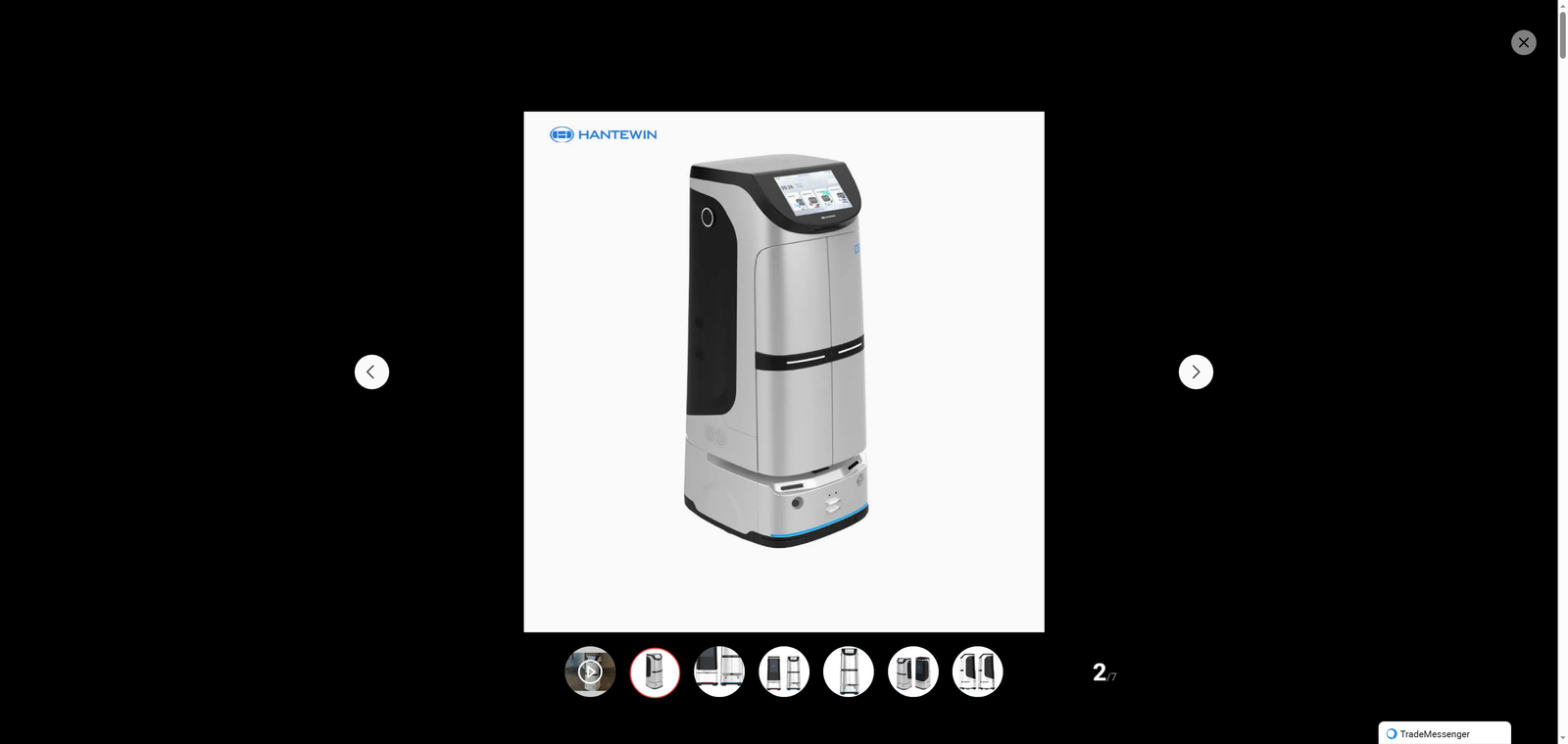
In the era of digital transformation, the hospitality and catering industries are undergoing a profound revolution driven by technological innovation. Among the emerging technologies, smart delivery robots have emerged as a game-changer, redefining the way services are delivered in hotels and restaurants. These intelligent machines, equipped with advanced navigation systems, sensors, and AI algorithms, are no longer just a novelty—they have become indispensable tools for enhancing operational efficiency, improving customer experience, and reducing labor costs. This article explores the application of smart delivery robots in hotels and restaurants, analyzing their core values, current practices, and future development trends.
The Core Advantages of Smart Delivery Robots in Hospitality and Catering
The wide adoption of smart delivery robots in hotels and restaurants is attributed to their unique advantages that address the long-standing pain points of the industry. Unlike traditional manual services, these robots offer consistent, efficient, and cost-effective solutions, bringing multi-dimensional improvements to business operations.
Enhancing Operational Efficiency
In restaurants, the peak hours often lead to a backlog of orders, with waiters struggling to deliver food to tables in a timely manner. Smart delivery robots can operate 24/7 without fatigue, efficiently shuttling between the kitchen and dining areas. Equipped with path planning algorithms, they can automatically avoid obstacles—whether it’s a crowded dining hall or a sudden movement of customers—and take the optimal route to deliver food. This not only shortens the delivery time but also reduces the workload of waiters, allowing them to focus on more value-added services such as customer consultation and order taking.
In hotels, robots play a similar role in streamlining services. From delivering room service (such as meals, water, and toiletries) to transporting luggage for guests, robots can complete these repetitive tasks quickly and accurately. For example, when a guest places a room service order via the hotel app, the robot receives the instruction immediately, picks up the items from the kitchen or front desk, and navigates to the designated room using elevator integration technology. This process eliminates the need for guests to wait for a long time and improves the overall service efficiency of the hotel.
2. Reducing Labor Costs and Alleviating Labor Shortages
Labor shortage has long been a major challenge for the hospitality and catering industries. High turnover rates, rising labor costs, and the difficulty in recruiting young workers have put great pressure on business operations. Smart delivery robots provide an effective solution to this problem. By replacing manual labor in repetitive delivery tasks, robots can significantly reduce the number of front-line staff required. For small and medium-sized restaurants or budget hotels, investing in one or two delivery robots can save a considerable amount of labor expenses every month, while ensuring service quality is not compromised.
Moreover, robots do not require rest, holidays, or training costs, and their maintenance costs are relatively low compared to long-term labor expenses. This makes them a cost-effective choice for businesses looking to optimize their operational costs and improve profitability.
3. Improving Customer Experience and Service Quality
In today’s consumer-centric market, customer experience is the key to winning competitive advantages. Smart delivery robots bring a novel and interesting experience to guests, leaving a deep impression on them. For example, when a robot delivers food to the table in a restaurant, it can interact with customers through voice prompts (such as “Your meal is here, please enjoy”) or cute actions, adding a fun element to the dining experience. This not only enhances customer satisfaction but also encourages them to share their experience on social media, bringing free publicity to the business.
In addition, robots ensure the consistency and hygiene of services. Unlike humans, robots will not make mistakes due to fatigue or mood, and they can strictly follow hygiene standards—for example, carrying food in sealed containers to avoid contamination. This is particularly important in the post-pandemic era, where customers pay more attention to food safety and hygiene. The use of robots can reduce human contact, minimizing the risk of cross-infection and reassuring customers.
Practical Applications of Smart Delivery Robots in Hotels and Restaurants
With the continuous advancement of technology, smart delivery robots have been widely applied in various scenarios of hotels and restaurants, showing strong adaptability and practicality. Here are some typical application cases:
Restaurant Food Delivery
In many chain restaurants and smart restaurants, delivery robots have become a common sight. When a customer places an order, the order information is automatically sent to the kitchen and the robot. After the chef prepares the food, the robot arrives at the kitchen window, and the staff places the food on the robot’s tray. The robot then navigates to the target table based on the order information, and sends a reminder to the customer. After the customer takes the food, the robot automatically returns to the kitchen to wait for the next task. Some advanced robots can even recognize empty trays and automatically return them to the kitchen for cleaning, further improving operational efficiency.
2. Hotel Room Service and Luggage Transportation
High-end hotels and boutique hotels are among the earliest adopters of delivery robots. For example, some five-star hotels use robots to deliver breakfast, snacks, and drinks to guests’ rooms. Guests can place orders through the in-room tablet, and the robot will arrive at the door within a few minutes, knocking on the door (or sending a message to the guest’s phone) to remind them. In addition, luggage-carrying robots can help guests transport their luggage from the lobby to their rooms, especially for guests with heavy luggage or families with children, which greatly enhances the convenience of the service.
3. Buffet and Café Scenarios
In buffets and cafés, robots are used to replenish food and drinks. For example, in a buffet restaurant, robots can automatically detect the stock of food in the buffet area and replenish it in a timely manner, reducing the workload of the service staff. In cafés, robots can deliver coffee and pastries to customers’ seats, allowing baristas to focus on making high-quality coffee. This not only improves service efficiency but also creates a unique smart atmosphere for the café.
Technological Support Behind Smart Delivery Robots
The stable and efficient operation of smart delivery robots relies on a variety of cutting-edge technologies, including navigation and positioning technology, sensor technology, AI and machine learning, and Internet of Things (IoT) technology.
Navigation and Positioning Technology
Navigation and positioning are the core functions of delivery robots. Currently, the mainstream navigation technologies used in robots include SLAM (Simultaneous Localization and Mapping), laser navigation, and visual navigation. SLAM technology allows robots to build a map of the environment in real-time while positioning themselves, enabling them to adapt to complex and dynamic environments such as crowded dining halls and hotel corridors. Laser navigation has high accuracy and stability, which can ensure that the robot moves along the planned route without deviation. Visual navigation uses cameras to capture environmental images for positioning, which is more cost-effective and suitable for small and medium-sized businesses.
2. Sensor Technology
Sensors are the “eyes” and “ears” of smart robots. Delivery robots are equipped with a variety of sensors, including infrared sensors, ultrasonic sensors, and camera sensors. These sensors can detect obstacles around the robot in real-time, such as customers, tables, and walls, and send signals to the control system to make the robot stop or detour in time. In addition, some sensors can also detect the weight and temperature of the items carried by the robot, ensuring that the food is delivered at the appropriate temperature and preventing items from falling.
3. AI and Machine Learning
AI and machine learning technologies enable robots to learn and adapt to the environment continuously. For example, through machine learning, robots can analyze the movement patterns of customers in the restaurant, predict their walking routes, and adjust their own movement plans to avoid collisions. In addition, AI technology can also realize voice interaction between robots and customers, allowing robots to answer simple questions from customers (such as “Where is the restroom?”) and improve the interactivity of the service.
4. IoT Technology
IoT technology realizes the connection between robots and the business management system. For example, in a restaurant, the robot is connected to the order management system, so that it can receive order information in real-time. In a hotel, the robot is connected to the hotel’s PMS (Property Management System) and elevator control system, enabling it to call elevators automatically and navigate to the designated room accurately. This seamless connection improves the integration of robots into the business operation process, making the service more efficient and smooth.
Challenges and Future Development Trends
Although smart delivery robots have brought many benefits to hotels and restaurants, they still face some challenges in practical application. First, the initial investment cost is relatively high. For small and medium-sized businesses with limited funds, purchasing smart robots may be a heavy burden. Second, the adaptability to complex environments needs to be improved. For example, in restaurants with narrow corridors or irregular layouts, robots may have difficulty navigating. Third, there is a lack of relevant industry standards and regulations, which may lead to problems such as liability disputes in case of accidents (such as robot collisions with customers).
Despite these challenges, the future of smart delivery robots in hotels and restaurants is promising. With the continuous progress of technology and the reduction of production costs, the price of robots will gradually decrease, making them more accessible to small and medium-sized businesses. At the same time, the technological level of robots will be further improved—for example, the integration of 5G technology will enable robots to have faster response speed and more stable connection; the application of AI will make robots more intelligent, able to handle more complex tasks such as customized service and customer complaint handling.
In addition, the integration of smart delivery robots with other technologies (such as big data and cloud computing) will become a trend. For example, through big data analysis, robots can predict customer needs and provide personalized services (such as recommending favorite dishes to regular customers). Cloud computing can realize the centralized management of multiple robots, allowing businesses to monitor the operation status of robots in real-time and optimize their work plans.
Conclusion
Smart delivery robots are transforming the automation level of hotels and restaurants with their unique advantages of high efficiency, cost-saving, and high-quality service. They not only solve the pain points of labor shortage and high cost in the industry but also bring a new smart experience to customers. With the continuous advancement of technology and the gradual maturity of the market, smart delivery robots will play an increasingly important role in the hospitality and catering industries, promoting the industry to move towards a more intelligent, efficient, and high-quality development direction. For businesses, embracing smart delivery robots is not only a response to technological innovation but also a strategic choice to enhance core competitiveness in the new era.