
Smart Automated Food Delivery Robot: Transforming Service Experience in Hotels and Restaurants
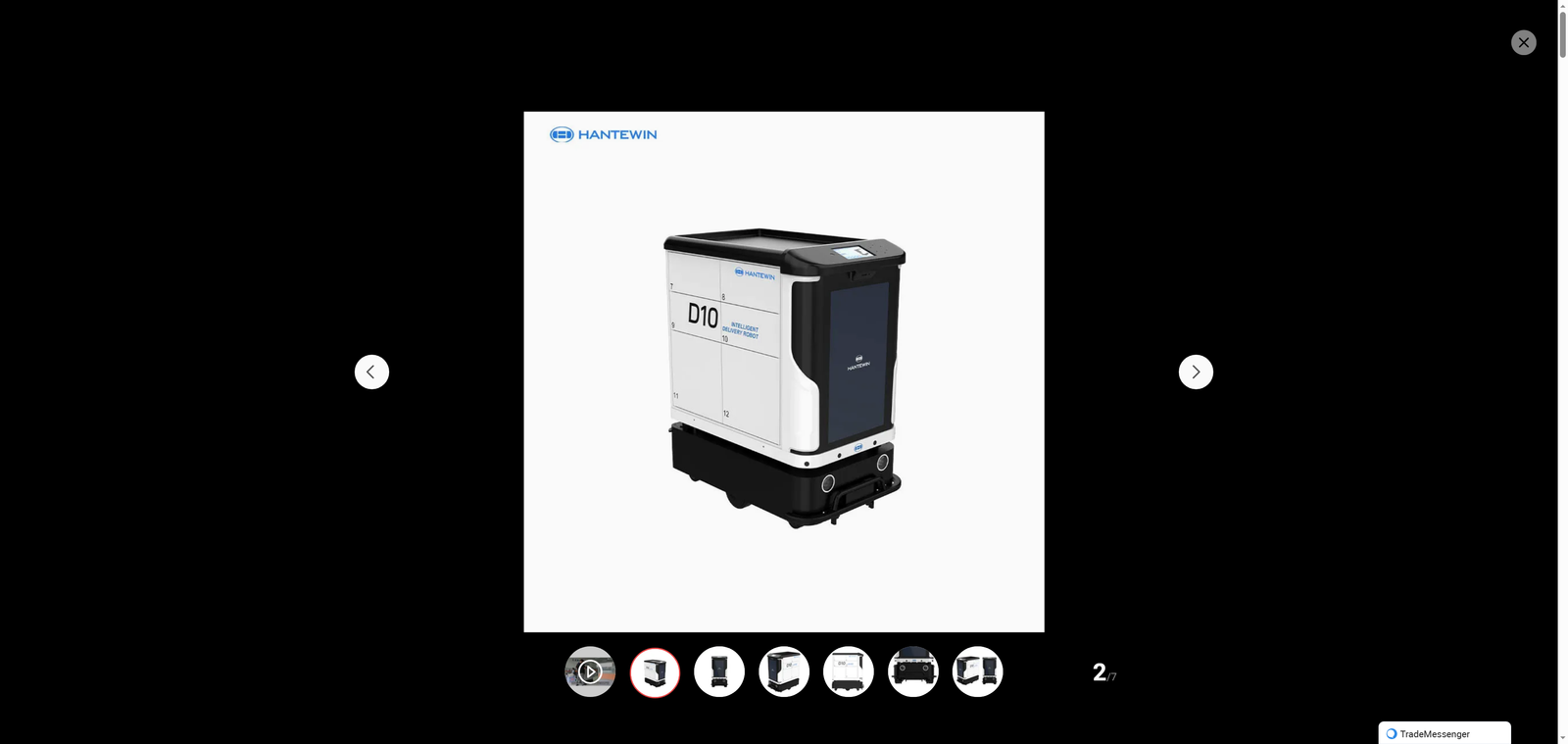
In the era of digital transformation, the hospitality and catering industries are undergoing a profound revolution driven by smart technology. Among the emerging innovations, smart automated food delivery robots have emerged as a game-changer, redefining the efficiency, quality and safety of food service in hotels and restaurants. These intelligent machines, equipped with advanced navigation, sensing and control systems, are no longer just novel gadgets but indispensable partners that bridge the gap between operational needs and customer expectations. From bustling restaurant halls to elegant hotel lobbies, they are quietly changing the way services are delivered, bringing a new wave of intelligence to the traditional service industry.
The rise of smart food delivery robots is closely linked to the pain points faced by hotels and restaurants in their daily operations. In recent years, the catering and hotel industries have been plagued by problems such as labor shortages, high labor costs, uneven service quality and difficulty in ensuring food safety during delivery. For restaurants, especially those with large passenger flow during peak hours, waiters often struggle to cope with order taking, food delivery and table clearing at the same time, leading to delayed food delivery, wrong orders and other issues that affect customer experience. In hotels, room service delivery requires 24-hour coverage, and the high labor intensity makes it difficult to maintain consistent service standards. Smart automated food delivery robots perfectly solve these problems: they can work continuously for 24 hours without fatigue, accurately complete food delivery tasks with zero error, and significantly reduce the labor burden of the venue.
The core competitiveness of smart food delivery robots lies in their advanced technical support, which ensures stable and efficient operation in complex environments such as hotels and restaurants. First of all, in terms of navigation and positioning, most robots adopt a multi-sensor fusion technology, integrating laser radar, visual cameras, ultrasonic sensors and other devices. This allows them to quickly map the venue, accurately identify obstacles (such as pedestrians, tables and chairs) and plan the optimal delivery route. Even in crowded dining halls or narrow hotel corridors, they can flexibly avoid obstacles and reach the target location smoothly. Secondly, in terms of intelligent interaction, modern food delivery robots are equipped with voice recognition, touch screen and QR code scanning functions. Customers can take food by scanning the code or confirming through the touch screen, and can also interact with the robot through voice commands, such as inquiring about dish information or calling for service. For hotel scenarios, the robot can even connect to the hotel's PMS system, automatically receive room service orders, and deliver meals to the designated room door accurately, realizing a fully automated service closed loop.
In addition to improving operational efficiency, smart food delivery robots also bring significant upgrades to customer experience and food safety. For customers, the appearance of the robot is cute and friendly, which adds a sense of fun and technology to the dining or accommodation experience. Children are often attracted by the robot's movements and interactions, and adults also like to take photos and share this novel experience, which indirectly enhances the popularity and reputation of the venue. In terms of food safety, the robot's food delivery compartment is made of food-grade materials, which is easy to clean and disinfect. During the delivery process, the compartment is closed to avoid contact with external personnel, reducing the risk of food contamination. Compared with manual delivery, robots can better ensure the hygiene and safety of food from the kitchen to the customer's table or hotel room, which is particularly important in the context of increasing attention to public health.
The application of smart food delivery robots in hotels and restaurants is not a replacement for human services, but a complementary and upgrading of the service system. Many people worry that the popularity of robots will lead to a large number of layoffs, but in fact, the emergence of robots has freed waiters from tedious and repetitive food delivery work, allowing them to focus more on providing high-value services such as customer consultation, dish introduction and emotional communication. For example, in a restaurant, after the robot takes over the food delivery task, waiters can spend more time communicating with customers, understanding their needs and feedback, and improving customer satisfaction. In hotels, room attendants can focus on cleaning and arranging rooms, while the robot is responsible for food and daily necessities delivery, forming a "human-machine collaboration" service model that maximizes service efficiency and quality.
Looking to the future, smart automated food delivery robots will have more room for development and upgrading with the continuous progress of technologies such as artificial intelligence, the Internet of Things and 5G. In terms of function expansion, future robots may be equipped with more advanced functions, such as automatic order taking, table cleaning, and even simple food processing, becoming a multi-functional intelligent service terminal. In terms of scene adaptation, they will be more customized to meet the needs of different types of hotels and restaurants - for example, high-end hotels may need robots with more elegant appearance and personalized service functions, while fast-food restaurants may pay more attention to the robot's delivery speed and load capacity. In addition, with the development of the sharing economy, the mode of robot leasing may become more popular, helping small and medium-sized catering and hotel businesses reduce the cost of intelligent transformation.
However, the popularization of smart food delivery robots also faces some challenges. On the one hand, the initial investment cost of robots is relatively high, which may bring certain economic pressure to small and medium-sized venues. On the other hand, the maintenance and after-sales service of robots require professional technical personnel, and some venues may lack relevant support capabilities. In addition, in some scenarios that require high emotional interaction, robots still cannot fully replace human services. Therefore, for hotels and restaurants, the introduction of smart food delivery robots needs to be combined with their own operational needs and actual conditions, and a reasonable human-machine collaboration plan should be formulated to maximize the value of intelligent equipment.
In conclusion, smart automated food delivery robots have become an important driving force for the intelligent transformation of hotels and restaurants. They not only solve the practical operational pain points of the industry, improve efficiency and reduce costs, but also bring a new service experience to customers and promote the upgrading of food safety. With the continuous maturity of technology and the continuous optimization of the industrial chain, these intelligent robots will play a more important role in the hospitality and catering industries, helping the industry move towards a more efficient, intelligent and high-quality development path. In the new era of human-machine collaboration, hotels and restaurants that actively embrace this technological change will surely gain more competitive advantages and achieve sustainable development.