
Advanced Hotel Air Purifier and Disinfection Robot Cleaner: Redefining Hygiene Standards in Hospitality
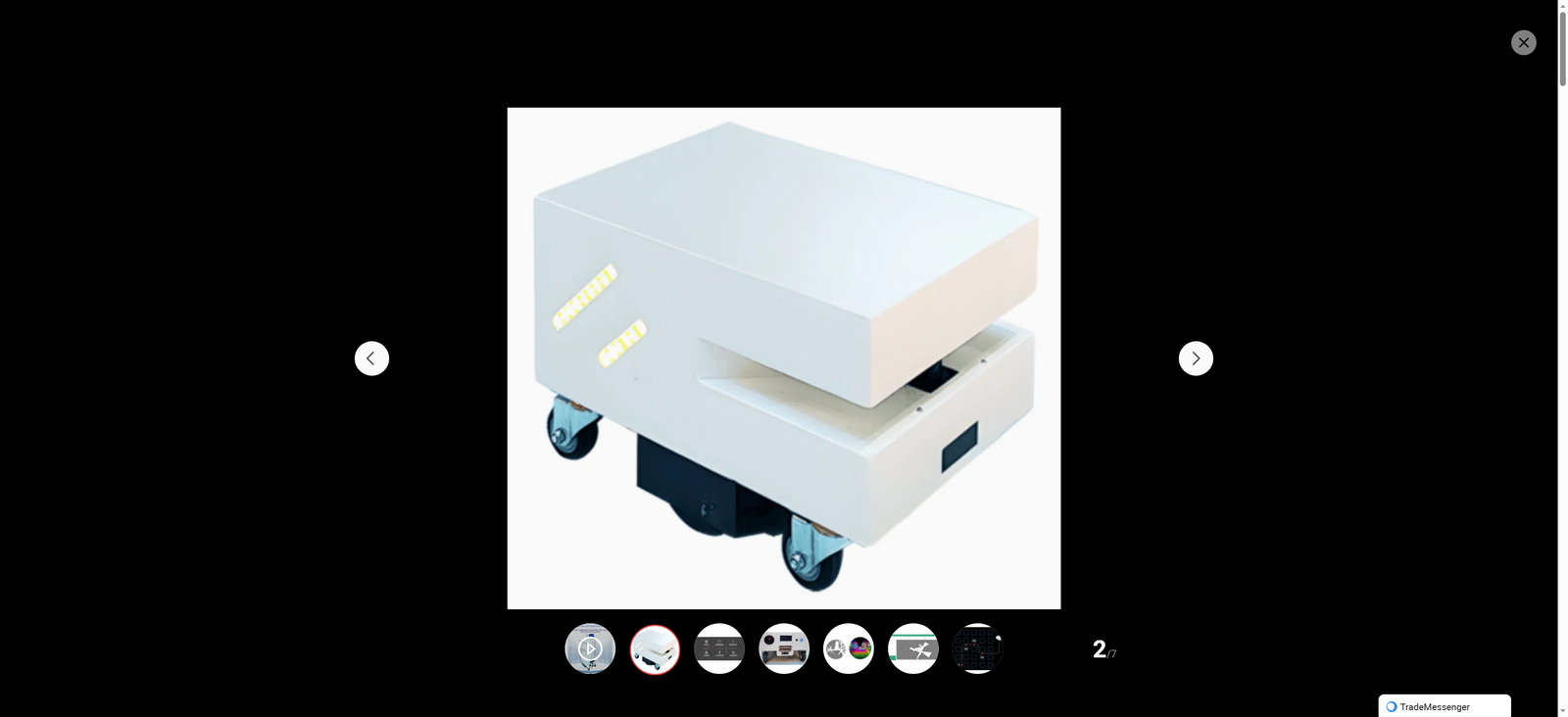
In the post-pandemic era, hygiene and air quality have transcended from optional amenities to non-negotiable priorities for hotels worldwide. Today’s travelers, whether for business or leisure, increasingly prioritize accommodations that demonstrate a rigorous commitment to health and safety. Against this backdrop, the advanced hotel air purifier and disinfection robot cleaner have emerged as transformative solutions, merging cutting-edge technology with practical functionality to safeguard guests and staff, while elevating the overall hospitality experience. These intelligent devices are not just tools for cleaning—they are strategic investments that enhance brand reputation, reduce operational costs, and set new benchmarks for hygiene excellence in the hospitality industry.
The advanced hotel air purifier and disinfection robot cleaner differ fundamentally from traditional cleaning equipment, thanks to their integration of multi-functional technology and autonomous operation. Unlike manual cleaning, which is prone to human error and inconsistent results, these robots combine air purification and surface disinfection into a single, efficient workflow, ensuring comprehensive coverage across every corner of a hotel—from guest rooms and lobbies to conference halls, restaurants, and elevator cabins. This dual functionality addresses two critical pain points for hoteliers: maintaining pristine air quality and eliminating harmful pathogens that linger on high-touch surfaces, both of which are essential for building guest trust.
At the core of these advanced robots lies a suite of innovative technologies designed to deliver medical-grade hygiene without compromising guest comfort. For air purification, top-tier models incorporate high-efficiency filtration systems, such as HEPA H13 or H14 filters, which capture 99.97% of airborne particles as small as 0.3 microns—including dust, pollen, allergens, and airborne viruses like SARS-CoV-2 and influenza—as well as activated carbon filters to eliminate odors from cleaning products, smoke, and food residue . Some advanced units go a step further, adopting bipolar ionization or real-time赋能高压电场 technology to neutralize volatile organic compounds (VOCs) and inactivate airborne pathogens, all while ensuring zero ozone emissions for safe human exposure . This means guests can enjoy fresh, clean air throughout their stay, reducing the risk of allergies, respiratory discomfort, and cross-contamination.
For surface disinfection, the robots utilize a combination of proven methods to achieve thorough, chemical-free or low-chemical sanitization. Many models feature dual disinfection technologies—ultraviolet-C (UV-C) light and super dry mist spraying—to ensure 360°无死角消杀 . UV-C light effectively inactivates up to 99.999% of viruses, bacteria, and fungi on surfaces, including drug-resistant strains like MRSA and C. diff, while super dry mist spraying dispenses EPA-approved, non-toxic disinfectants (such as hydrogen peroxide or hypochlorite) in a fine mist that adheres to surfaces without leaving streaks or moisture . Importantly, these robots are equipped with intelligent human detection sensors: if a guest or staff member enters the disinfection area, the robot automatically pauses its operation to avoid exposure to UV light or disinfectant, ensuring safety at all times .
Autonomy is another key advantage of the advanced hotel air purifier and disinfection robot cleaner, making it a game-changer for hotel operations. Equipped with laser navigation (LiDAR SLAM) or visual navigation (Visual SLAM) systems, the robots can autonomously map their environment, plan optimal cleaning routes, and navigate around obstacles such as furniture, luggage, or guests with precision . They can be programmed to operate during off-peak hours—such as overnight or between guest check-out and check-in—to avoid disrupting guests, and many support multi-machine collaboration, allowing hoteliers to deploy multiple robots simultaneously for larger spaces, with cloud-based scheduling and real-time status monitoring . Additionally, features like automatic recharging, large disinfectant capacity (18L-21L in some models), and long battery life (4-8 hours of continuous operation) ensure the robots can complete their tasks without frequent human intervention . This autonomy not only reduces the workload on cleaning staff but also minimizes human error, ensuring consistent hygiene standards across the entire hotel.
Beyond hygiene, these advanced robots offer significant operational and strategic benefits for hoteliers. Labor costs are a major expense in the hospitality industry, and cleaning staff often spend hours on repetitive tasks like vacuuming, mopping, and disinfecting. By automating these processes, the robot cleaners free up staff to focus on higher-value tasks—such as personalized guest service, room detailing, and maintenance—improving staff productivity and job satisfaction . Studies have shown that these robots can reduce disinfection costs by up to 80% and cut staff sick days by 15-20% by minimizing their exposure to harmful pathogens and chemicals . Furthermore, the robots can generate detailed disinfection reports, providing hoteliers with tangible proof of their hygiene efforts—proof that can be shared with guests to enhance transparency and build trust .
The impact of these robots on guest experience and brand reputation cannot be overstated. In today’s competitive hospitality landscape, hotels that prioritize health and safety stand out from the crowd. By investing in advanced air purifier and disinfection robot cleaners, hoteliers can market their properties as “health-conscious” or “hygiene-focused,” appealing to travelers who are willing to pay a premium for safer accommodations . Many leading hotel chains, including Hilton, Marriott, and锦江, have already adopted these robots to enhance their hygiene protocols, reporting improved guest satisfaction scores and positive reviews related to cleanliness and safety . For business travelers, in particular, the presence of these robots can provide peace of mind during meetings and events, knowing that the venue is taking every precaution to prevent cross-contamination.
As technology continues to evolve, the advanced hotel air purifier and disinfection robot cleaner are poised to become even more intelligent and versatile. Future models may integrate artificial intelligence (AI) to learn hotel layouts and guest patterns, optimizing cleaning schedules based on occupancy rates and high-traffic areas . They may also feature real-time air quality monitoring, displaying metrics like PM2.5 levels, VOC concentrations, and pathogen counts on a mobile app or in-hotel displays, allowing guests to track the air quality in real time . Additionally, advancements in battery technology and sensor accuracy will further improve the robots’ efficiency and coverage, making them an indispensable tool for hoteliers looking to stay ahead in a rapidly changing industry.
In conclusion, the advanced hotel air purifier and disinfection robot cleaner represent a paradigm shift in hospitality hygiene. By combining air purification and surface disinfection with autonomous operation and intelligent technology, these devices deliver medical-grade cleanliness, enhance guest safety and comfort, and streamline hotel operations. For hoteliers, investing in these robots is not just a response to post-pandemic demands—it is a long-term strategy to build brand loyalty, reduce costs, and redefine the standard of excellence in hospitality. As travelers continue to prioritize health and safety, these advanced robots will no longer be a luxury, but a necessity for hotels that aim to thrive in the modern hospitality landscape. In the quest to create a safe, welcoming environment for guests, the advanced hotel air purifier and disinfection robot cleaner are more than just cleaning tools—they are partners in success.