
In the fast-paced hospitality and F&B industries, efficiency, accuracy, and customer experience are the cornerstones of success. As labor shortages and operational costs continue to challenge restaurants and hotels worldwide, technological innovations have emerged as a game-changer. Among these, the self-driving indoor food delivery robot specifically designed for tray service has become a pivotal solution, redefining how food and beverages are transported from kitchens to diners’ tables. This advanced equipment not only addresses the pain points of traditional manual service but also injects a new level of intelligence and convenience into the customer experience.
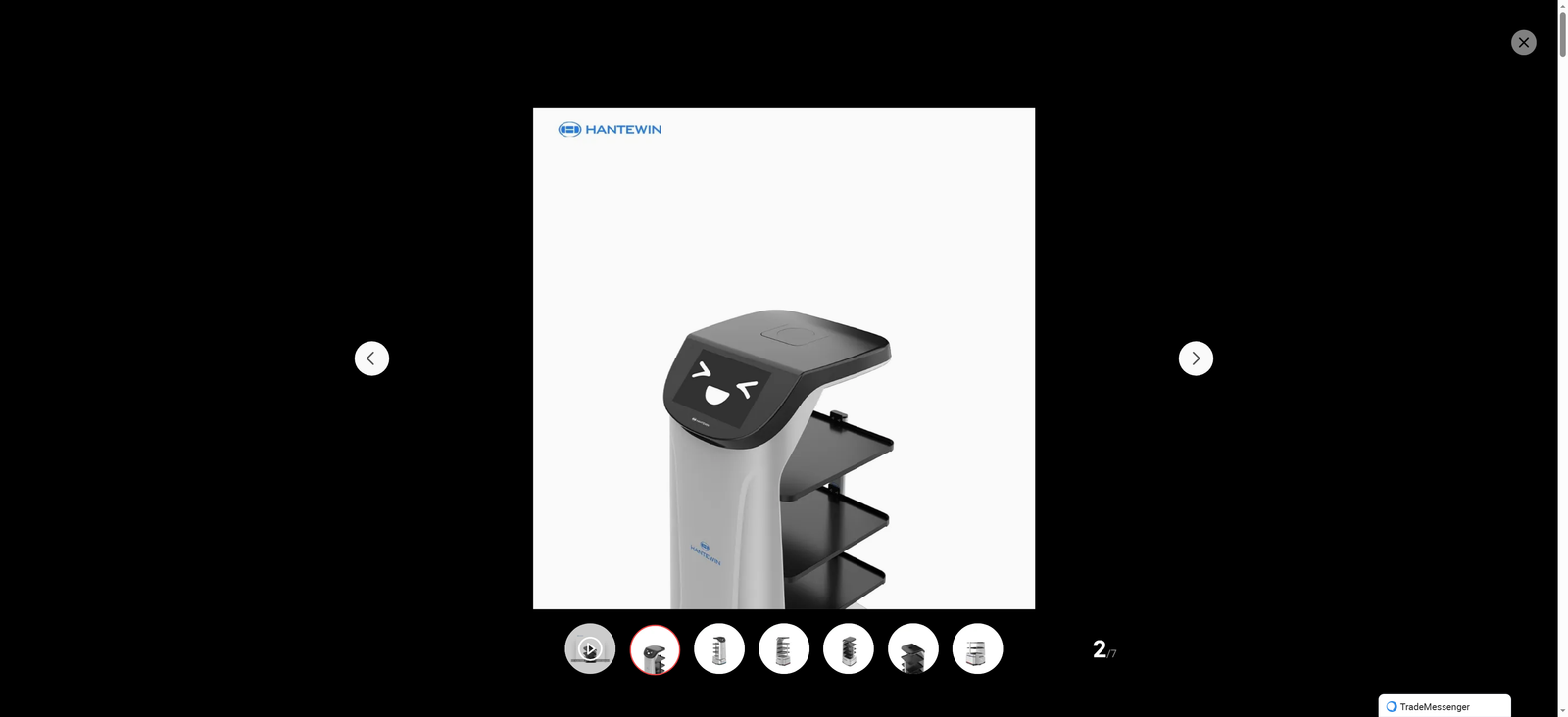
The core value of self-driving indoor food delivery robots lies in their ability to navigate complex indoor environments with precision and reliability. Unlike outdoor autonomous vehicles that face unpredictable weather and traffic conditions, indoor robots operate within controlled yet dynamic spaces—restaurants with narrow aisles, crowded dining areas, and frequent pedestrian movement; hotels with multi-floor layouts, elevators, and varying room corridors. To overcome these challenges, these robots are equipped with a suite of cutting-edge technologies. High-precision sensors, including LiDAR, cameras, and ultrasonic sensors, work in tandem to create a real-time 3D map of the surrounding environment, enabling the robot to detect obstacles such as diners, staff, or misplaced items. Advanced SLAM (Simultaneous Localization and Mapping) algorithms allow the robot to continuously update its position and path, ensuring smooth navigation even in dynamic environments. Additionally, integration with restaurant and hotel management systems enables the robot to receive orders, identify target tables or rooms, and optimize delivery routes, further enhancing operational efficiency.
For restaurants, self-driving tray service robots bring significant operational improvements. Traditional food delivery relies heavily on waitstaff, who often juggle multiple tasks—taking orders, delivering food, and handling customer inquiries—leading to potential delays, order mix-ups, or fatigue. By delegating tray delivery to robots, restaurants can free up waitstaff to focus on high-value customer interactions, such as providing personalized recommendations or addressing special requests. This not only improves service quality but also increases table turnover rate, as food is delivered more quickly and efficiently. Moreover, robots can work continuously without breaks, making them ideal for peak hours or late-night services when labor is scarce. For example, in busy buffet restaurants or fast-casual eateries, robots can seamlessly transport trays of food from the kitchen to serving stations, ensuring a steady supply of fresh dishes without straining the staff.
In the hotel industry, self-driving indoor food delivery robots elevate the guest experience by offering convenience, privacy, and 24/7 service. Guests often request in-room dining at various hours, and fulfilling these requests promptly can be a challenge for hotels, especially during off-peak shifts. With tray service robots, hotels can deliver meals, snacks, or beverages to guest rooms efficiently, without the need for human intervention. Robots can navigate through elevators (via integration with elevator control systems), recognize room numbers, and even notify guests via app notifications or in-room displays upon arrival. This not only ensures timely delivery but also respects guests’ privacy, as they no longer need to interact with staff if they prefer not to. Additionally, robots can be used for other tray-based services in hotels, such as delivering towels, toiletries, or laundry, further expanding their utility and value.
Beyond operational efficiency and customer experience, self-driving indoor food delivery robots also contribute to cost savings and safety. In the long run, investing in robots reduces labor costs, as hotels and restaurants can optimize their staff numbers and avoid overtime expenses. Robots also minimize the risk of food spills or accidents during delivery, as their precise navigation and stable tray design prevent collisions. Furthermore, in the post-pandemic era, contactless service has become a priority for many customers, and robots offer a hygienic solution by reducing human-to-human contact during food delivery. This not only meets customers’ health and safety expectations but also enhances the brand image of restaurants and hotels as forward-thinking and customer-centric.
Despite the numerous advantages, the widespread adoption of self-driving indoor food delivery robots still faces some challenges. The initial investment cost can be a barrier for small and medium-sized restaurants or hotels. Additionally, technical issues such as software glitches, sensor failures, or difficulties navigating extremely cluttered spaces may require regular maintenance and technical support. Moreover, some customers may prefer human interaction, and hotels and restaurants need to strike a balance between technological innovation and human touch. However, as technology advances and costs decrease, these challenges are gradually being addressed. Manufacturers are continuously improving robot design, reducing prices, and enhancing user-friendliness, making them more accessible to a wider range of businesses.
Looking to the future, self-driving indoor food delivery robots are poised to become an integral part of the restaurant and hotel industry. With the integration of artificial intelligence (AI) and machine learning, robots will become more intelligent—able to learn from past interactions, predict customer needs, and adapt to changing environments more effectively. They may also be equipped with additional features, such as voice recognition for customer communication, temperature control for hot or cold food, and even automatic tray cleaning. Furthermore, the integration of robots with other smart systems, such as inventory management and customer relationship management (CRM) systems, will create a more seamless and interconnected operational ecosystem for restaurants and hotels.
In conclusion, self-driving indoor food delivery robots for tray service are transforming the way restaurants and hotels operate, offering a perfect blend of efficiency, convenience, and safety. By leveraging advanced navigation technologies, these robots address labor shortages, reduce operational costs, and enhance customer experience. While challenges remain, the ongoing technological advancements and growing demand for smart service ensure that these robots will play an increasingly important role in the hospitality and F&B industries. As businesses continue to embrace digital transformation, self-driving indoor food delivery robots are not just a trend but a long-term investment in the future of service excellence.