
In the era of intelligent technology, the hotel industry is undergoing a profound transformation driven by innovation. Among the various technological applications, automatic charging food delivery robots and reception robots have emerged as game-changers, redefining the standards of hotel services. These intelligent devices not only enhance operational efficiency but also create a unique and convenient experience for guests, marking a new chapter in the integration of intelligence and hospitality.
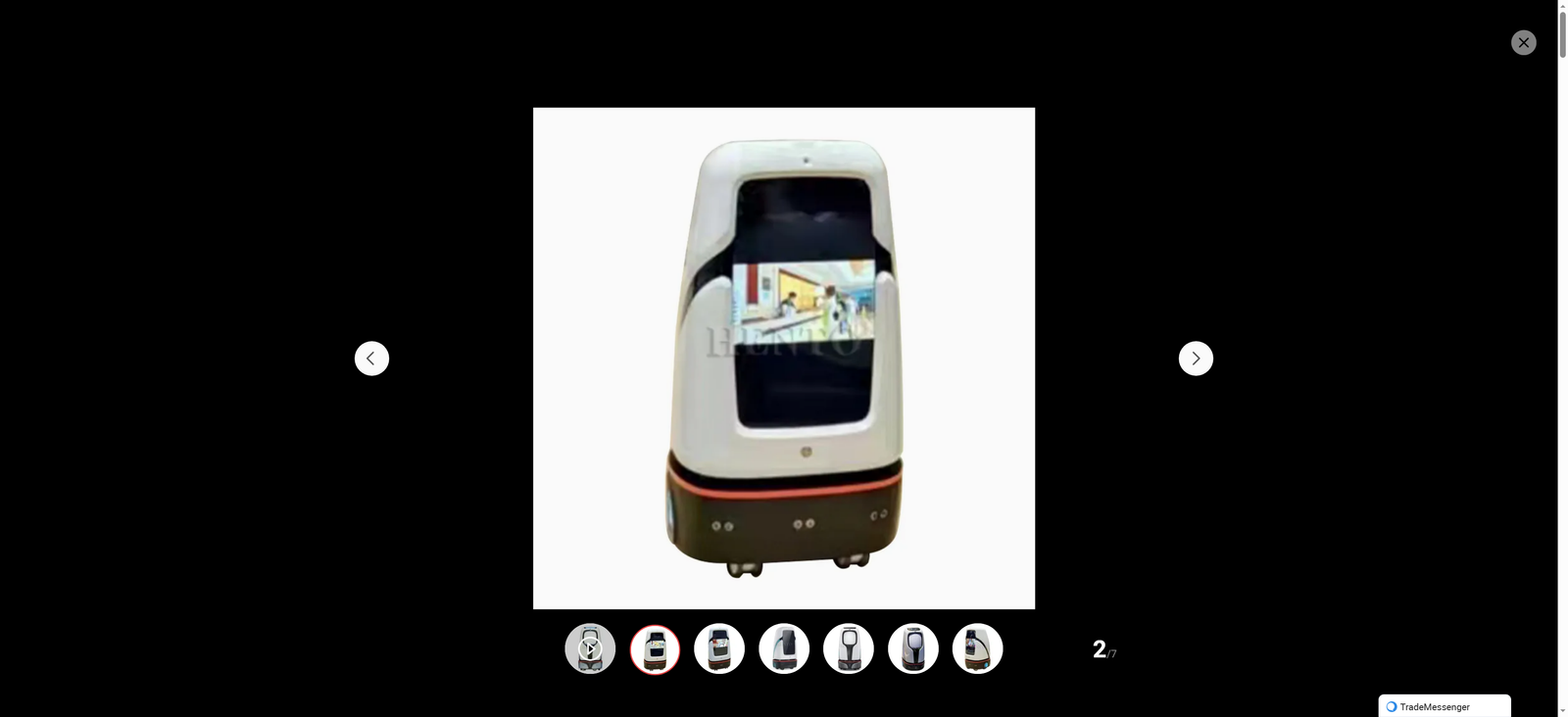
Hotel reception is the first point of contact between guests and the hotel, and it plays a crucial role in shaping the initial impression. Traditional reception services often face challenges such as long queues during peak hours, inconsistent service quality due to human factors, and limited service hours. Robot receptionists effectively address these pain points with their 24/7 availability and standardized service processes. Equipped with advanced voice recognition, natural language processing, and facial recognition technologies, these robots can greet guests warmly, answer common inquiries about hotel facilities, room types, and local attractions, and even assist with check-in and check-out procedures. For example, when a guest arrives at the hotel lobby, the reception robot can quickly identify the guest through facial recognition linked to the reservation system, verify relevant information, and issue room cards in a matter of minutes. This not only reduces the waiting time for guests but also relieves the workload of human staff, allowing them to focus on providing more personalized and high-value services.
Complementing the robot receptionists, automatic charging food delivery robots have become an indispensable part of hotel catering services. These robots are designed to navigate complex hotel environments autonomously, avoiding obstacles such as guests, luggage carts, and elevator doors with precision. One of their most notable advantages is the automatic charging function, which eliminates the need for manual intervention to recharge the robots. When the battery level is low, the robots can automatically return to the designated charging station, complete the charging process efficiently, and then resume their delivery tasks. This ensures uninterrupted service, even during busy periods such as breakfast, lunch, and dinner rushes.
The application of automatic charging food delivery robots brings multiple benefits to both hotels and guests. For guests, it means faster and more convenient food delivery. They can place orders through the hotel's mobile app or in-room control system, and the robot will deliver the food directly to their room door. The entire process is contactless, which is particularly important in the post-pandemic era as it reduces the risk of cross-infection and meets the growing demand for hygienic services. For hotels, these robots help reduce labor costs significantly. A single food delivery robot can replace multiple delivery staff, especially during peak hours, and there is no need to worry about issues such as staff fatigue or turnover. Additionally, the robots can collect valuable data on guest dining preferences, which hotels can use to optimize their catering menus and service strategies, further improving guest satisfaction.
The combination of automatic charging food delivery robots and reception robots also promotes the digitalization and intelligence of hotel operations. By connecting to the hotel's central management system, these robots can share real-time data, enabling hotel managers to monitor service processes, track robot status, and make data-driven decisions. For instance, if the reception robot detects a long queue of guests, it can send an alert to the management system, which can then dispatch additional human staff or adjust the check-in process to improve efficiency. Similarly, the food delivery robot can provide data on the most popular dishes, peak delivery times, and delivery efficiency, helping hotels optimize their catering operations and resource allocation.
As technology continues to advance, the capabilities of hotel robots will only become more powerful. Future iterations may include more advanced artificial intelligence (AI) algorithms that enable robots to provide even more personalized services, such as remembering guest preferences and offering customized recommendations. They may also be equipped with additional functions, such as delivering luggage, dry cleaning, or other hotel amenities. However, it is important to note that robots are not intended to replace human staff entirely. Instead, they are designed to complement human services, freeing up staff to focus on tasks that require emotional intelligence, empathy, and human connection, such as resolving complex guest issues, organizing special events, and providing personalized travel advice.
In conclusion, automatic charging food delivery robots and reception robots are revolutionizing the hotel industry by enhancing service efficiency, improving guest experiences, and optimizing operational processes. These intelligent devices are no longer just a novelty but a practical and necessary investment for hotels looking to stay competitive in the modern hospitality landscape. As the integration of intelligence and hospitality deepens, we can expect to see more innovative applications of robot technology in hotels, creating a more convenient, efficient, and personalized stay for guests around the world.