
Robots Revolutionizing Restaurant Services: The Rise of Food Delivery Machines and Robotic Deliveries
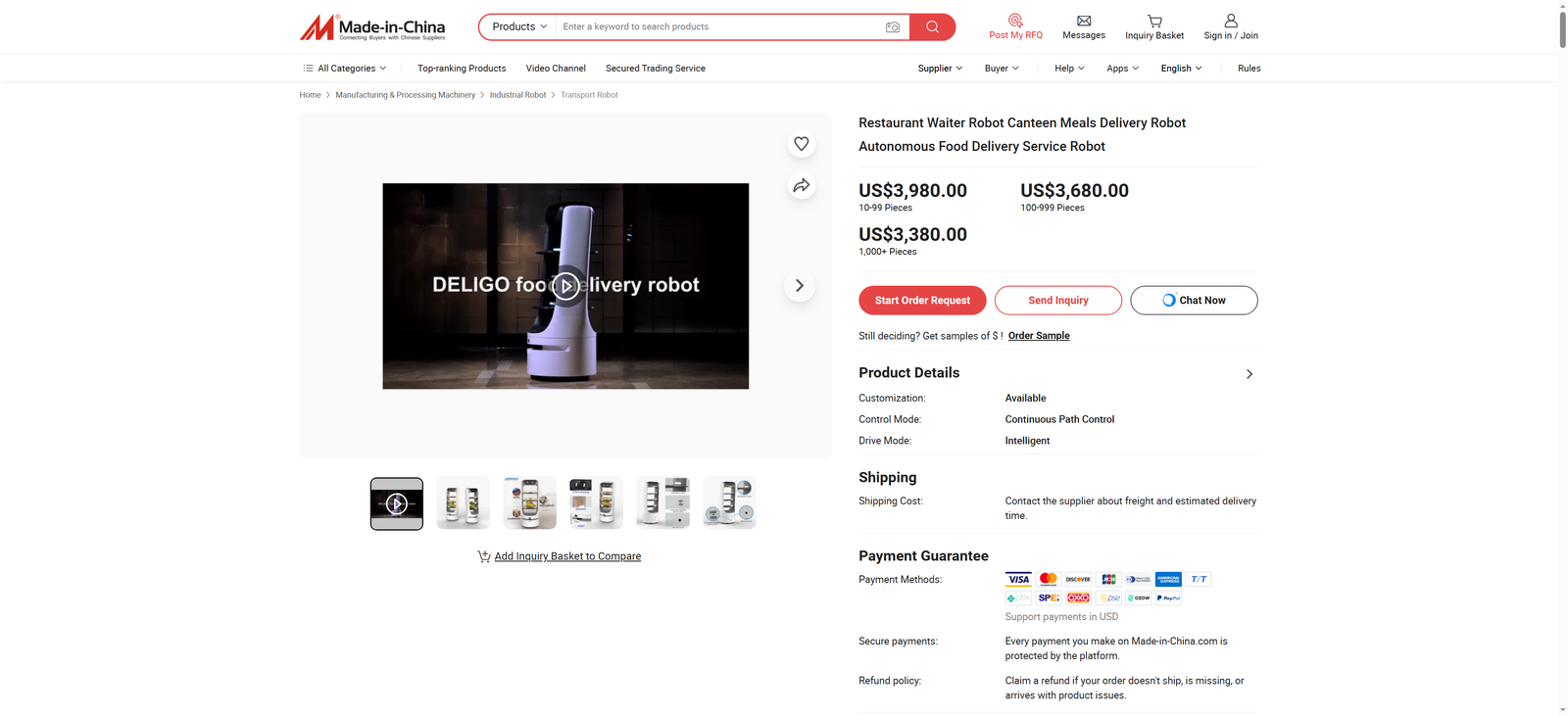
In an era of rapid technological advancement, the restaurant industry is undergoing a remarkable transformation, driven by the integration of cutting-edge automation. Among the most impactful innovations are robots serving in restaurants, food delivery machines, and robotic deliveries—technologies that are redefining efficiency, customer experience, and operational standards. Even familiar concepts like Postmate Robot have evolved, blending convenience with innovation to meet the growing demands of modern diners and restaurant owners alike.
Robots serving in restaurants are no longer a sci-fi fantasy but a tangible reality reshaping dining spaces worldwide. These versatile machines are designed to handle a range of tasks beyond mere food delivery, from greeting customers and leading them to their seats to delivering meals promptly and even collecting used dishes. Unlike traditional human servers, restaurant robots operate tirelessly, without fatigue or the need for breaks, making them invaluable assets during peak dining hours when demand surges. Equipped with advanced sensors, dynamic navigation systems, and intelligent避障 technology, these robots can move seamlessly through crowded dining halls, avoiding obstacles such as tables, chairs, and pedestrians, ensuring safe and efficient service. For instance, Orion Star’s restaurant robots can perform单点及多点配送 (single and multi-point delivery), collaborate with multiple machines simultaneously, and even send reminders to prevent incorrect dish pickup, significantly reducing human error.
At the heart of this transformation are food delivery machines, the workhorses of robotic deliveries in the restaurant industry. These specialized robots—often referred to as delivery bots or Postmate Robot variants—are engineered to streamline the food delivery process, both within the restaurant and for external orders. Unlike conventional delivery methods that rely on human couriers, food delivery machines offer unparalleled consistency and speed. They can be programmed to follow optimal routes, reducing delivery times and ensuring that meals arrive hot, fresh, and intact. In busy chain restaurants, a single delivery robot can complete up to 150 deliveries per day, transporting 400-600 dishes, which is equivalent to the workload of 2-3 human servers. This efficiency not only enhances customer satisfaction by minimizing wait times but also helps restaurant owners cut down on labor costs, a major challenge in the hospitality sector.
Robotic deliveries, powered by these advanced machines, are redefining the way food is served and received in restaurants. Whether it’s delivering a piping-hot pizza to a table in a bustling casual dining spot or transporting multiple orders to different tables in a large banquet hall, robotic deliveries ensure precision and timeliness. These systems often integrate with restaurant order management software, allowing real-time tracking of delivery status—both for staff and customers—thereby increasing transparency and reducing confusion. For example, in large theme park restaurants that serve thousands of customers daily, delivery robots can recover 2000-3000 used dishes per day, boosting table turnover rates and maintaining a clean dining environment. Even in high-end restaurants like Ba Nu Hot Pot, delivery robots have become a staple, attracting customers with their playful interactions while freeing up human staff to focus on personalized service.
The concept of Postmate Robot, which originated as a solution for last-mile food delivery, has also evolved to fit seamlessly into in-restaurant operations. Modern Postmate Robot variants are compact, agile, and equipped with user-friendly interfaces, allowing them to navigate tight spaces and interact with customers in a friendly manner. Some models can even engage in simple conversations, sing songs, or display promotional content, adding a fun and futuristic element to the dining experience. In chain restaurants like Xijia De, for example, greeting robots deployed at the entrance attract families with children through interactive dances and voice prompts, converting foot traffic into actual customers and reducing labor costs by taking over the work of one full-time employee each month.
While the rise of robots serving in restaurants and food delivery machines has sparked concerns about job displacement, the reality is far more balanced. These technologies are not designed to replace human servers but to complement them. By handling repetitive, time-consuming tasks—such as transporting dishes, collecting plates, and delivering orders—robots allow human staff to focus on tasks that require empathy, creativity, and personal interaction, such as taking custom orders, recommending dishes, and ensuring customer satisfaction. This synergy between humans and robots has proven to be highly effective: restaurants using robotic deliveries report higher customer satisfaction scores, lower operational costs, and reduced employee burnout, as staff are no longer burdened by tedious physical labor.
Looking ahead, the future of robotic deliveries and restaurant service robots is promising. Advancements in artificial intelligence, machine learning, and sensor technology will make these machines even more intelligent, adaptable, and versatile. Future models may be able to recognize customer preferences, adjust their routes in real time based on crowd density, and even handle more complex tasks like preparing simple food items. According to industry reports, the global restaurant delivery robot market is expected to grow at a compound annual growth rate of 23.84%, reaching $95.0 billion by 2032, a testament to the growing adoption and potential of these technologies. As more restaurants embrace this revolution, robots will become an integral part of the dining experience, blending efficiency with innovation to create a more enjoyable, seamless, and sustainable future for both restaurants and diners.
In conclusion, robots serving in restaurants, food delivery machines, robotic deliveries, and modern Postmate Robot variants are transforming the restaurant industry for the better. They offer a win-win solution: restaurant owners benefit from reduced costs and increased efficiency, while customers enjoy faster service, a more engaging dining experience, and greater convenience. As technology continues to advance, these robots will become even more sophisticated, solidifying their place as essential tools in the hospitality sector. The era of robotic restaurant service is here, and it’s reshaping the way we dine—one delivery at a time.