
Robotic Waiters for Hotels: Reducing Costs and Boosting Operational Efficiency
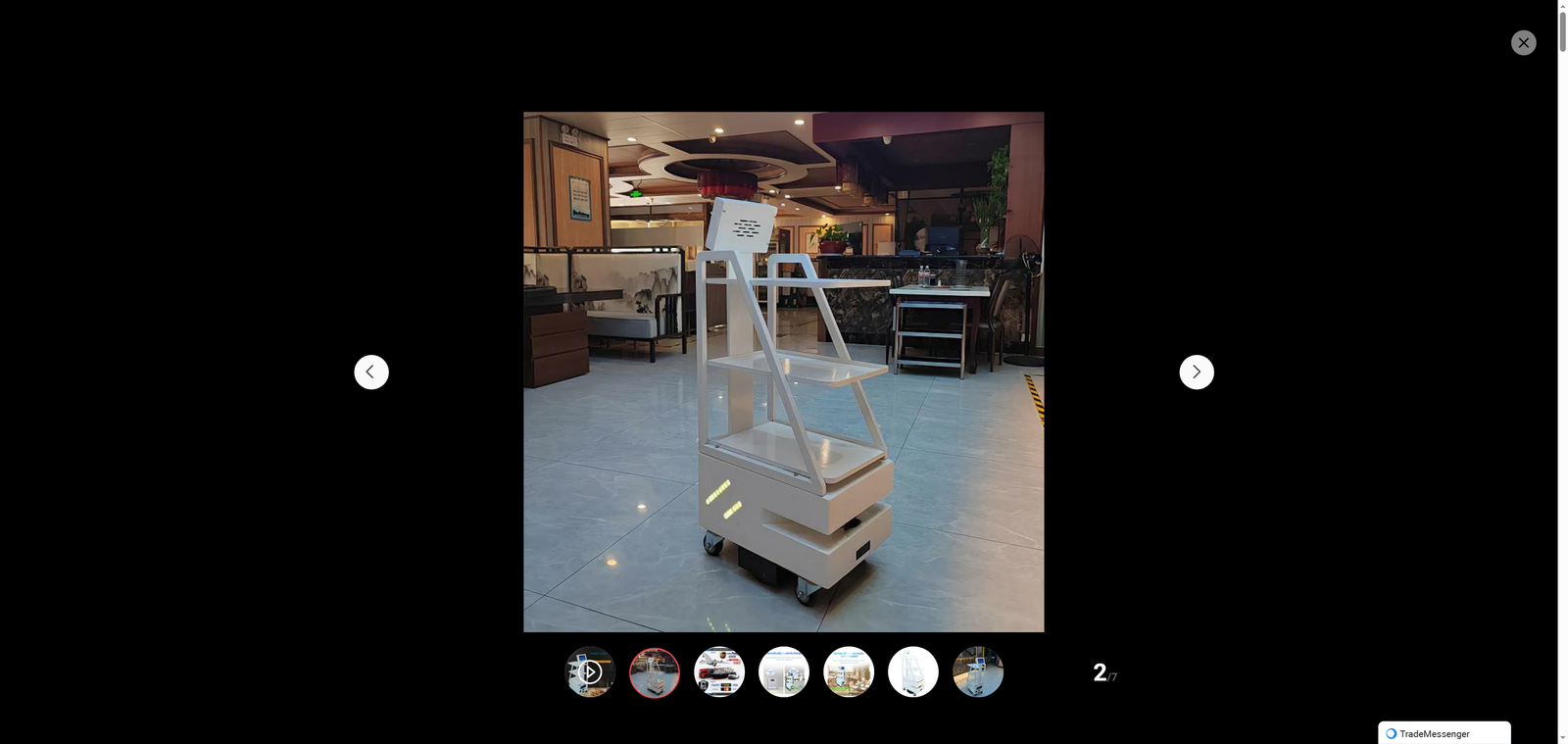
In the era of rapid technological advancement, the hotel industry, a pillar of the service sector, is undergoing a profound transformation driven by intelligence. Among the various innovative technologies, robotic waiters and delivery robots have emerged as game-changers, redefining the way hotels operate. These intelligent devices are not merely novel additions to hotel lobbies and corridors; they are powerful tools that effectively reduce operational costs and significantly improve service efficiency, injecting new vitality into the sustainable development of the hotel industry.
The rising labor costs have long been a heavy burden for the hotel industry. From recruitment and training to salary payments and welfare guarantees, the human resource input for traditional waiters accounts for a large proportion of the hotel’s total operational expenses. Moreover, the high turnover rate of the service industry further increases the hidden costs of repeated recruitment and training. Robotic waiters perfectly address this pain point. Once put into use, they only require one-time investment in procurement and regular maintenance, with no need for monthly salaries, social security contributions, or other long-term labor costs. Unlike human employees, robotic waiters do not experience fatigue, emotional fluctuations, or turnover, ensuring stable and continuous service output. For mid-to-high-end hotels with large service areas and high customer flow, the cost-saving effect of deploying robotic waiters becomes even more prominent. In the long run, the investment in robotic waiters can be quickly recovered through reduced labor costs, bringing substantial economic benefits to hotels.
Beyond cost reduction, robotic waiters also greatly improve the operational efficiency of hotels, creating a more efficient and smooth service experience for both customers and hotel management. Traditional human waiters are often faced with multiple tasks such as meal delivery, luggage handling, room service, and information consultation, which easily leads to delays and omissions during peak hours, affecting customer satisfaction. Robotic waiters, equipped with advanced navigation systems, sensors, and intelligent control modules, can accurately identify routes, avoid obstacles, and complete assigned tasks with high precision and speed. For example, a delivery robot can quickly deliver meals from the restaurant to the customer’s room according to the set route, without being affected by elevator waits or crowd congestion. It can also automatically return to the restaurant after completing the task, preparing for the next service. This not only reduces the workload of human waiters, allowing them to focus on more personalized and high-value services such as customer communication and experience optimization but also shortens the service cycle, enabling customers to receive timely responses to their needs.
The application of robotic waiters also helps hotels optimize their service processes and improve management efficiency. Through the background management system, hotel staff can real-time monitor the working status, task progress, and location of each robotic waiter, and reasonably assign tasks according to the actual service needs. This centralized management model avoids the chaos of manual task assignment, improves the rational allocation of service resources, and reduces management costs. In addition, robotic waiters can record service data in real-time, such as the number of tasks completed, average service time, and customer feedback. These data provide valuable references for hotels to analyze service bottlenecks, optimize service processes, and make business decisions, promoting the scientific and refined management of hotels.
It is worth noting that the popularization of robotic waiters does not mean replacing human services, but rather complementing and enhancing them. Robotic waiters are more suitable for repetitive, tedious, and high-intensity mechanical tasks, while human services excel in emotional communication, personalized care, and emergency handling. The combination of robotic waiters and human employees can form a "1!>2" service effect: robotic waiters ensure the efficiency and stability of basic services, while human employees provide warm and personalized services, creating a more comprehensive and high-quality service experience for customers. For example, when a customer has special dietary needs or emotional complaints, human waiters can provide in-depth communication and solutions, while robotic waiters can efficiently complete the delivery of meals and daily necessities, achieving the perfect integration of intelligence and humanization.
With the continuous progress of artificial intelligence and robotics technology, robotic waiters for hotels are constantly upgrading their functions, becoming more intelligent, flexible, and humanized. From single-function delivery robots to multi-functional robotic waiters that can provide information consultation, guide routes, and even interact with customers, their application scenarios are constantly expanding, bringing more possibilities to the hotel industry. In the future, as the cost of robotic technology decreases and the level of intelligence increases, robotic waiters will become a standard configuration in more hotels, promoting the hotel industry to move towards a more intelligent, efficient, and low-cost development path.
In conclusion, robotic waiters and delivery robots have become an important driving force for the transformation and upgrading of the hotel industry. By reducing labor costs, improving service efficiency, optimizing management processes, and enhancing customer experience, they bring multiple benefits to hotels. In the wave of intelligence, hotels that actively embrace robotic technology will gain a competitive advantage in the fierce market competition, achieving sustainable development. The era of intelligent hotel services led by robotic waiters has arrived, and it will continue to reshape the service ecology of the hotel industry and write a new chapter of high-quality development.