
Popular Smart Service Intelligent Delivery Robot: Redefining Efficiency in Hotels and Hospitals with 10-Hour Long Battery Life
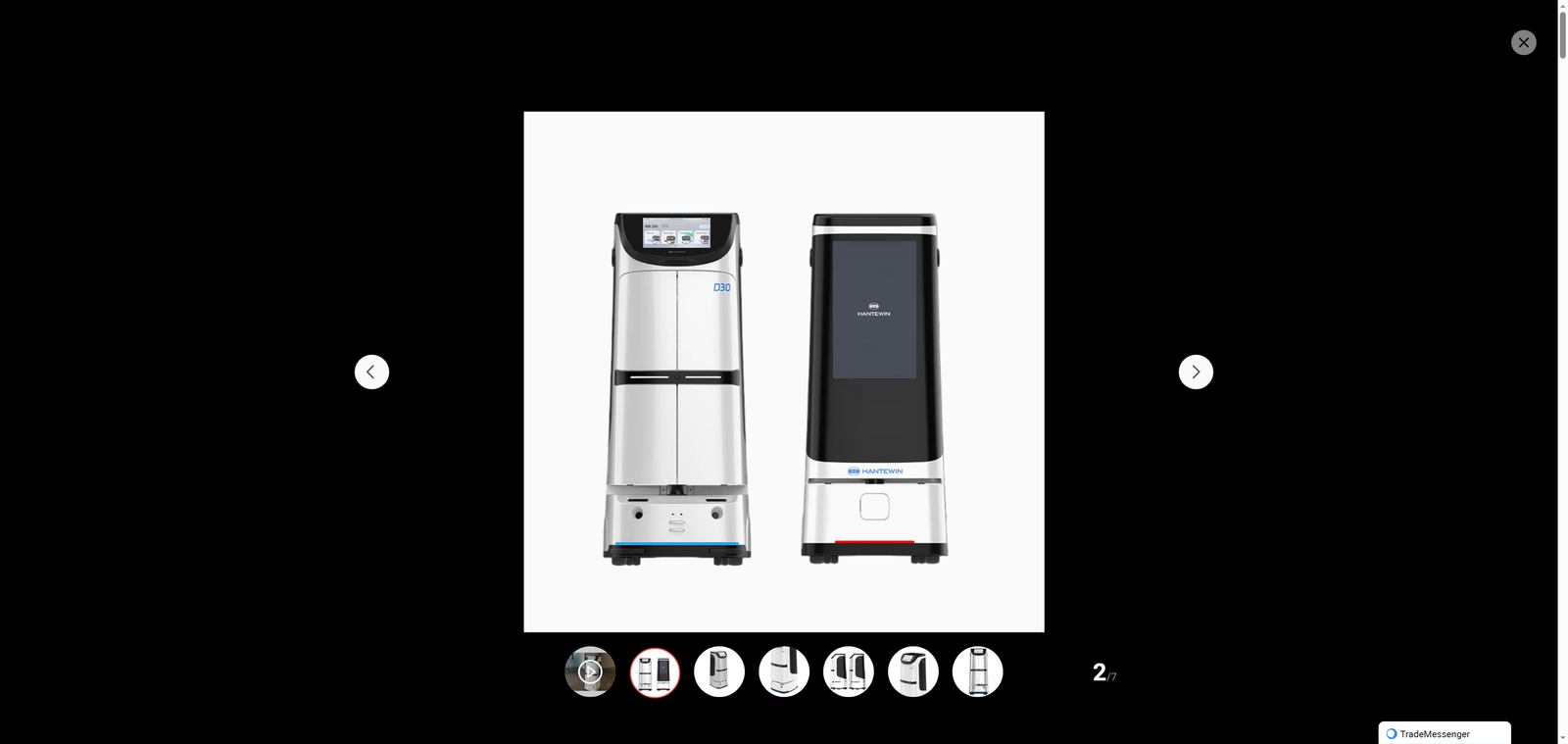
In the era of rapid digital transformation, smart service robots have gradually become a key force in optimizing service efficiency and upgrading user experience in public scenarios such as hotels and hospitals. Among them, the intelligent delivery robot, with its stable performance, humanized design and long-lasting battery life, has quickly gained popularity in the market, becoming an indispensable "smart partner" in hotels and hospitals. Especially equipped with a 10-hour continuous working battery, this type of robot breaks through the limitations of short battery life in traditional service robots, perfectly meets the high-frequency and long-duration delivery needs of hotels and hospitals, and injects new vitality into the intelligent upgrading of the two industries.
For hotels, a high-quality service experience is the core of enhancing customer satisfaction and brand competitiveness. In the past, the delivery of room service such as towels, mineral water, and takeaways relied entirely on hotel attendants. Not only did it take a long time for the service to arrive, but it also occupied a lot of human resources, especially during peak check-in periods, it was easy to appear busy and chaotic, resulting in a decline in service quality. The emergence of intelligent delivery robots has completely changed this situation. With advanced navigation and positioning technology, the robot can accurately identify the hotel layout, automatically avoid obstacles, and smoothly reach any designated guest room floor and door. Guests only need to place an order through the room phone or WeChat mini-program, and the robot can complete the delivery task efficiently, which not only shortens the service response time but also reduces the labor pressure of the hotel.
The 10-hour long battery life is a key advantage that makes this robot stand out in hotel scenarios. A standard hotel usually operates 24 hours a day, and the delivery demand is concentrated in the morning, noon, evening and other peak periods. The 10-hour continuous working capacity means that the robot can meet the high-frequency delivery needs of the hotel during the peak service period without frequent charging. Even in large-scale hotels with hundreds of guest rooms, the robot can still maintain stable operation, continuously providing efficient delivery services for guests. Compared with traditional delivery robots with 4-6 hours of battery life, which need to be charged 2-3 times a day, this robot greatly improves the service efficiency and reduces the management cost of the hotel.
In hospital scenarios, the importance of intelligent delivery robots is even more prominent. Hospitals are places with dense personnel and frequent material circulation. The delivery of medical supplies such as drugs, test reports, medical consumables, and daily necessities for patients is a heavy and urgent task. In the past, these tasks were mostly undertaken by nurses or logistics personnel. On the one hand, it distracted the energy of medical staff, making them unable to focus more on patient diagnosis and treatment; on the other hand, manual delivery is prone to errors such as wrong delivery and delayed delivery, which may affect the progress of diagnosis and treatment. The intelligent delivery robot, with its high stability and high accuracy, has become a reliable helper for hospital logistics.
The 10-hour battery life is particularly critical in hospital scenarios. Hospitals have no obvious off-peak periods for material delivery. From the distribution of morning medicines to the delivery of noon test reports, and then to the supplementary of evening medical consumables, the demand for delivery is continuous throughout the day. The 10-hour continuous working battery allows the robot to complete the delivery task of the whole shift without interruption, which perfectly matches the working rhythm of the hospital. In addition, the robot is equipped with a high-capacity storage compartment, which can classify and store different types of medical supplies, avoiding cross-contamination. At the same time, it can record the delivery information in real time, which is convenient for the hospital to track and manage the circulation of materials, further improving the standardization and efficiency of hospital logistics management.
In addition to the outstanding 10-hour battery life, the popular intelligent delivery robot also has a number of intelligent functions that are suitable for hotels and hospitals. It is equipped with a high-definition touch screen and a voice broadcast system, which can interact with guests and medical staff friendly. For example, in hotels, the robot can send greetings to guests and remind them to take items; in hospitals, it can prompt medical staff to receive medical supplies. At the same time, the robot supports automatic charging. When the battery power is lower than a certain threshold, it can automatically return to the charging station for charging, without manual intervention, which further reduces the management cost. In terms of safety, the robot is equipped with multiple sensors, which can quickly respond to obstacles in the environment, avoid collisions with people or objects, and ensure the safety of operation in crowded scenarios such as hotels and hospitals.
With the continuous deepening of the intelligent transformation of the service industry, the demand for intelligent delivery robots in hotels and hospitals will continue to grow. The 10-hour battery life, as a core competitive advantage, makes this type of robot perfectly meet the actual needs of the two industries, and has become a popular choice in the market. It not only helps hotels and hospitals save human resources, reduce operating costs, but also improves service quality and user experience, promoting the transformation and upgrading of the service industry towards a more intelligent, efficient and humanized direction.
In the future, with the continuous progress of battery technology and artificial intelligence technology, the intelligent delivery robot will have a longer battery life and more powerful functions. It is believed that in the near future, this kind of smart service robot will be more widely used in hotels, hospitals and other fields, creating a more convenient and efficient smart service environment for people.