
Next-Gen Smart Delivery Robot: Redefining Hotel Dining Experience with Intelligent Innovation
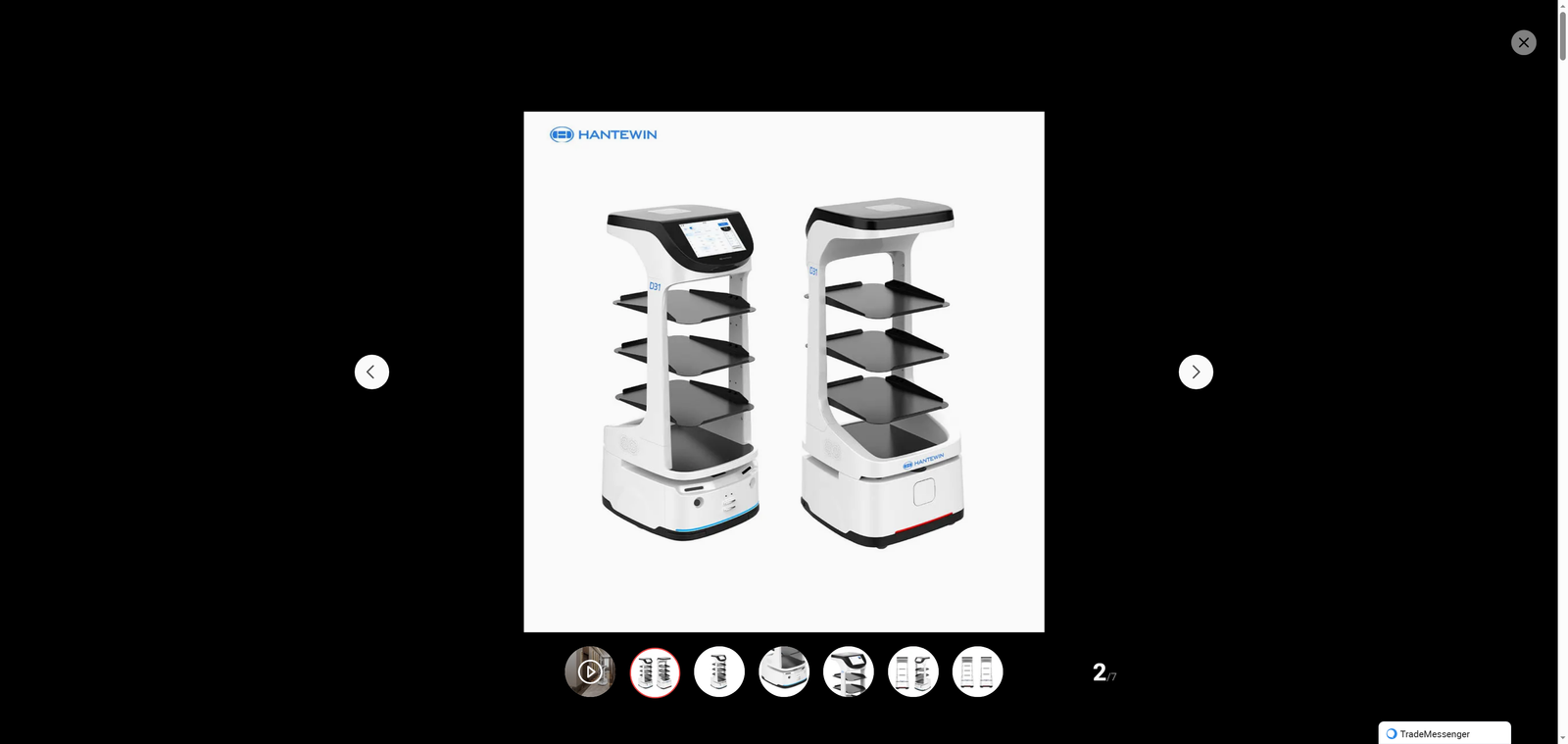
In the era of digital transformation, the hotel industry is undergoing a profound revolution driven by intelligent technology. As the core part of hotel services, dining experience directly affects guests’ satisfaction and brand reputation. Faced with the dual demands of improving service efficiency and optimizing user experience, next-gen smart delivery robots for hotel dining solutions have emerged as a key force to reshape the industry’s service ecology. These intelligent devices, integrating advanced technologies such as artificial intelligence, Internet of Things and autonomous navigation, are no longer simple "delivery tools" but have become a new symbol of high-quality hotel services, injecting unprecedented vitality into the traditional hotel dining scene.
Compared with traditional manual delivery, next-gen smart delivery robots have obvious advantages in efficiency and stability, which fundamentally solves the pain points of hotel dining services. In peak dining hours, hotels often face the problems of insufficient waiters, long delivery time and easy order mixing, which not only reduces guests’ dining experience but also increases the work pressure of the service team. The smart delivery robot can realize 24-hour uninterrupted work without rest, fatigue or mistakes. Equipped with high-precision laser navigation and visual recognition technology, it can accurately identify the hotel’s layout, elevator positions and obstacle distribution, and plan the optimal delivery route in real time. Whether it is delivering three meals a day to guests’ rooms, serving dishes in the restaurant hall or transferring tableware, the robot can complete the task efficiently and accurately, and the delivery time is shortened by more than 50% compared with manual work. At the same time, the robot can carry multiple orders at one time, with a load capacity of up to 20-30kg, which greatly improves the per capita service efficiency of the hotel and allows the service team to focus more on personalized services such as guest consultation and demand response, forming a "human-machine collaboration" service mode that complements each other.
The innovation of next-gen smart delivery robots is not only reflected in efficiency but also in the creation of a personalized and high-end dining experience for guests. In the context of consumption upgrading, guests’ demand for hotel services is no longer limited to "basic satisfaction" but pursues more sense of technology, interaction and experience. The smart delivery robot is equipped with a high-definition touch screen, voice interaction module and intelligent sensing system, which can realize multi-scene human-computer interaction. When delivering food to the guest room, the robot can send a reminder message to the guest’s mobile phone in advance, and after arriving at the door, it can call the guest by voice or ring the doorbell. Guests can also interact with the robot through voice commands, such as inquiring about hotel dining recommendations, checking order status or asking for help. In addition, the robot can be customized according to the hotel’s brand style, including appearance design, color matching and voice broadcast content, which makes the robot not only a service device but also a part of the hotel’s brand image display. For example, high-end hotels can customize robots with elegant appearance and gentle voice, while themed hotels can design robots with characteristic shapes, which adds fun and memory points to guests’ dining experience.
In terms of cost control and operation management, next-gen smart delivery robots also bring long-term value to hotels. In the long run, the use of smart robots can effectively reduce the hotel’s labor costs. The cost of recruiting, training and managing waiters is increasing year by year, while the one-time investment of smart delivery robots can realize long-term stable operation, and the later maintenance cost is low. According to relevant data, hotels that use smart delivery robots can reduce the labor cost of the dining department by 30-40% every year. At the same time, the robot is connected to the hotel’s intelligent management system, which can realize real-time data monitoring and statistics. The management team can view the robot’s working status, delivery efficiency, order completion rate and other data through the background, so as to accurately grasp the operation situation of the dining department and make scientific management decisions. In addition, the robot’s contactless delivery mode also meets the health and safety needs of guests in the post-epidemic era, reducing the risk of cross-infection caused by manual contact and enhancing guests’ sense of safety and trust in the hotel.
With the continuous progress of technology, the functions of next-gen smart delivery robots for hotel dining solutions will be more diversified and intelligent in the future. In terms of technology iteration, the robot will be equipped with more advanced AI algorithms, which can better understand guests’ preferences and habits, and realize personalized service recommendations, such as automatically pushing favorite dishes to regular guests. In terms of function expansion, the robot can be integrated with the hotel’s smart room system, realizing functions such as automatic meal ordering, smart payment and tableware recycling, forming a full-link intelligent service closed loop. In terms of energy conservation and environmental protection, the robot will adopt more efficient and environmentally friendly battery technology, reducing energy consumption and carbon emissions, in line with the hotel industry’s green development trend.
In conclusion, next-gen smart delivery robots are not only a technological innovation in hotel dining services but also a important driving force for the high-quality development of the hotel industry. They solve the traditional pain points of the industry in efficiency, cost and experience, and create a new service mode of "intelligence, efficiency and personalization". For hotels, introducing smart delivery robots is not only a way to improve service quality but also a strategic layout to adapt to the digital transformation trend. In the future, with the deep integration of intelligent technology and hotel services, smart delivery robots will play a more important role, helping the hotel industry to move towards a more intelligent, high-end and humanized new stage, and bringing guests a more wonderful dining experience.