
Next-Gen Hotel Delivery Robot with Customizable Service Features: Redefining the Future of Hospitality Services
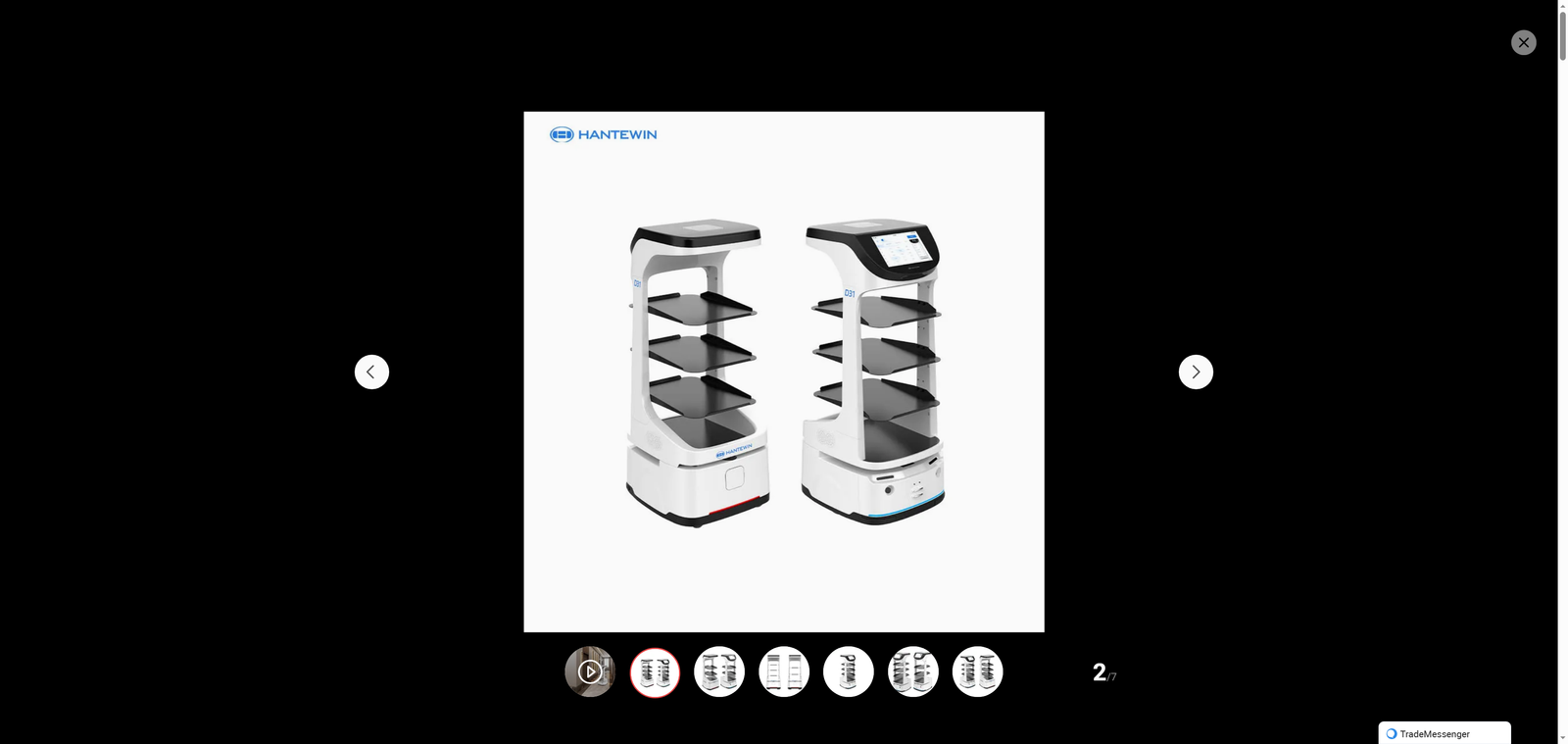
In the era of intelligent transformation, the hospitality industry is undergoing a profound revolution driven by technological innovation. Among the various cutting-edge technologies reshaping hotel services, next-generation hotel delivery robots stand out as a key breakthrough, especially those equipped with highly customizable service features. These intelligent robots are no longer just simple "delivery tools"; they have evolved into flexible, user-centric service partners that adapt to diverse hotel scenarios and personalized guest needs, injecting new vitality into the hospitality industry and redefining the standards of modern hotel services.
The core competitiveness of next-gen hotel delivery robots lies in their customizable service features—a significant upgrade from traditional fixed-function robots. Unlike early models that could only perform single tasks such as delivering towels or mineral water, the new-generation robots integrate advanced technologies including artificial intelligence (AI), Internet of Things (IoT), and adaptive control systems, enabling hoteliers to tailor their functions, services, and interactions according to the hotel’s positioning, guest groups, and service scenarios. This customization capability not only enhances the flexibility of robot applications but also allows the robots to seamlessly integrate into the hotel’s unique service system, becoming an extension of the hotel’s brand image.
From the perspective of functional customization, next-gen delivery robots can be adjusted and expanded according to the specific needs of different hotels. For luxury hotels that pursue high-end and personalized services, the robots can be equipped with premium functions such as intelligent voice interaction with multi-language support, VIP guest recognition, and customized welcome messages. When a VIP guest checks in, the robot can automatically recognize the guest through face recognition technology, greet them by name in their preferred language, and deliver customized welcome gifts (such as favorite snacks or flowers) to the room—creating a exclusive and considerate service experience. For business hotels that prioritize efficiency and practicality, the robots can focus on core delivery functions, such as 24-hour room service delivery (meals, documents, toiletries), laundry pickup and delivery, and even express delivery forwarding. Hoteliers can also add extended functions such as floor guidance and emergency call assistance according to actual needs, maximizing the robot’s service value.
In terms of scenario customization, next-gen delivery robots show strong adaptability to different hotel environments and service scenarios. For boutique hotels with unique layouts and decorative styles, the robots can be customized in appearance—such as matching the hotel’s overall design style with special colors, materials, or patterns—to avoid a sense of "technological abruptness" and integrate harmoniously with the hotel’s atmosphere. In hotels with large public areas (such as resorts or convention hotels), the robots can be set with multi-point delivery routes, automatically planning the optimal path according to real-time traffic conditions in the lobby, corridors, and elevators, ensuring efficient delivery without interfering with guest activities. Even in special scenarios such as hotel banquets or conferences, the robots can be temporarily adjusted to provide batch delivery services (such as distributing drinks, leaflets, or souvenirs), reducing the workload of service staff and improving service efficiency.
Theinteraction customization of next-gen delivery robots further enhances the emotional connection between guests and the hotel. Unlike the rigid voice prompts of traditional robots, the new-generation robots support customized interaction modes—hoteliers can set the robot’s voice tone (warm, elegant, lively), conversation content (incorporating the hotel’s brand story, local cultural introductions, or interesting Q&A), and even body movements (such as bowing, waving) to align with the hotel’s service style. For family-friendly hotels that welcome many children, the robot can be set with a cute voice and playful interaction language, and even add functions such as story-telling or nursery rhyme singing to attract children’s attention and bring joy to family guests. For elderly guests who are not familiar with intelligent devices, the robot can use simple and clear language prompts, slow down the speech speed, and provide one-click operation functions—lowering the threshold for elderly guests to use the robot and ensuring that every guest can enjoy the convenience brought by technology.
Beyond meeting the diverse needs of hotels and guests, next-gen delivery robots with customizable service features also bring substantial benefits to hotel operations. On the one hand, the robots can take over a large number of repetitive and tedious service tasks (such as daily delivery, laundry pickup), reducing the labor pressure of hotel staff. This allows the staff to focus more on high-value services that require human care (such as guest communication, service consultation), improving the overall service quality of the hotel. On the other hand, the data collected by the robots during operation (such as guest service needs, delivery frequency, and preferred interaction modes) can be analyzed and fed back to the hotel management team, providing data support for the hotel to optimize service processes, adjust service strategies, and accurately meet guest needs. For example, if the data shows that many guests frequently order late-night snacks, the hotel can adjust the room service menu and delivery schedule accordingly; if guests prefer voice interaction over touch-screen operation, the hotel can further optimize the robot’s voice recognition function.
Of course, the popularization and application of next-gen hotel delivery robots also face certain challenges. For instance, the initial investment cost of high-customizable robots is relatively high, which may bring financial pressure to small and medium-sized hotels; the compatibility between the robot system and the hotel’s existing intelligent management system needs to be further improved; and there is a need to balance technological services with human care to avoid over-reliance on robots leading to a lack of human warmth in services. However, with the continuous advancement of technology and the gradual reduction of production costs, these challenges will be gradually resolved. More importantly, the market demand for intelligent and personalized hotel services is growing, which will drive the continuous upgrading and popularization of customizable delivery robots.
Looking to the future, next-gen hotel delivery robots with customizable service features will become an indispensable part of the intelligent hospitality industry. They will not only continue to upgrade in terms of function, scenario, and interaction customization but also integrate more advanced technologies such as 5G, edge computing, and emotional intelligence algorithms—enabling them to better understand guest needs, provide more humanized services, and even become "intelligent butlers" that can comprehensively manage guest room services. For hoteliers, embracing these customizable intelligent robots is not only a response to the trend of technological transformation but also a key measure to enhance core competitiveness and create a unique service brand.
In conclusion, next-gen hotel delivery robots with customizable service features are reshaping the service model of the hospitality industry with their flexibility, adaptability, and user-centricity. They bridge the gap between technology and services, making intelligent services no longer a uniform standard but a personalized experience that can be tailored to needs. As technology continues to evolve, these robots will bring more surprises to the hospitality industry, leading the industry into a new era of "intelligence personalization" services.