
Autonomous Intelligent Smart Food Delivery Robot with Multiple Trays: Revolutionizing Service in Restaurants and Hotels
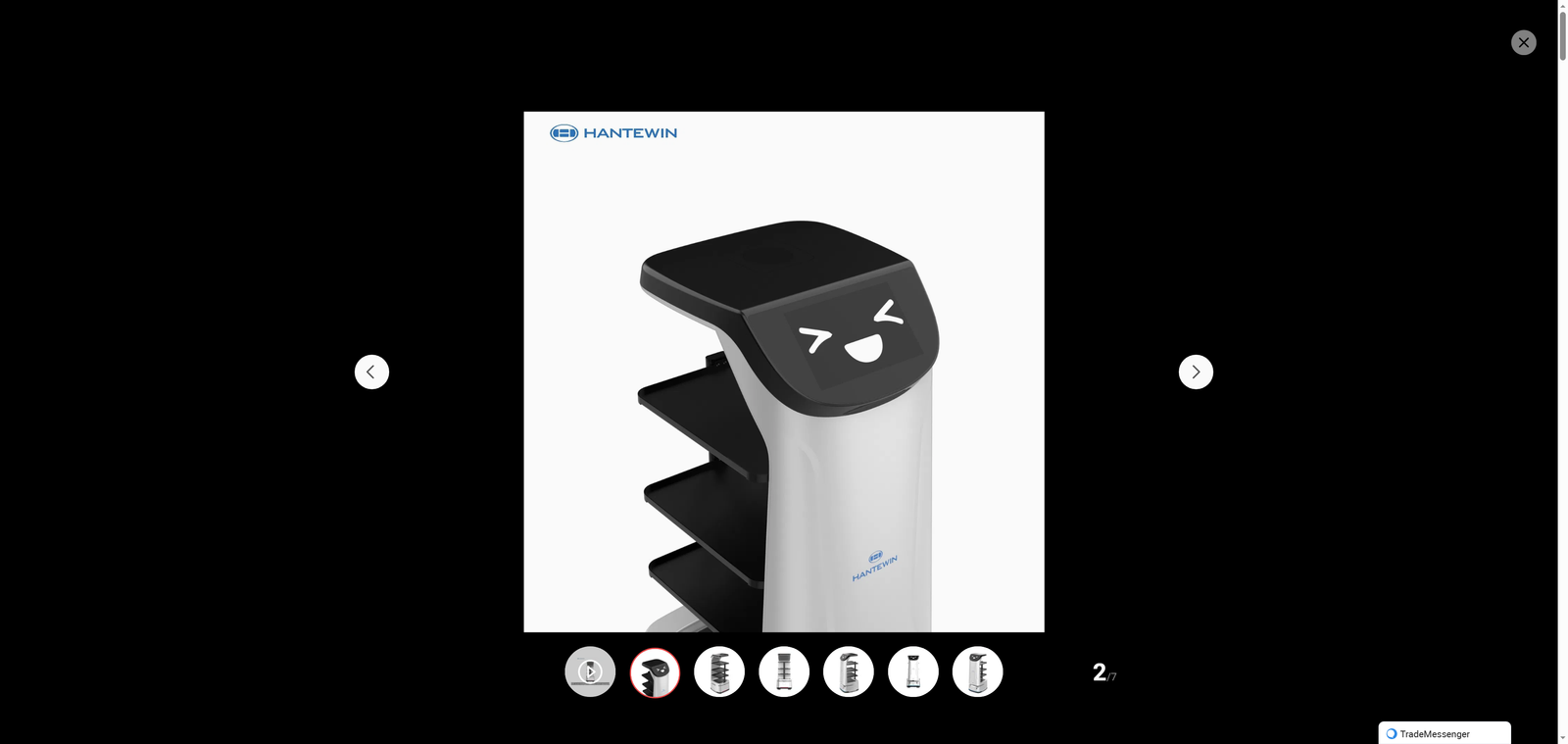
In the era of intelligent upgrading, the service industry is undergoing a profound transformation driven by technological innovation. For restaurants and hotels, where efficiency, quality, and experience are the core competitiveness, the emergence of autonomous intelligent smart food delivery robots with multiple trays has become a game-changer. These advanced robots integrate autonomous navigation, intelligent control, and multi-load bearing technologies, breaking through the limitations of traditional manual food delivery and injecting new vitality into the service scenarios of restaurants and hotels.
The core value of autonomous intelligent food delivery robots lies in their "autonomy" and "multi-tray bearing capacity," which are precisely tailored to the service needs of restaurants and hotels. Unlike single-tray robots that can only carry a small amount of food, multi-tray designs enable these robots to load multiple dishes, tableware, or even guest supplies at one time—whether it is a set meal for a family of four in a restaurant, or breakfast, afternoon tea, and laundry items for multiple rooms in a hotel. This multi-load capacity greatly reduces the number of trips for delivery, directly improving service efficiency.
Equipped with advanced autonomous navigation and obstacle avoidance systems, these smart robots can easily adapt to the complex environments of restaurants and hotels. In restaurants, they can accurately identify dining tables, bypass moving guests and waiters, and even adjust their speed according to the flow of people to ensure stable delivery of food without spilling. In hotels, they can smoothly navigate through corridors, take elevators independently (after connecting with the hotel's intelligent control system), and accurately reach the door of the designated room. The whole process is fully automated without manual intervention, which not only saves labor costs but also avoids service errors caused by human factors such as fatigue and negligence.
For restaurants and hotels, the application of autonomous intelligent food delivery robots with multiple trays brings multiple practical benefits. Firstly, it optimizes labor allocation. In peak hours such as restaurant dinners and hotel check-in periods, manual waiters and housekeepers are often overloaded. Robots can take on the heavy delivery work, allowing staff to focus on providing more intimate services such as guest consultation, order recommendation, and room cleaning, thereby improving the overall service quality. Secondly, it enhances the guest experience. For diners, the novel experience of receiving food from robots adds fun to the meal; for hotel guests, they can receive required items in a timely manner without waiting for a long time, which improves the sense of satisfaction and comfort. Thirdly, it ensures food safety and hygiene. The robot's trays are made of food-grade materials, which are easy to clean and disinfect, avoiding cross-contamination caused by manual contact with food multiple times, and meeting the strict hygiene requirements of the catering and hotel industries.
With the continuous progress of intelligent technology, autonomous intelligent food delivery robots with multiple trays are also constantly upgrading. In the future, they will be more intelligent—for example, they can recognize guest preferences through big data analysis, actively recommend meals or services; they can realize voice interaction with guests, responding to simple inquiries; the multi-tray design will be more flexible, supporting customized adjustment according to different needs of restaurants and hotels. At the same time, the cost of robots will gradually decrease, making them more popular in small and medium-sized restaurants and hotels, and promoting the comprehensive intelligent transformation of the entire service industry.
In conclusion, autonomous intelligent smart food delivery robots with multiple trays are not only a technological product but also a new service mode that meets the development needs of restaurants and hotels. They solve the pain points of low efficiency, high labor costs, and difficult quality control in traditional delivery services, and bring a win-win situation for businesses and guests. As intelligent technology continues to penetrate, these robots will become an indispensable part of the service system of restaurants and hotels, leading the service industry into a more efficient, intelligent, and high-quality new era.