
Multi Layer Intelligent Food Delivery Robot: Revolutionizing Service Efficiency in Hotpot Restaurants and Hotels
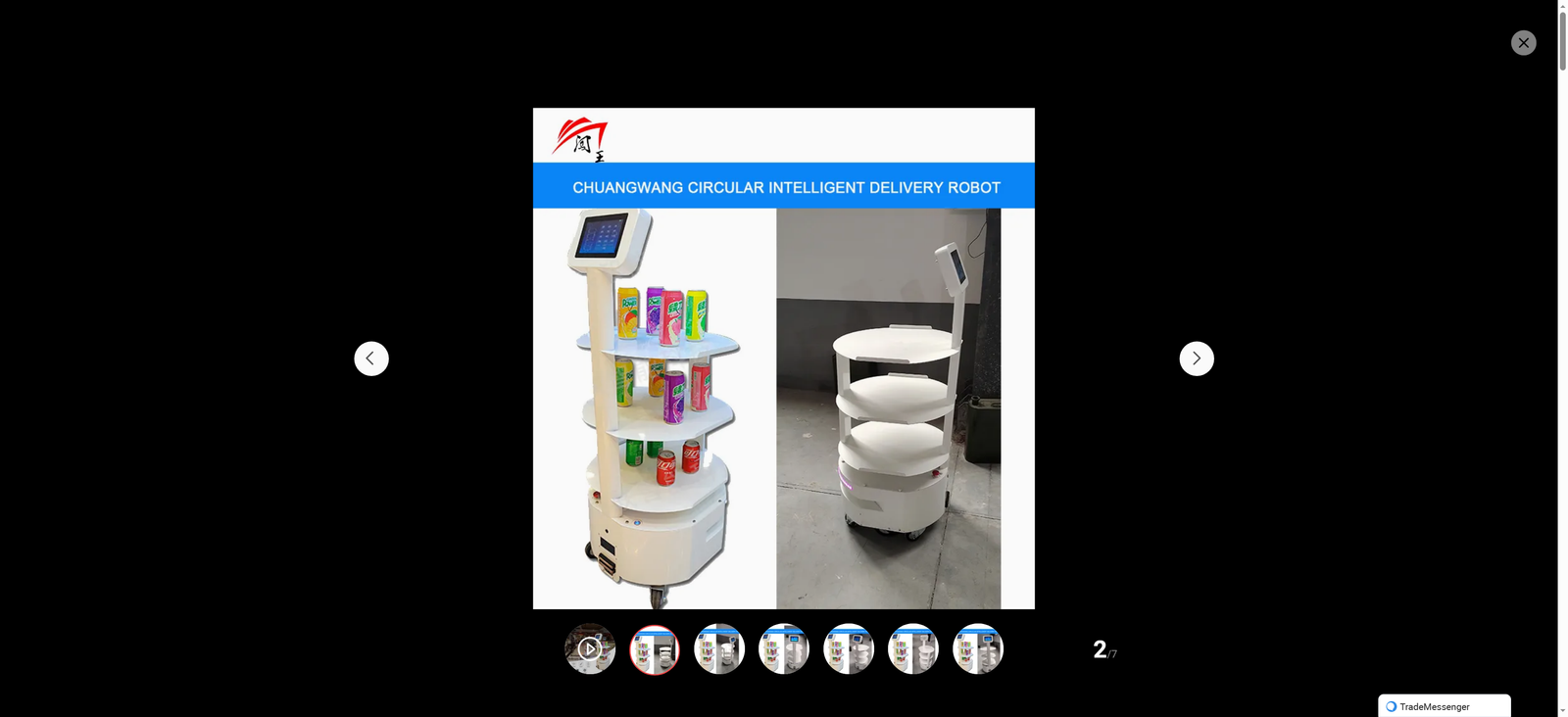
With the rapid development of the catering and hospitality industries, the demand for efficient, hygienic and intelligent service solutions is becoming increasingly prominent. Hotpot restaurants, known for their numerous ingredients, frequent table turns and high service intensity, and hotels, which pursue refined service and guest experience, are both facing the challenges of labor shortages, uneven service quality and rising operational costs. Against this background, the multi-layer intelligent food delivery robot has emerged as a disruptive innovation, integrating advanced technologies such as artificial intelligence, automatic navigation and intelligent control to inject new vitality into the service upgrading of hotpot restaurants and hotels.
The multi-layer intelligent food delivery robot is designed with a multi-layer storage structure, which is its core advantage different from traditional single-layer delivery robots. This structural design is particularly tailored to the service characteristics of hotpot restaurants and hotels. For hotpot restaurants, each table of customers usually needs a variety of ingredients, bottom pots, tableware and condiments. The multi-layer design allows the robot to carry all the required items for one or even multiple tables in one trip, avoiding the trouble of repeated delivery and greatly improving the delivery efficiency. Compared with manual delivery, which is limited by the carrying capacity of the tray, the robot can make full use of vertical space, with a carrying capacity increased by 2-3 times, effectively reducing the number of trips and relieving the work pressure of service staff.
In terms of intelligent performance, the multi-layer food delivery robot is equipped with a high-precision navigation and positioning system, which can accurately identify the layout of hotpot restaurants and hotels, avoid obstacles flexibly and plan the optimal delivery route. In hotpot restaurants with dense tables, busy customers and complicated pedestrian flow, the robot can easily navigate through narrow passages, respond in time to sudden situations such as children running around or waiters walking, and ensure safe and stable delivery. In hotels, it can accurately reach each guest room door, banquet hall or restaurant area according to the order information, and send a reminder to the customer or service staff through voice broadcast, realizing "last mile" intelligent delivery.
Hygiene and safety are another important highlight of the multi-layer intelligent food delivery robot, which is particularly critical for hotpot restaurants. Hotpot ingredients have high requirements for fresh-keeping and hygiene. The robot's multi-layer storage compartments are designed with detachable and washable food-grade materials, which can be disinfected and cleaned regularly to avoid cross-contamination. Some high-end models are also equipped with constant temperature and fresh-keeping functions, which can maintain the appropriate temperature of ingredients such as meat and seafood during delivery, ensuring their freshness and taste. Compared with manual delivery, which may have hidden hygiene hazards such as hand contact and tray contamination, the robot can effectively reduce human contact, creating a more hygienic dining and living environment for customers.
For the operation and management of hotpot restaurants and hotels, the multi-layer intelligent food delivery robot can also bring significant cost-saving effects. In the context of rising labor costs, the one-time investment of the robot can replace the work of 2-3 service staff, and the subsequent maintenance cost is low, which can greatly reduce the labor cost of the store in the long run. At the same time, the robot can be connected to the store's intelligent management system, realizing real-time statistics of delivery orders, work efficiency and inventory information. Managers can grasp the operation status of the robot and the demand of customers in real time through the background, optimize the allocation of human resources and adjust the service plan, improving the overall management level. In addition, the novel and intelligent robot can also become a "net red punch card point" in hotpot restaurants and hotels, attracting young customers to take photos and share, enhancing the brand influence and popularity of the store.
In practical application scenarios, the multi-layer intelligent food delivery robot has shown excellent adaptability and practical value. In some well-known hotpot chain brands, after introducing the robot, the average delivery time of ingredients has been shortened by 40%, the table turnover rate has increased by 20%, and customer satisfaction has also been significantly improved. Customers have praised the robot's fast delivery, novel experience and hygienic service. In high-end hotels, the robot is not only used for food delivery, but also for delivering daily necessities, laundry, documents and other items for guests, reducing the workload of hotel housekeepers and front desk staff, and allowing them to focus more on providing high-quality personalized services, improving the hotel's service quality and guest satisfaction.
Of course, the multi-layer intelligent food delivery robot is not a substitute for human services, but a complement and upgrade of the service system. In hotpot restaurants and hotels, human services such as greeting customers, introducing dishes, and solving special needs are still irreplaceable. The robot undertakes the tedious and repetitive delivery work, allowing service staff to be freed from heavy physical labor and focus on improving the quality of humanized service, forming a good pattern of "robot human" collaborative service. This not only improves service efficiency, but also enhances the warmth and emotional connection of the service, creating a better experience for customers.
Looking to the future, with the continuous progress of technology such as artificial intelligence, Internet of Things and big data, the multi-layer intelligent food delivery robot will be more intelligent, humanized and diversified. It may realize more functions such as automatic order taking, intelligent recommendation, and interactive communication with customers, and further integrate with the digital operation system of hotpot restaurants and hotels to become an important part of the intelligent service ecosystem. For hotpot restaurants and hotels, introducing multi-layer intelligent food delivery robots is not only a response to the trend of intelligent development, but also a practical measure to improve service quality, reduce operational costs and enhance core competitiveness.
In conclusion, the multi-layer intelligent food delivery robot, with its unique multi-layer structure, advanced intelligent technology, excellent hygiene and safety performance, is bringing a profound revolution to the service industry of hotpot restaurants and hotels. It is not only a tool to improve efficiency and reduce costs, but also a carrier to enhance customer experience and brand value. With the continuous popularization and upgrading of this technology, we can expect a more intelligent, efficient and high-quality service scene in hotpot restaurants and hotels in the future.