
Multi-Floor Food Delivery Robot with Elevator Integration for Malls: Transforming Catering Logistics in Commercial Spaces
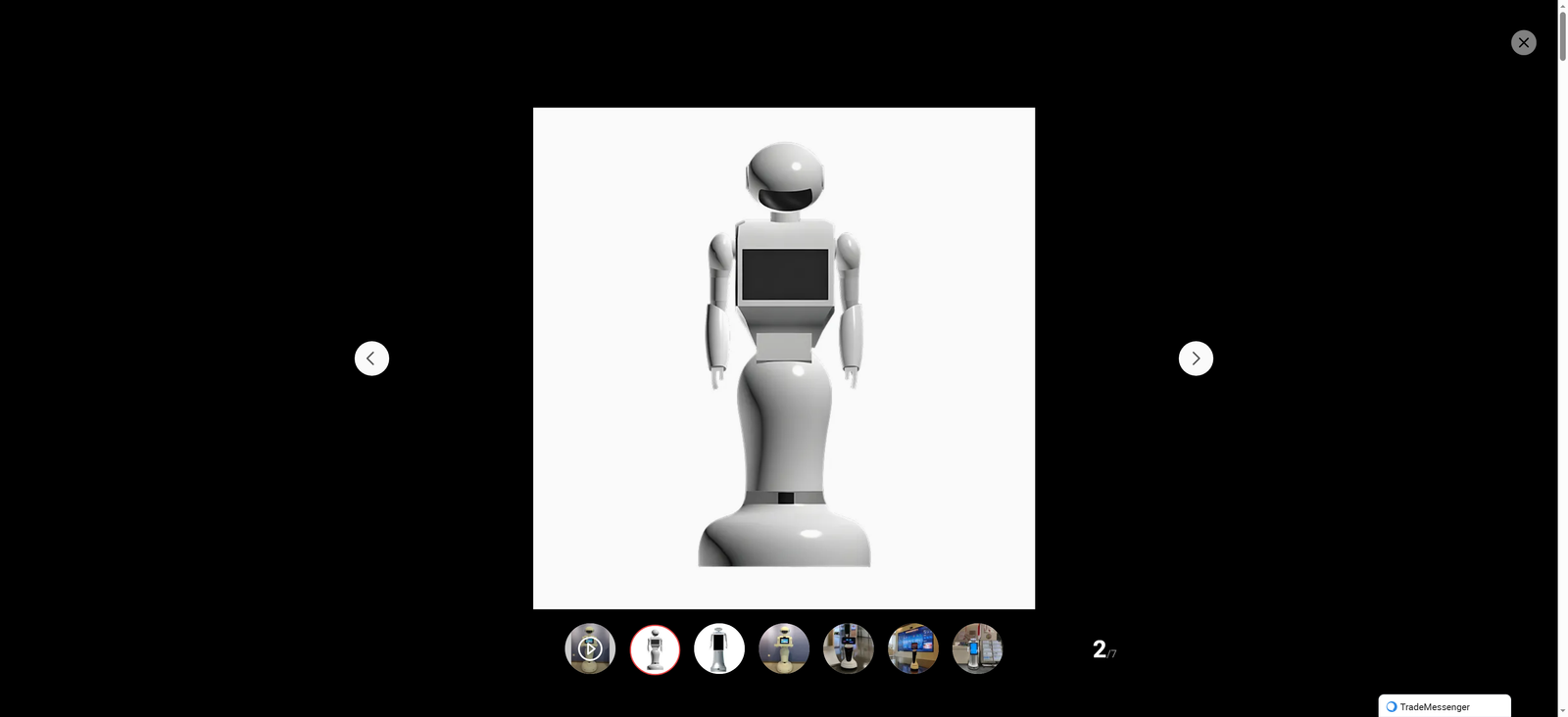
In the fast-paced world of modern shopping malls, where convenience, efficiency, and customer experience are paramount, the catering sector faces a unique set of challenges. With multiple floors housing diverse restaurants, food courts, and retail outlets, delivering orders promptly across different levels while navigating crowds, narrow corridors, and elevator bottlenecks has long been a pain point for mall operators and catering businesses alike. Enter the multi-floor food delivery robot with elevator integration—a groundbreaking solution that merges intelligent robotics with seamless vertical mobility to redefine catering logistics in commercial spaces. This innovative technology is not just a novelty; it is a strategic tool that addresses operational inefficiencies, reduces labor burdens, and elevates the overall shopping and dining experience for visitors.
Shopping malls are dynamic ecosystems where every minute counts. Traditional food delivery methods, relying solely on human staff, are plagued by inherent limitations. During peak hours—weekends, holidays, or lunch and dinner rushes—waiters and delivery personnel are often overwhelmed, leading to delayed orders, misplaced items, and exhausted staff. The vertical layout of malls exacerbates this issue: moving from a food court on the third floor to a customer seated in a rest area on the first floor requires waiting for elevators, navigating through throngs of shoppers, and managing multiple orders simultaneously. According to industry data, the average delivery time for food orders in multi-floor malls can extend to 6.2 minutes during peak periods, resulting in a 37% increase in customer complaints. Additionally, labor costs for delivery staff account for a significant portion of catering operational expenses, with the restaurant industry’s average人力成本占比 reaching 32% in 2023. These challenges not only impact customer satisfaction but also erode the profit margins of catering tenants and hinder the competitiveness of malls in attracting visitors.
The multi-floor food delivery robot with elevator integration is designed to overcome these pain points by leveraging cutting-edge technology to enable autonomous horizontal and vertical movement. At its core, this robot combines three key capabilities: high-precision indoor navigation, intelligent elevator interaction, and efficient order management—all tailored to the unique demands of mall environments. Unlike conventional delivery robots limited to single floors, these advanced machines can seamlessly traverse multiple levels, turning the "last 100 meters" of food delivery from a logistical nightmare into a streamlined process.
Central to the robot’s functionality is its elevator integration technology, which eliminates the need for human intervention in vertical mobility. This integration is achieved through two primary approaches, each adapted to different mall elevator systems. The first is IoT-based communication, where the robot connects wirelessly with the mall’s elevator control system via a dedicated communication module. Through this connection, the robot can autonomously call elevators, select target floors, and trigger door opening and closing—all without physical contact. The communication is secured with SSL encryption and bank-level chip verification, ensuring that the elevator system remains protected from unauthorized access and the robot’s operations are safe and reliable. The second approach, ideal for malls with older elevator systems that lack IoT capabilities, uses a robotic arm to physically press elevator buttons, enabling the robot to interact with elevators without requiring modifications to existing infrastructure. In both cases, the robot is equipped with sensors to detect elevator availability,轿厢 space, and passenger flow: if an elevator is full, the robot will automatically cancel the call and wait for the next one, and it will pause to礼让 elderly shoppers or children when entering or exiting the elevator.
Complementing its elevator integration is the robot’s advanced navigation and obstacle avoidance system, which ensures safe and efficient movement through crowded mall spaces. Most models use a fusion of 3D camera and lidar technology, providing 360° environmental coverage and centimeter-level obstacle detection precision. This allows the robot to navigate narrow corridors (some models can pass through spaces as narrow as 55 cm), avoid moving obstacles such as shoppers and strollers, and adjust its path in real time. Unlike early navigation systems that required QR code stickers for positioning, modern robots use laser SLAM technology to create dynamic maps of the mall, eliminating the need for intrusive modifications to the mall’s interior and maintaining its aesthetic appeal. The robot’s navigation system is also integrated with the mall’s central management platform, enabling it to receive real-time updates on crowd density, elevator status, and temporary obstacles (such as construction zones or event setups), ensuring optimal route planning at all times.
In addition to mobility, these robots are equipped with features tailored to food delivery in malls. Many models have a multi-layer transport structure, allowing them to carry multiple orders simultaneously—reducing the number of trips and increasing delivery efficiency. The compartments are designed to maintain food temperature, ensuring that hot dishes stay warm and cold beverages remain chilled during delivery. Some robots also include interactive features, such as touchscreens and voice guidance, which allow customers to confirm order receipt, provide feedback, or even call the robot for additional requests. For catering tenants, the robot is connected to their point-of-sale (POS) systems, enabling automatic order transmission: once a customer places an order, it is immediately sent to the robot, which then navigates to the restaurant to pick up the food before delivering it to the specified location. This seamless integration eliminates manual order entry errors and reduces the time between order placement and delivery.
The benefits of deploying multi-floor food delivery robots with elevator integration extend to mall operators, catering tenants, and shoppers alike. For mall operators, these robots enhance the overall visitor experience by reducing delivery times and improving service quality—key factors in attracting and retaining customers. They also optimize elevator usage by intelligently scheduling robot trips, reducing congestion and wait times for all mall visitors. Additionally, the robots generate valuable data on customer behavior, such as popular dining locations, peak order times, and delivery routes, which mall operators can use to make informed decisions about tenant placement, elevator scheduling, and marketing strategies. For catering tenants, the robots significantly reduce labor costs by automating routine delivery tasks, allowing staff to focus on food preparation and customer service. This not only lowers operational expenses but also improves order accuracy and reduces customer complaints, boosting customer loyalty and repeat business. A pilot project in a large mall showed that deploying these robots reduced delivery times by 40% and lowered labor costs by 25% for catering tenants.
For shoppers, the robots deliver a more convenient and hygienic dining experience. With faster delivery times, customers can enjoy their food while it is still fresh, without the frustration of long waits. The contactless delivery feature, particularly relevant in post-pandemic environments, reduces the risk of germ transmission, addressing the concerns of 76% of customers who worry about服务员-related contamination. Additionally, the robots add an element of novelty and interactivity to the shopping experience, making visits to the mall more engaging—especially for families with children, who often find the robots entertaining.
While the adoption of multi-floor food delivery robots with elevator integration is growing rapidly, there are still considerations for mall operators looking to deploy this technology. Compatibility with existing elevator systems is a key factor: older elevators may require modifications or the use of robotic arm attachments to enable interaction with the robot. Initial investment costs can also be a barrier, although these are often offset by long-term labor savings and improved operational efficiency. Additionally, staff training is necessary to ensure that catering personnel and mall employees can operate and maintain the robots, handle technical issues, and assist customers with robot interactions. However, as technology advances and economies of scale improve, these barriers are gradually diminishing, making the robots more accessible to malls of all sizes.
Looking to the future, the multi-floor food delivery robot with elevator integration is poised to become an indispensable part of mall catering logistics. Technological advancements will further enhance their capabilities: AI-powered predictive scheduling will allow robots to anticipate order surges and optimize delivery routes in advance; improved battery technology will extend their operational time (current models can operate for 4.5 to 8 hours continuously); and enhanced human-robot interaction will enable robots to respond to voice commands, recognize customer preferences, and provide personalized service. Additionally, the integration of these robots with other mall systems—such as parking management, retail loyalty programs, and event scheduling—will create a more connected and intelligent mall ecosystem. For example, a robot could deliver food to a customer waiting for their car in the parking garage or coordinate with a mall event to deliver snacks to attendees.
In conclusion, the multi-floor food delivery robot with elevator integration is transforming the way catering services are delivered in shopping malls. By combining autonomous navigation, seamless elevator interaction, and efficient order management, this technology addresses the key pain points of traditional delivery methods—delays, labor costs, and inefficiencies—while enhancing the overall experience for mall operators, catering tenants, and shoppers. As malls continue to evolve into experiential destinations, integrating innovative technologies like these robots will be crucial for staying competitive in a rapidly changing market. The future of mall catering logistics is autonomous, efficient, and customer-centric—and the multi-floor food delivery robot with elevator integration is leading the way.