
Small Service Robots: Revolutionizing Waiter Service in Modern Hotels
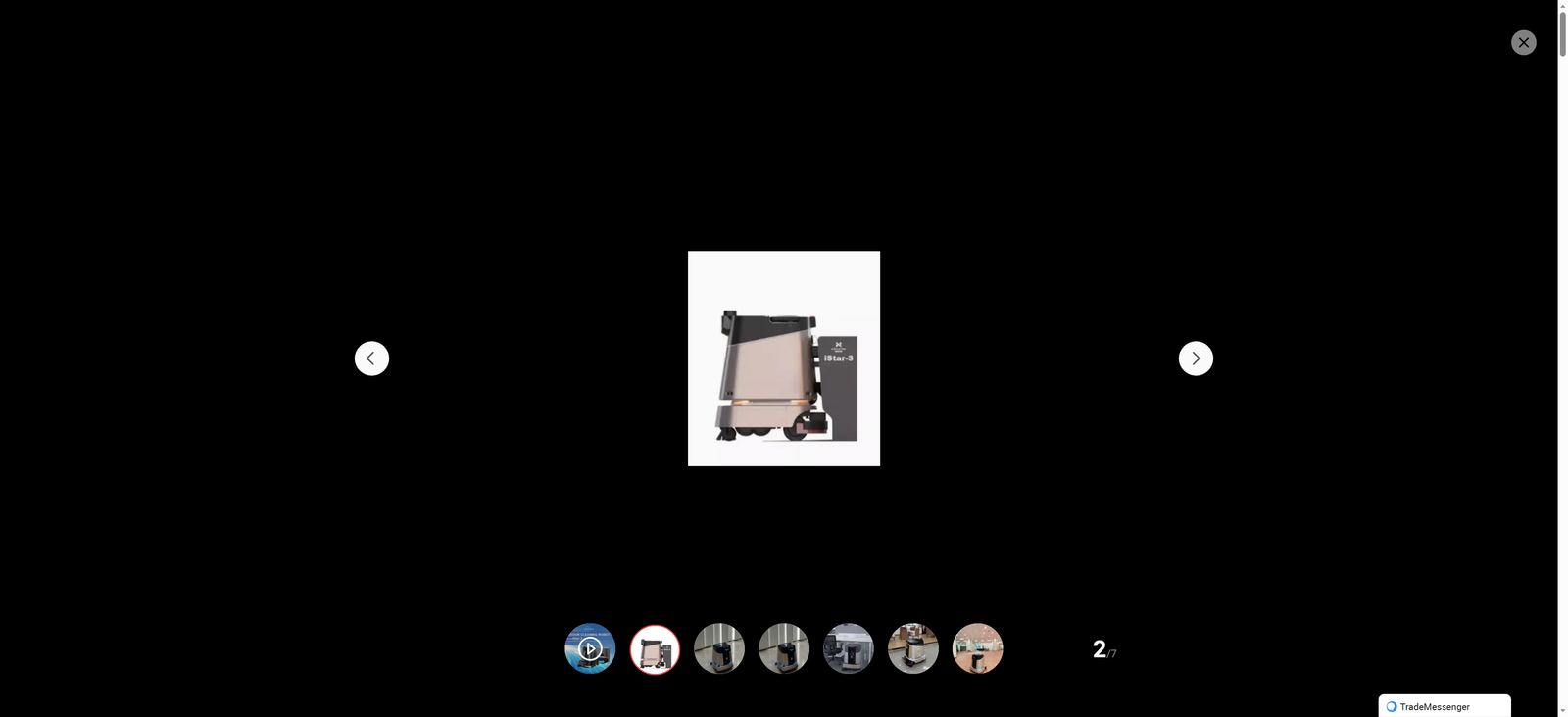
In the era of intelligent hospitality, small little waiter service robots have emerged as game-changers, redefining the way hotels deliver service and enhancing the overall guest experience. These compact, smart machines are no longer just a novelty; they have become reliable assistants to human staff, taking on repetitive tasks, boosting efficiency, and adding a touch of innovation to hotel services. As the hospitality industry grapples with labor shortages, rising costs, and evolving guest expectations, these small service robots are proving to be indispensable tools for hotels aiming to stay competitive and deliver exceptional service.
Designed to be compact and agile, hotel waiter service small robots are perfectly suited for navigating the tight corridors, crowded lobbies, and narrow dining areas of hotels. Unlike large, bulky machines, their small size allows them to move seamlessly alongside guests and human staff without causing disruption, making them ideal for busy hotels of all sizes—from boutique inns to large resort chains. Equipped with advanced navigation technology, including laser radar and visual recognition, these robots can autonomously avoid obstacles, navigate elevators and doorways via IoT connectivity, and reach their destinations with precision, ensuring timely service every time.
The core value of these small waiter service robots lies in their ability to take over repetitive, time-consuming tasks that would otherwise occupy human waitstaff, freeing up employees to focus on more personalized, high-value interactions with guests. Their key service scenarios cover a wide range of hotel operations, starting with in-room and dining delivery. Whether it’s delivering room service meals, snacks, beverages, or essential amenities like towels and toiletries, these robots can complete the task efficiently, 24 hours a day without fatigue. In hotel restaurants, they assist with delivering dishes from the kitchen to tables, picking up empty plates, and even serving drinks, reducing the need for waitstaff to make countless trips back and forth. This not only speeds up service but also minimizes human error, with data showing that送餐错误率 can be reduced by up to 90% with the use of service robots.
Beyond delivery, small waiter service robots also excel in enhancing guest convenience and satisfaction through round-the-clock availability. Many hotels face challenges with nighttime值守 shortages, but these robots can operate non-stop, responding to guest requests at any hour—whether it’s a midnight snack delivery or a request for extra pillows. Guests simply use a hotel app or a in-room control panel to place their order, and the robot arrives promptly, often with a friendly voice prompt or a cute design element that adds a pleasant surprise to the experience. Some models, like the cute cat-eared Bella Pro robot, even offer simple interactive features, such as voice greetings or touch responses, further enhancing the guest experience while maintaining efficiency.
For hotel operators, the adoption of small waiter service robots brings significant operational benefits, particularly in cost savings and efficiency improvement. Labor costs are one of the biggest expenses for hotels, and these robots help reduce reliance on temporary staff and minimize overtime costs. A medium-sized hotel deploying a set of small service robots can save up to 25% in labor costs related to repetitive tasks, with some studies showing that each robot can replace the workload of at least two full-time employees. Additionally, these robots are energy-efficient, require minimal maintenance, and can be easily integrated into existing hotel management systems, allowing operators to monitor their performance, schedule tasks, and track service data digitally. For example, cleaning and delivery robots can be managed through a central platform, enabling digital oversight of task completion and efficiency metrics.
While small waiter service robots offer numerous advantages, they are not intended to replace human staff entirely—instead, they create a powerful human-robot collaboration model that elevates the quality of hotel service. Human waitstaff bring empathy, emotional connection, and the ability to handle complex guest requests that robots cannot, such as resolving complaints, providing personalized recommendations, or assisting with special occasions. The robots handle the mundane, physical tasks, while humans focus on the aspects of service that require emotional intelligence and flexibility. This collaboration not only improves guest satisfaction but also reduces burnout among human staff, who can now focus on more meaningful, rewarding interactions rather than repetitive跑腿 work.
Like any emerging technology, small hotel waiter service robots also face some challenges. One of the main concerns is the initial investment cost, which can be a barrier for small and budget hotels. However, the long-term cost savings in labor and the boost in guest satisfaction often offset this investment, with many hotels recouping their costs within three years and achieving additional profits of around 15% thereafter. Another challenge is ensuring that the robots are user-friendly for all guests, including the elderly and those less familiar with technology. To address this, manufacturers are designing robots with simple interfaces and intuitive interactions, while hotels provide clear instructions to help guests utilize the service easily.
Looking ahead, the future of small waiter service robots in hotels is promising, with ongoing technological advancements set to make them even more capable and versatile. As artificial intelligence and natural language processing technology improve, these robots will be able to understand more complex guest requests, engage in more natural conversations, and even adapt to individual guest preferences—such as remembering a guest’s favorite drink or dietary restrictions. They will also become more integrated with other smart hotel systems, such as smart room controls and guest relationship management tools, creating a seamless, personalized experience for guests. Additionally, advancements in battery technology and sensor integration will enhance their autonomy and reliability, allowing them to operate for longer periods and handle more complex tasks with greater precision.
In conclusion, small little waiter service robots are transforming the hospitality industry, offering a perfect blend of efficiency, convenience, and innovation for both hotels and guests. They are compact, versatile, and cost-effective, helping hotels streamline operations, reduce costs, and deliver consistent, high-quality service around the clock. By complementing human staff rather than replacing them, these robots create a more balanced, efficient, and enjoyable service environment—one that meets the evolving expectations of modern travelers. As technology continues to advance, these small robots will undoubtedly become a standard feature in hotels worldwide, shaping the future of hospitality and redefining what it means to deliver exceptional waiter service.