
Interactive, Easy-Clean & Low-Maintenance Delivery Robots: Redefining Efficient Logistics
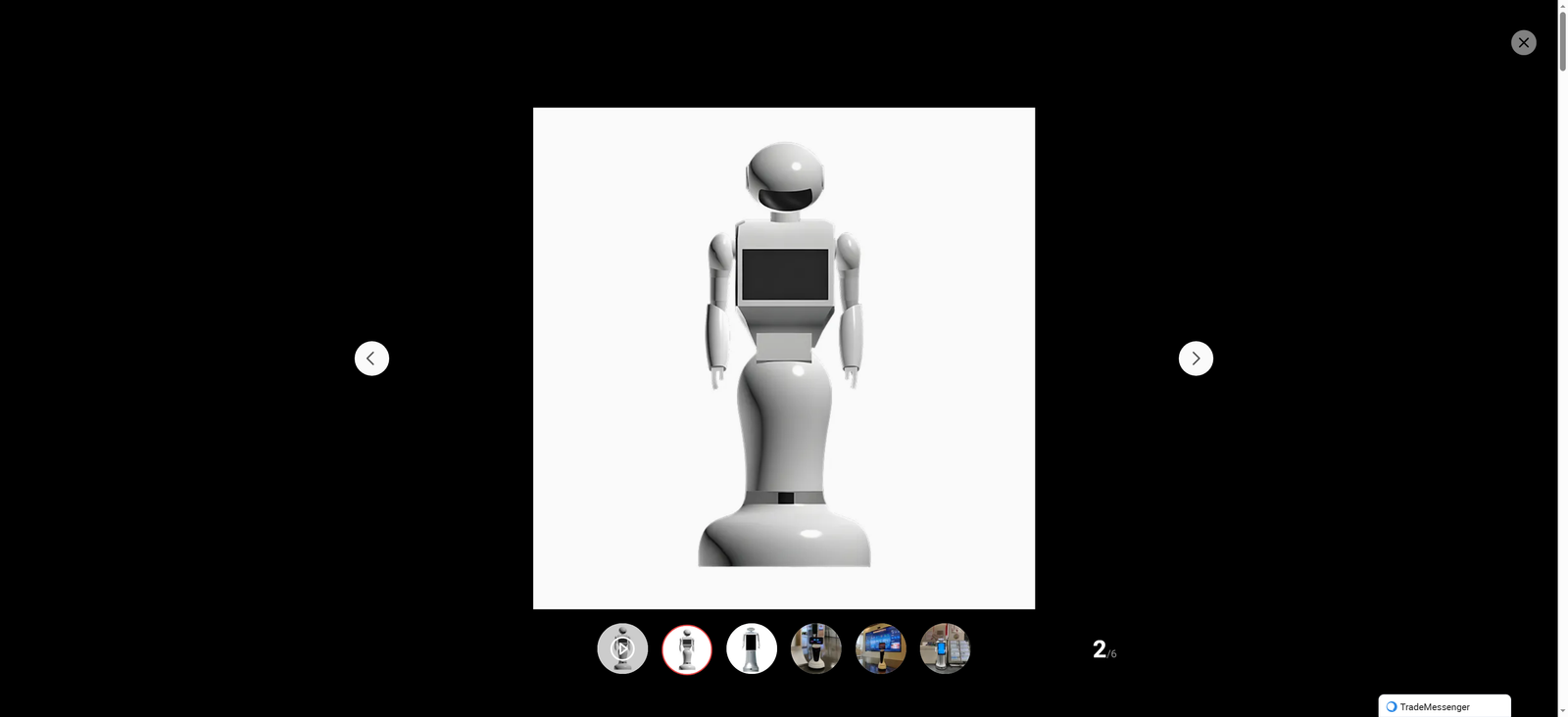
With the rapid development of smart logistics and the rising demand for contactless services, delivery robots have evolved from experimental devices to indispensable tools in various industries. Among the key trends shaping their advancement, three core features—interactivity, easy cleaning, and low maintenance—are becoming decisive factors for market acceptance and large-scale application. These characteristics not only address the practical pain points of operational management but also enhance user experience, injecting new vitality into the logistics industry's transformation .
Interactive Design: Building Intuitive Human-Robot Collaboration
Interactivity is the cornerstone of integrating delivery robots into daily scenarios, breaking the barrier between cold machinery and human users. Modern delivery robots are no longer single-task automated devices but intelligent interactive terminals equipped with multiple human-computer interaction technologies. Through the integration of voice recognition, touch screens, and AI algorithms, they can achieve seamless communication with users, adapt to diverse service needs, and improve delivery accuracy and user satisfaction.
In terms of hardware configuration, most interactive delivery robots are equipped with 7-inch high-resolution touch screens and customizable voice prompt systems . Users can confirm receipt, modify delivery locations, or inquire about delivery progress through simple touch operations. The voice module supports multi-language switching and volume adjustment, which is friendly to special groups such as the elderly and children. For example, in hotel scenarios, the robot can call the room number and send a reminder voice after arriving at the door; in medical environments, it can broadcast the type of medical supplies to facilitate nurses' quick confirmation.
On the software level, advanced natural language processing technology enables robots to understand complex user instructions and make adaptive responses. Combined with cloud scheduling systems, multiple robots can collaborate efficiently, avoid congestion, and optimize delivery routes in real time according to user demands . This interactive capability not only reduces the communication cost between humans and robots but also makes the delivery process more transparent and controllable, laying a foundation for the popularization of robots in public scenarios.
Easy-Clean Features: Meeting Hygiene Requirements in Diverse Scenarios
Hygiene and safety are critical considerations for delivery robots, especially in food service, medical care, and other industries with strict health standards. Easy-clean design has thus become a key competitiveness of delivery robots, solving the problem of cumbersome cleaning after traditional equipment is used in complex environments.
The core of easy-clean technology lies in the optimization of material selection and structural design. High-quality food-grade waterproof materials are widely used in the robot's shell and cargo compartment, which are resistant to corrosion, oil stains, and high temperatures, and can be directly cleaned with disinfectant or water. The detachable tray design is a typical application of easy-clean features . For example, some catering delivery robots are equipped with four detachable trays, each with a load capacity of 15 kg. After completing the delivery task, the trays can be quickly disassembled for centralized cleaning and disinfection, avoiding cross-contamination between different meals.
In addition, the seamless splicing structure of the robot's body eliminates dead corners that are difficult to clean, preventing the accumulation of dust and dirt. The waterproof and dustproof grade of key components such as the control panel and sensor is upgraded to IP65, ensuring that the robot can work normally even after high-pressure water washing. In medical scenarios, this design can effectively reduce the risk of cross-infection caused by medical supplies transportation, making robots an important auxiliary tool in hospitals .
Low-Maintenance Advantages: Reducing Operational Costs for Long-Term Use
For logistics enterprises and service providers, the maintenance cost and service life of equipment directly affect operational efficiency and investment returns. Low-maintenance delivery robots, relying on modular design, high-reliability components, and intelligent fault diagnosis technology, significantly reduce the difficulty and cost of daily maintenance, realizing long-term stable operation.
Modular design is the core support for low maintenance. The robot's drive system, power supply, sensor, and other components are designed as independent modules, which can be quickly replaced when a fault occurs without disassembling the entire machine. This not only shortens the maintenance time but also reduces the professional requirements for maintenance personnel. For example, if the battery module fails, it can be replaced in 5 minutes, ensuring that the robot can quickly return to work .
In terms of power management, high-energy-density lithium iron phosphate batteries are adopted, which have a service life of more than 5 years and support 15 hours of continuous operation and fast charging technology (30 minutes to charge 80% of the power) . The built-in energy recovery system can convert kinetic energy into electrical energy during deceleration or downhill, extending the battery life by 15%-20% and reducing the frequency of battery replacement. At the same time, the intelligent fault self-inspection system can real-time monitor the operation status of each component, automatically report faults to the cloud management platform, and support remote debugging and maintenance, avoiding the loss caused by unexpected shutdowns .
Integration of Three Features: Leading the Future Development of Delivery Robots
The integration of interactivity, easy cleaning, and low maintenance is not a simple superposition of functions but a systematic optimization based on user needs and operational scenarios. This integrated design enables delivery robots to adapt to more complex working environments, from restaurants and hotels to hospitals and communities, and continuously expand their application boundaries .
In the future, with the advancement of AI, IoT, and other technologies, these three core features will be further upgraded. Interactive robots will have more humanized communication capabilities, realizing emotional interaction with users; easy-clean technology will be combined with self-cleaning systems to achieve automatic disinfection without manual intervention; low-maintenance performance will be improved through predictive maintenance algorithms, realizing fault warning before components fail . As the market scale of delivery robots continues to expand, products with integrated advantages of interactivity, easy cleaning, and low maintenance will become the mainstream of the market, promoting the logistics industry to move towards a more intelligent, hygienic, and cost-effective new stage.