
In the era of rapid technological advancement, the hospitality industry is constantly embracing innovations to enhance guest experiences and operational efficiency. Among these innovations, the Intelligent Smart Autonomous Indoor Food Delivery Robot has emerged as a game-changer in hotel meal service. This cutting-edge device integrates advanced technologies to automate the process of delivering meals from hotel kitchens to guest rooms, addressing long-standing pain points such as delayed deliveries, inconsistent service quality, and high labor costs. As hotels strive to meet the evolving demands of modern travelers, this robot is no longer a novelty but a practical solution that redefines the standards of in-hotel dining services.
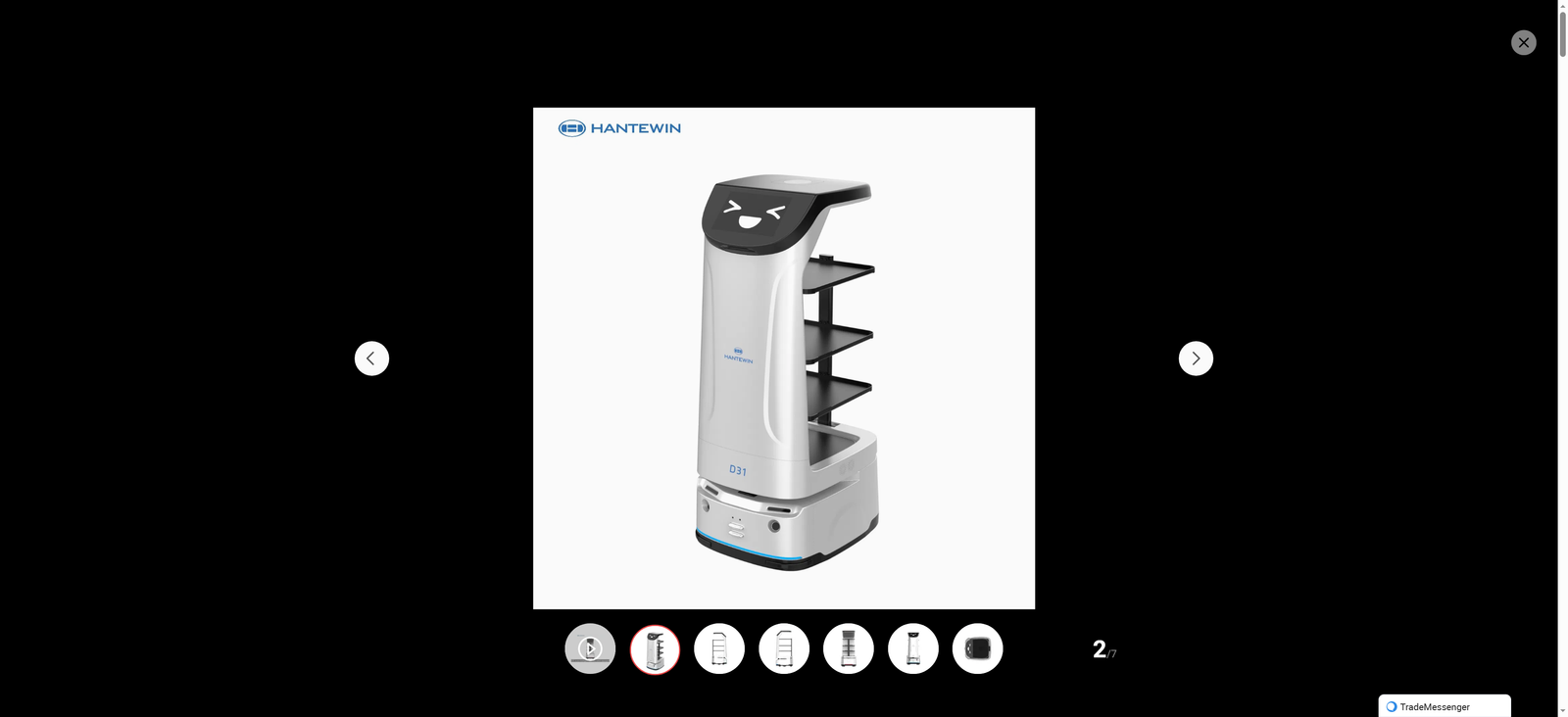
The core strength of the Intelligent Smart Autonomous Indoor Food Delivery Robot lies in its sophisticated autonomous navigation and intelligent control systems. Equipped with multiple sensors, including LiDAR, cameras, and ultrasonic sensors, the robot can accurately perceive its surrounding environment. It can map the hotel’s indoor layout in real-time, identify obstacles such as pedestrians, luggage carts, and doorframes, and dynamically adjust its path to ensure safe and efficient movement. Unlike traditional delivery methods that rely on human familiarity with the hotel layout, the robot’s navigation system is not affected by human factors such as fatigue or memory lapses, enabling it to navigate through complex indoor spaces—from narrow corridors to elevators—with remarkable precision. Additionally, the robot is integrated with the hotel’s management system, allowing it to receive delivery orders automatically, confirm guest information, and even send notifications to guests when the meal arrives at the door. This seamless connection between the robot and the hotel’s operational ecosystem ensures a smooth and efficient delivery process.
For hotels, deploying intelligent food delivery robots brings multiple operational and economic benefits. Firstly, it significantly reduces labor costs. In the hospitality industry, labor costs account for a large proportion of operational expenses, and meal delivery is a labor-intensive task that requires continuous staffing. By replacing human delivery staff with robots, hotels can save on wages, training, and other labor-related costs, while also avoiding issues such as staff shortages during peak seasons. Secondly, the robot improves service efficiency and consistency. Unlike human staff who may be delayed by other tasks or traffic within the hotel, the robot can complete delivery tasks in a timely and standardized manner. It can simultaneously handle multiple delivery orders, optimize delivery routes, and reduce the average delivery time, ensuring that guests receive their meals hot and fresh. Moreover, the robot eliminates the risk of human error, such as delivering meals to the wrong room, which enhances guest satisfaction.
From the perspective of guests, the intelligent food delivery robot offers a more convenient, hygienic, and personalized dining experience. In an era where health and hygiene are increasingly valued, the robot’s contactless delivery service minimizes direct human interaction, reducing the risk of cross-infection. Guests can place meal orders through the hotel’s mobile app or in-room control system and track the real-time location of the robot, eliminating the need to wait anxiously or make repeated inquiries. Additionally, the robot is designed with user-friendly features, such as a touch screen for guests to confirm receipt, a temperature-controlled compartment to keep meals at the optimal temperature, and even voice prompts to guide guests through the pickup process. For guests with special needs, such as those who prefer minimal interaction or have mobility issues, the robot provides a more inclusive service experience.
Despite the numerous advantages, the widespread adoption of intelligent indoor food delivery robots in hotels still faces some challenges. For example, the initial investment cost of purchasing and deploying the robots is relatively high, which may be a barrier for small and medium-sized hotels. Additionally, the robot’s performance may be affected by complex indoor environments, such as sudden changes in the layout or poor network signals. However, with the continuous advancement of technology and the gradual reduction of production costs, these challenges are being addressed. Future iterations of the robot are expected to have more advanced navigation capabilities, better adaptability to complex environments, and even more intelligent features, such as the ability to interact with guests through natural language processing or provide personalized meal recommendations based on guest preferences.
Looking ahead, the Intelligent Smart Autonomous Indoor Food Delivery Robot is poised to become an indispensable part of hotel operations. As the hospitality industry continues to digitize and智能化 (intelligentize), the robot will not only be used for meal delivery but also expanded to other service areas, such as delivering luggage, amenities, or documents. It will work in tandem with human staff to create a more efficient, convenient, and personalized service ecosystem. For hotels, embracing this technological innovation is not only a way to improve operational efficiency and reduce costs but also a strategic move to enhance their competitiveness in the market. For guests, it means a more seamless and enjoyable stay experience that meets the demands of the digital age.
In conclusion, the Intelligent Smart Autonomous Indoor Food Delivery Robot is revolutionizing hotel meal service by leveraging advanced technologies to deliver efficiency, convenience, and hygiene. It addresses the pain points of both hotels and guests, bringing significant value to the hospitality industry. As technology continues to evolve, this robot will undoubtedly play an increasingly important role in shaping the future of hotel services, making stays more comfortable, efficient, and enjoyable for travelers around the world.