
Humanoid Reception & Greeting Intelligent Service Robots: Leading Solutions for Airports and Hospitals from Chinese Vendors
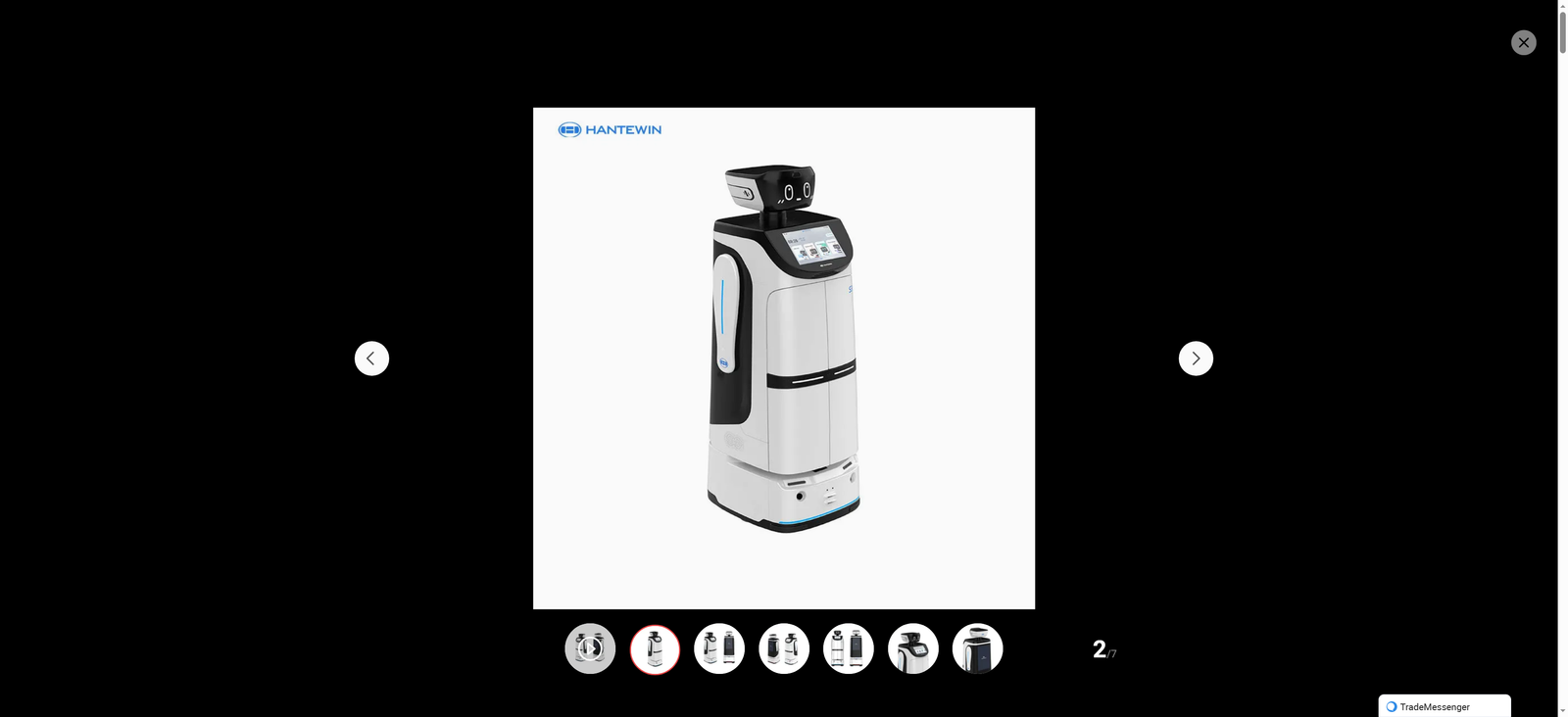
In the era of intelligent transformation, airports and hospitals—two high-traffic, high-demand public service scenarios—are increasingly seeking efficient, standardized, and humanized service upgrades. Humanoid reception and greeting intelligent service robots, developed by Chinese vendors with cutting-edge technology and in-depth scenario insights, have emerged as core solutions to address operational pain points, redefining the service experience for passengers and patients alike. With a perfect integration of AI, robotics, and industry-specific needs, these humanoid robots are becoming indispensable assistants in modern airports and hospitals, showcasing China’s strength in the global intelligent robotics industry.
Chinese vendors have long focused on customizing humanoid service robots for the unique demands of airports and hospitals, breaking through traditional service limitations with innovative greeting and reception capabilities. Unlike ordinary service robots, humanoid models feature a more natural and friendly interaction mode, designed to simulate human communication habits through advanced bionic design, natural language processing, and environmental perception technologies. This human-centric design ensures that the robots can quickly establish emotional connections with users, alleviating anxiety and enhancing the overall service experience—whether it’s a tired traveler at an airport or an anxious patient in a hospital.
In airport scenarios, humanoid reception and greeting intelligent service robots serve as the first “contact point” for passengers, undertaking a wide range of reception and guidance tasks. Equipped with high-precision positioning, facial recognition, and multi-language interaction functions, these robots can proactively greet passengers as they approach, providing personalized services such as flight query, terminal navigation, check-in guidance, and luggage storage information enquiry. For example, they can quickly respond to questions like “Where is the boarding gate for Flight CA1234?” or “How do I get to the duty-free shop?” with clear voice prompts and visual guidance, helping passengers save time and avoid getting lost in large terminal buildings. Some advanced models even support real-time crowd analytics and congestion avoidance recommendations, assisting airport staff in optimizing passenger flow management and improving operational efficiency. With 24/7 uninterrupted service capabilities, these robots effectively make up for the shortage of human resources during peak travel periods, ensuring consistent and high-quality reception services for every passenger.
For hospitals, humanoid service robots address critical challenges such as limited human resources, high professional knowledge requirements for receptionists, and difficulty in emotional management when dealing with anxious patients and their families. These robots are tailored to the medical environment, with functions including patient greeting, department navigation, appointment registration guidance, medical information consultation, and health education dissemination. When a patient enters the hospital, the robot greets them warmly, inquires about their needs, and guides them to the corresponding department, examination room, or pharmacy with high accuracy using SLAM navigation technology, which enables autonomous path planning and obstacle avoidance. They can also provide preliminary health advice and explain medical procedures in simple language, helping patients and their families understand the treatment process and reduce anxiety. Additionally, integrated with hospital information systems, these robots can sync the latest medical information in real time, ensuring that the guidance and consultation provided are accurate and up-to-date, while also supporting contactless service to reduce the risk of cross-infection.
The outstanding performance of these humanoid robots is inseparable from the core advantages of Chinese vendors in technology research and development, supply chain integration, and scenario customization. Chinese vendors have built a complete industrial chain for humanoid robots, with core component localization rates exceeding 70%, significantly reducing production costs while ensuring product quality and stability. In terms of AI technology, they leverage advanced open-source AI models and self-developed algorithms, enabling robots to achieve more accurate speech recognition, faster response speeds, and more flexible interaction capabilities—even in noisy environments such as airport terminals or busy hospital lobbies. Moreover, Chinese vendors emphasize in-depth cooperation with airports and hospitals, conducting in-depth research on on-site service processes and pain points to customize greeting and reception functions that truly meet actual needs. This scenario-oriented R&D model ensures that the robots are not just “technological displays” but practical tools that can effectively improve service efficiency and reduce operational costs for institutions.
As the global demand for intelligent services continues to grow, Chinese vendors are accelerating the iteration and promotion of humanoid reception and greeting intelligent service robots, expanding their presence in both domestic and international markets. With the support of national policies and the advantages of a complete industrial ecosystem, China’s humanoid robot shipments are expected to maintain rapid growth, contributing 75%–85% of global annual shipments and establishing a leading position in the industry. These robots not only showcase China’s technological innovation capabilities in the field of intelligent robotics but also promote the global transformation of airport and hospital services towards intelligence, efficiency, and humanization.
In the future, Chinese vendors will continue to invest in R&D, focusing on upgrading the bionic performance, emotional interaction capabilities, and multi-scenario adaptability of humanoid service robots. They will also deepen cooperation with the aviation and medical industries, exploring more innovative application models to further optimize the greeting and reception experience. For airports and hospitals seeking service upgrades, humanoid reception and greeting intelligent service robots from Chinese vendors are undoubtedly a cost-effective and forward-looking choice—they are not just robots, but partners that help institutions achieve sustainable development and create better service experiences for users around the world.