
Trackless Robots: Revolutionizing Hotel Restaurant Delivery and Service
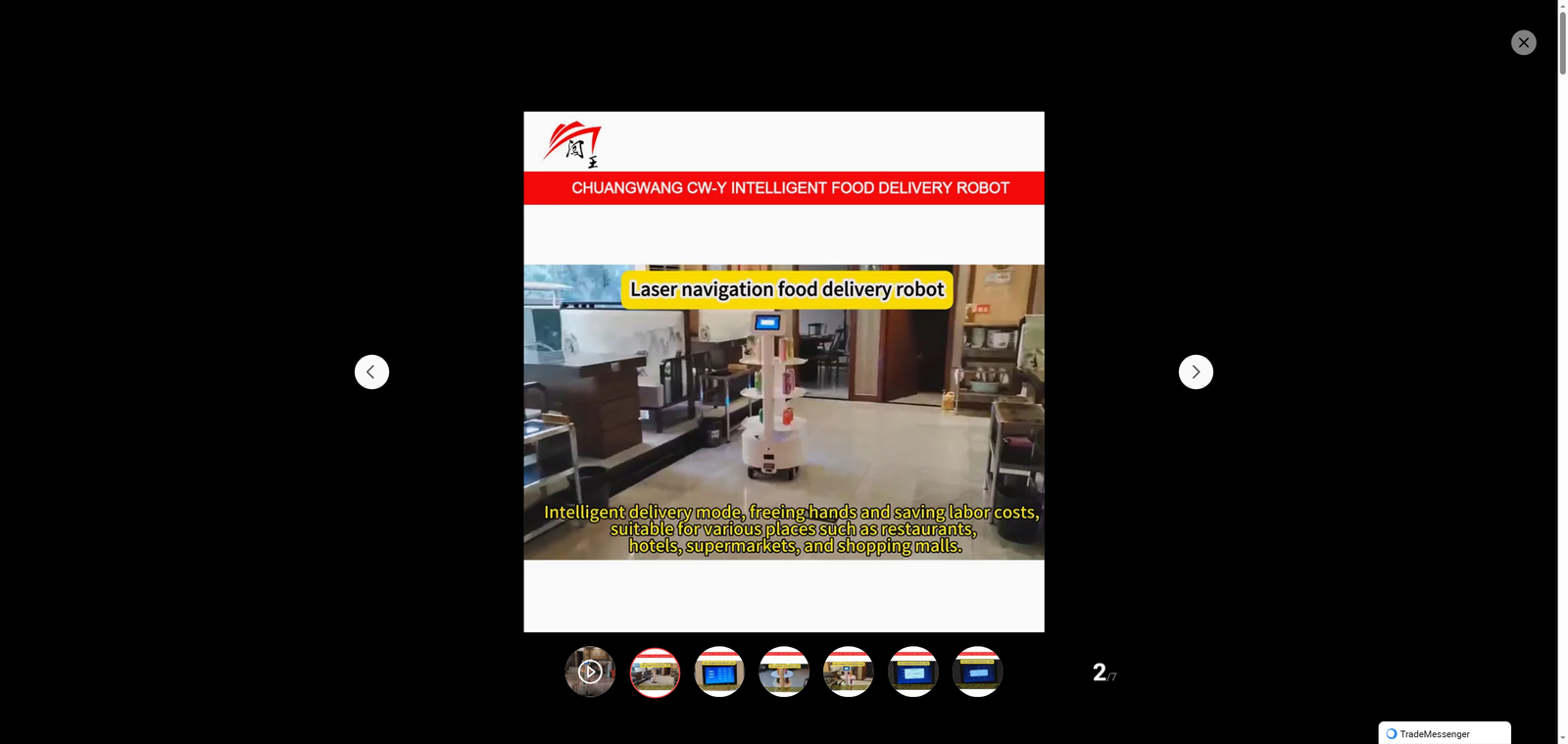
In the era of intelligence, the hotel and catering industry is undergoing a profound transformation driven by technological innovation. Among various cutting-edge technologies, trackless robots have emerged as a powerful force, breaking through the traditional limitations of hotel restaurant delivery and service. They are not just simple "delivery tools" but also new carriers of service quality, redefining the efficiency, experience and standard of hotel restaurant operations with their flexible movement, stable performance and humanized services. From the back kitchen to the guest room, from the dining hall to the lobby, trackless robots are interpreting the new connotation of "delivery" and "service" in every corner of the hotel restaurant.
Delivery is the core demand of hotel restaurants, and it is also the link where trackless robots play the most prominent role. In traditional hotel restaurants, delivery work relies heavily on manual labor. Waiters need to shuttle between the back kitchen, dining tables and guest rooms, which not only consumes a lot of physical energy but also easily leads to delays in delivery due to factors such as busy peak hours, complex routes and human errors. Especially during meal peaks, the shortage of manpower often makes the delivery efficiency plummet, and guests' complaints about "slow serving" and "wrong delivery" occur from time to time, which affects the overall service experience. The emergence of trackless robots has fundamentally solved this pain point.
Equipped with advanced laser navigation, visual recognition and path planning technologies, trackless robots do not need to lay fixed tracks in advance. They can accurately identify the surrounding environment, automatically avoid obstacles such as guests, tables and chairs, and quickly and stably reach the designated location. Whether it is delivering three meals a day to guest rooms, serving dishes to dining tables in the restaurant, or delivering tableware, drinks and other items, trackless robots can complete the task efficiently. During meal peaks, multiple trackless robots can work at the same time, forming a "delivery fleet" that operates in an orderly manner. They can receive delivery orders from the system in real time, distribute tasks reasonably, and ensure that each order is delivered on time. Compared with manual delivery, trackless robots have higher work efficiency, no fatigue, no mistakes, and can maintain a stable delivery level 24 hours a day. This not only reduces the labor burden of the hotel restaurant but also greatly shortens the guest's waiting time, improving the guest's satisfaction with the delivery service.
Beyond delivery, trackless robots are also injecting new vitality into the overall service system of hotel restaurants, becoming a "multi-functional service partner" for guests and staff. In the restaurant lobby, trackless robots can undertake the work of greeting guests, guiding seats and introducing dishes. When guests enter the restaurant, the robot will take the initiative to greet them with a friendly voice, and according to the guests' needs, guide them to the appropriate dining table, and at the same time send the electronic menu to the guests' mobile phones or display the recommended dishes on the built-in screen. This humanized greeting and guidance service not only relieves the work pressure of the lobby attendants but also brings a fresh and interesting experience to the guests.
In the guest room service scenario, trackless robots can also play an important role. Guests only need to place an order through the room phone or the hotel APP, and the robot can deliver items such as mineral water, towels, and toiletries to the door of the guest room in a short time. During the delivery process, the robot will send a reminder message to the guest, and after arriving at the door, it will gently knock on the door or send a voice prompt, ensuring that the guest can receive the items in time. In addition, some high-end trackless robots are also equipped with intelligent dialogue functions, which can answer common questions of guests, such as hotel service hours, surrounding scenic spots introduction, and weather conditions, providing 24-hour intimate service for guests. This kind of "unmanned but warm" service mode not only meets the personalized needs of guests but also enhances the sense of technology and high-end of the hotel.
The application of trackless robots in hotel restaurants also brings obvious operational benefits to the hotel. On the one hand, it reduces the hotel's labor cost. The recruitment, training and management of waiters require a lot of time and financial resources, while trackless robots have a one-time investment and low later maintenance cost, which can save a lot of labor expenses for the hotel in the long run. On the other hand, it improves the operational efficiency of the hotel. The efficient delivery and service of robots reduce the occurrence of work errors, shorten the service cycle, and enable the hotel to receive more guests with limited resources, improving the overall operating income. At the same time, the intelligent image brought by trackless robots can also enhance the hotel's brand influence and attract more young and middle-aged guests who pursue a sense of technology.
Of course, the popularization and application of trackless robots in hotel restaurants is not without challenges. For example, the initial investment cost is relatively high, which may bring certain economic pressure to small and medium-sized hotels; in complex operating environments, the robot's navigation and obstacle avoidance functions need to be continuously optimized; some elderly guests may be unfamiliar with the service mode of robots and need staff to guide them. However, with the continuous progress of technology and the gradual reduction of production costs, these problems will be gradually solved. More and more hotels have realized the value of trackless robots and have begun to introduce them into their daily operations, forming a new trend of intelligent service in the hotel and catering industry.
In the future, with the integration of technologies such as artificial intelligence, big data and the Internet of Things, trackless robots will become more intelligent and humanized. They will not only be able to complete delivery and basic service tasks but also accurately predict guests' needs through analyzing guests' consumption habits, providing more personalized and customized services. For example, according to the guest's past order records, the robot can take the initiative to recommend favorite dishes; according to the guest's living habits, it can deliver necessary items in advance. At the same time, trackless robots will also realize interconnection and intercommunication with other intelligent devices in the hotel, forming a complete intelligent service ecosystem, making the hotel restaurant service more efficient, convenient and warm.
Trackless robots are changing the way hotel restaurants deliver and serve with their unique advantages. They are not replacing human services but complementing and upgrading human services, making the combination of technology and humanity a new highlight of hotel restaurant services. In the wave of intelligence, hotel restaurants that take the lead in applying trackless robots will surely gain more competitive advantages, and bring a better service experience to guests, leading the new development of the hotel and catering industry.