
The New Era of Hotel Concierge Services: Humanoid Robots Empowering Multilingual Communication and Premium Guest Support
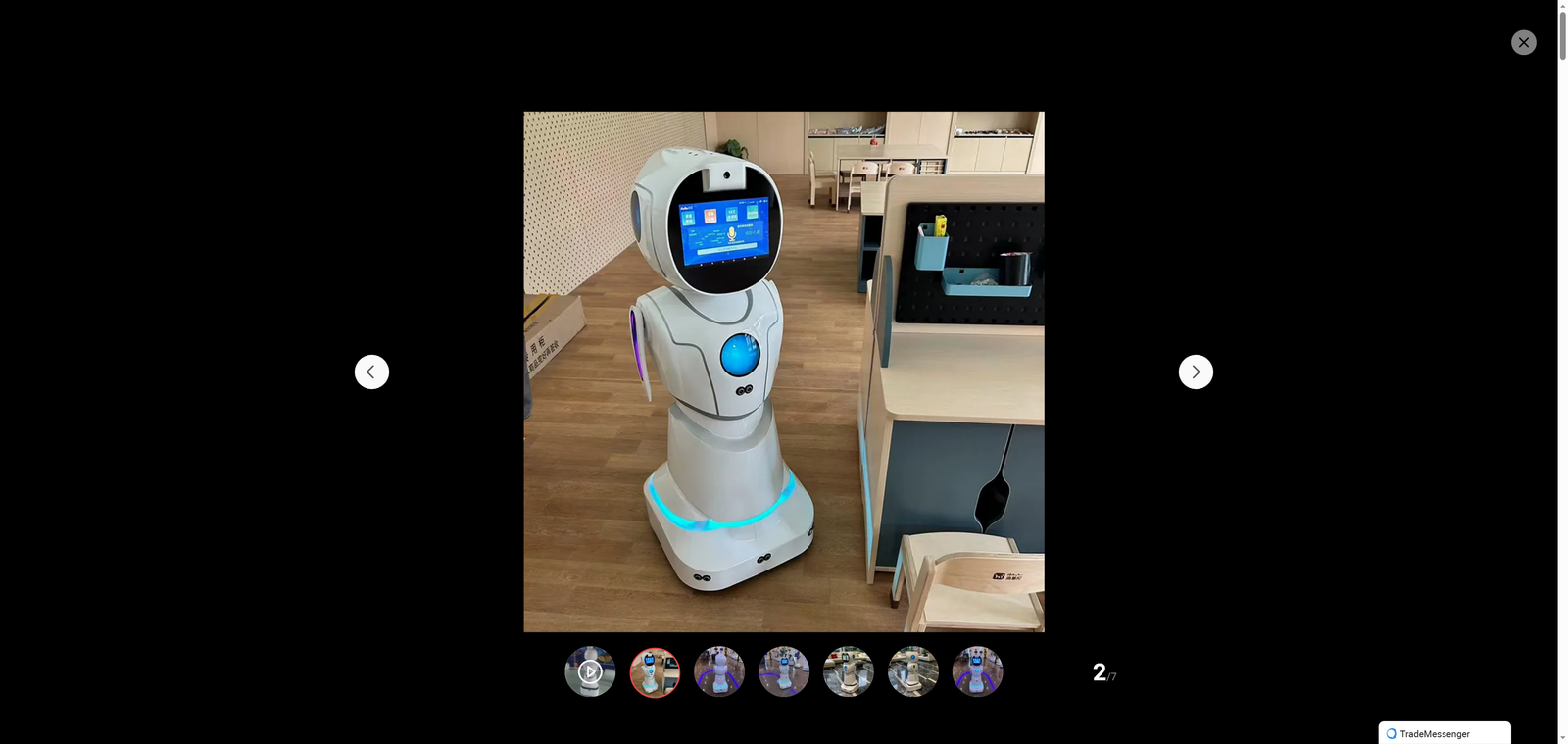
In the rapidly evolving landscape of the hospitality industry, the pursuit of personalized, efficient, and inclusive guest experiences has become a core competitive edge for hotels worldwide. As globalization deepens, the demand for seamless cross-cultural interactions and round-the-clock support continues to rise, prompting the industry to embrace technological innovation. Among the transformative solutions, humanoid service robots have emerged as a game-changer in hotel concierge services, redefining the standards of multilingual communication and guest support with their advanced capabilities. This article explores how these intelligent robots are revolutionizing concierge services, bridging language gaps, and elevating the overall guest journey.
Hotel concierge services have long been regarded as the "face" of a hotel, serving as the primary touchpoint for guests seeking information, assistance, and personalized recommendations. Traditionally, concierge teams rely on human expertise to handle a wide range of requests—from booking transportation and restaurant reservations to providing local attraction guides and addressing unexpected needs. However, this model faces inherent challenges, particularly in managing multilingual communication. With guests coming from diverse linguistic backgrounds, even well-trained concierge staff may struggle to provide accurate and efficient support in less commonly spoken languages, leading to miscommunication, delayed responses, and compromised guest satisfaction. Additionally, human staff are limited by working hours, making it difficult to deliver 24/7 support without incurring high labor costs.
The introduction of humanoid service robots into hotel concierge services addresses these pain points head-on, leveraging cutting-edge artificial intelligence (AI) and natural language processing (NLP) technologies to deliver consistent, high-quality support. Unlike traditional service robots, humanoid robots are designed with human-like appearances and movements, creating a more approachable and intuitive interaction experience for guests. Their ability to process and respond to multiple languages in real time is one of their most significant advantages, breaking down language barriers that have long plagued the hospitality industry.
Multilingual communication is the cornerstone of effective concierge services in a globalized market, and humanoid robots excel in this area. Equipped with advanced NLP algorithms and extensive language databases, these robots can understand and respond to requests in dozens of languages, including English, Mandarin, Spanish, French, Arabic, and Japanese, among others. Whether a guest asks for directions to a nearby museum in Korean, inquires about breakfast hours in Portuguese, or needs help arranging a business meeting in German, the humanoid concierge robot can provide accurate, contextually appropriate responses instantly. This level of linguistic proficiency not only eliminates miscommunication but also makes international guests feel more welcome and valued, fostering a sense of inclusivity that enhances their overall stay experience.
Beyond multilingual communication, humanoid service robots significantly enhance the efficiency and comprehensiveness of guest support. These robots are programmed to handle a wide spectrum of concierge tasks, from routine inquiries to complex requests, with speed and precision. For instance, they can quickly retrieve information about hotel amenities—such as gym hours, spa services, and laundry facilities—and provide detailed explanations to guests. They can also assist with practical tasks, including booking taxi services, making restaurant reservations, purchasing tickets for local events, and even arranging for room service. Unlike human staff, who may need to consult manuals or coordinate with other departments to fulfill requests, humanoid robots can access real-time data from the hotel’s management system and external service platforms, enabling them to complete tasks in a fraction of the time.
Moreover, humanoid concierge robots offer 24/7 uninterrupted support, ensuring that guests can receive assistance whenever they need it—whether it’s 2 AM or during peak hours. This round-the-clock availability is particularly valuable for business travelers and international guests who may be adjusting to different time zones. For example, a guest arriving late at night from a long-haul flight can rely on the robot to provide directions to their room, explain how to use the in-room amenities, and even recommend late-night dining options nearby. This level of responsiveness not only improves guest convenience but also reduces the workload on human concierge staff, allowing them to focus on more complex and personalized tasks that require human empathy and judgment.
Another key advantage of humanoid service robots in concierge services is their ability to deliver consistent service quality. Human staff may experience fatigue, mood swings, or variations in expertise, which can lead to inconsistent service experiences for guests. In contrast, humanoid robots maintain a high level of performance consistently, adhering to predefined service standards and protocols with every interaction. They are also equipped with emotion recognition technology, enabling them to detect guests’ emotional states—such as frustration or anxiety—and adjust their tone and responses accordingly. For example, if a guest is upset about a delayed reservation, the robot can respond with a calm and empathetic tone, offer alternative solutions, and escalate the issue to a human staff member if necessary. This combination of consistency and emotional intelligence helps to build trust and loyalty among guests.
It is important to note that the integration of humanoid service robots into hotel concierge services does not aim to replace human staff. Instead, it creates a synergetic relationship where robots handle routine, time-consuming tasks, while human concierges focus on delivering high-touch, personalized services that require human connection. For instance, while a robot can book a restaurant reservation, a human concierge can provide personalized recommendations based on the guest’s dietary preferences and past experiences. Similarly, while a robot can answer questions about local attractions, a human concierge can share insider tips and stories that add a personal touch to the guest’s experience. This human-robot collaboration optimizes the efficiency of concierge services while preserving the human element that is essential to the hospitality industry.
As technology continues to advance, humanoid service robots in hotel concierge services are expected to become even more sophisticated. Future iterations may feature enhanced AI capabilities, enabling them to learn from guest interactions and provide more personalized recommendations over time. They may also integrate with other smart hotel systems, such as keyless entry and in-room automation, to create a seamless, end-to-end guest experience. Additionally, advancements in robotics technology may improve the robots’ physical dexterity and mobility, allowing them to assist with tasks such as carrying luggage or delivering items to guest rooms.
In conclusion, humanoid service robots are transforming hotel concierge services by revolutionizing multilingual communication and elevating guest support. Their ability to break down language barriers, deliver 24/7 efficient service, maintain consistent quality, and collaborate with human staff makes them an invaluable asset in the modern hospitality industry. As hotels continue to prioritize guest experience and technological innovation, humanoid concierge robots will play an increasingly important role in shaping the future of hospitality—creating a more inclusive, efficient, and personalized environment for guests from around the world. The integration of these intelligent robots is not just a technological upgrade; it is a reimagining of what concierge services can be, setting a new standard for excellence in the global hotel industry.