
Intelligent Robots: Unlocking a New Era of Hot Deals in Hotels and Restaurants
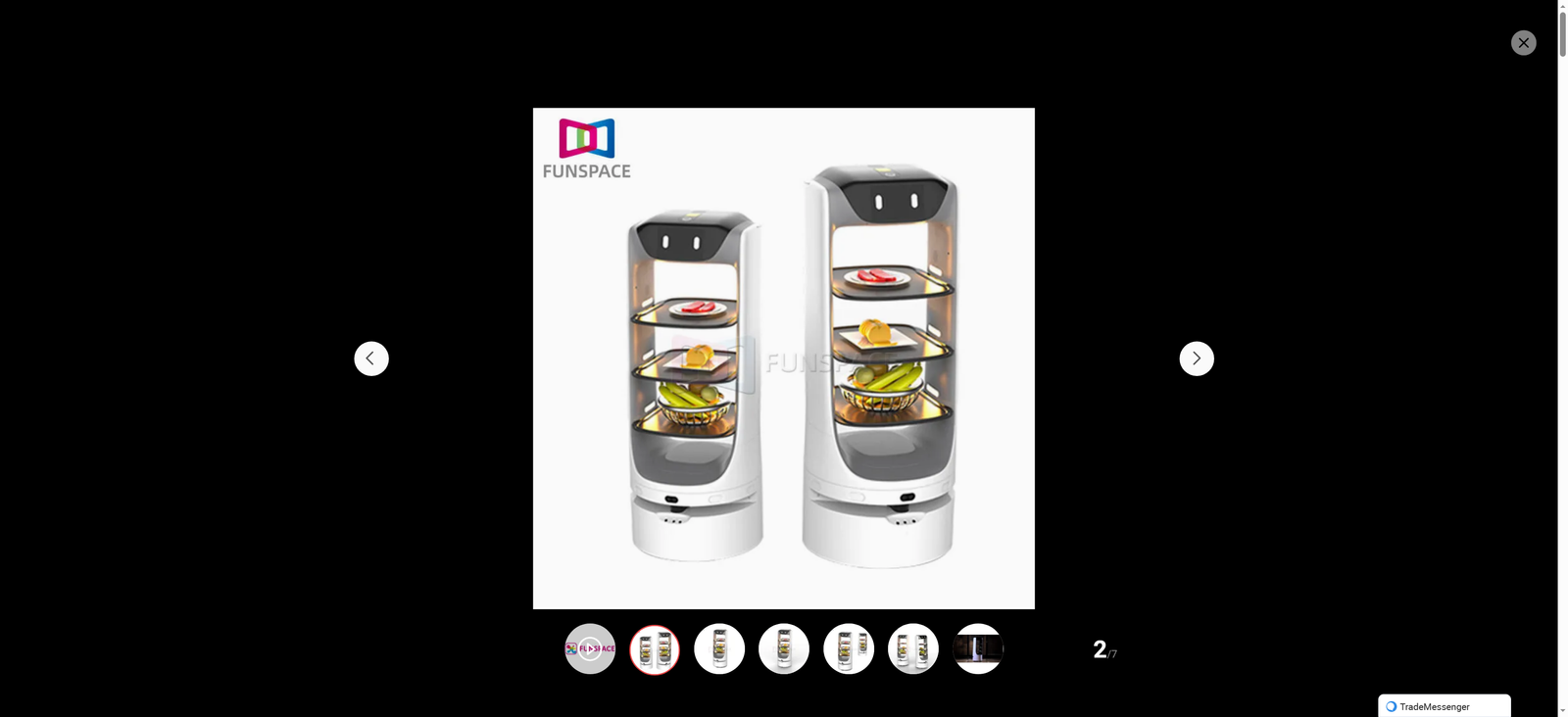
In the wave of digital transformation, the hotel and restaurant industry is undergoing a profound revolution driven by intelligent technology. Among them, intelligent robots, especially self-service robots and food delivery robots, have emerged as powerful drivers, breaking through traditional operational models and creating a wealth of "hot deals" for businesses and consumers alike. These intelligent machines are no longer distant sci-fi elements but have integrated into every link of hotels and restaurants, redefining service efficiency, quality and user experience.
For restaurants, food delivery robots have become a game-changer in solving operational pain points and boosting business growth. In the past, the peak dining period was always a test for restaurants: waiters were overwhelmed by taking orders, delivering dishes and clearing tables, leading to delayed service, wrong orders and even customer complaints. However, with the introduction of food delivery robots, this dilemma has been effectively alleviated. Equipped with advanced navigation and obstacle avoidance technology, these robots can smoothly shuttle through crowded dining halls, accurately deliver dishes to the designated tables, and even remind customers of the dishes in a friendly voice. They work 24 hours a day without fatigue, significantly reducing the labor cost of restaurants while improving the efficiency of food delivery. For consumers, the novel experience of being served by robots adds fun to dining, and the fast and accurate service also enhances their satisfaction. Many restaurants have taken the "intelligent food delivery" as a selling point, attracting a large number of customers and creating impressive business "hot deals".
In the hotel industry, self-service robots and intelligent service robots have become the new "front desk ambassadors" and "service backbones", bringing a new mode of intelligent accommodation. The self-service check-in robot at the hotel lobby allows guests to complete the check-in procedure independently by scanning their ID cards and face recognition, without waiting in long queues. This not only saves guests' time but also reduces the workload of the front desk staff, enabling them to focus on providing more personalized services. In addition, hotel service robots can also undertake a series of tasks such as delivering luggage, sending mineral water and towels to the guest rooms, and even guiding guests to the elevator. They can respond to guests' needs in a timely manner through voice interaction, providing all-weather intimate service. For hotels, the introduction of intelligent robots not only improves the operational efficiency and service quality but also enhances the hotel's brand image and competitiveness. More and more hotels are joining the ranks of intelligent transformation, using robots to create unique accommodation experiences and gain more market share in the fierce competition.
Beyond improving efficiency and reducing costs, intelligent robots are also promoting the upgrading of the hotel and restaurant industry towards a more standardized and intelligent direction. Unlike human employees, robots can strictly follow the operational standards and service processes set by the enterprise, ensuring the consistency and stability of service quality. For example, food delivery robots can strictly control the temperature and placement of dishes during the delivery process, ensuring that guests can enjoy the most delicious food; self-service robots can accurately record guest information and service needs, providing data support for the enterprise's refined operation. In addition, with the continuous progress of technology, intelligent robots are also constantly upgrading their functions. Some high-end robots can even analyze guests' preferences through big data, providing personalized recommendations for guests, such as recommending favorite dishes for diners and recommending suitable room types for hotel guests. This kind of intelligent and personalized service is gradually becoming a new trend in the industry, leading the hotel and restaurant industry to enter a new era of high-quality development.
Of course, the popularization of intelligent robots in hotels and restaurants does not mean replacing human beings. On the contrary, they are more like a powerful assistant to human employees, freeing people from tedious and repetitive work and allowing them to focus on providing more emotional and personalized services. For example, waiters can spend more time communicating with guests, understanding their needs and preferences, and providing more intimate service; hotel front desk staff can focus on handling complex business and solving guests' special needs. The combination of human service and intelligent technology can create a more perfect service experience for consumers, which is the core of the sustainable development of the hotel and restaurant industry.
Looking to the future, with the continuous innovation and development of artificial intelligence, big data and other technologies, intelligent robots will play a more important role in the hotel and restaurant industry. They will be more intelligent, humanized and diversified, bringing more surprises and "hot deals" to businesses and consumers. For hotel and restaurant operators, seizing the opportunity of intelligent transformation, actively introducing and applying intelligent robots, and exploring a new operational mode suitable for their own development will be the key to achieving long-term development in the new era. For consumers, we can also look forward to enjoying more efficient, high-quality and novel services brought by intelligent robots in future travel and dining.
In conclusion, intelligent robots represented by self-service robots and food delivery robots have become an indispensable part of the hotel and restaurant industry. They are not only creating practical "hot deals" for businesses in terms of efficiency, cost and brand but also bringing a better service experience for consumers. With the deep integration of intelligent technology and the hotel and restaurant industry, we have reason to believe that this industry will usher in a more brilliant future.