
Food Serving Robot Restaurants: The Future of Dining with Delivery Robots
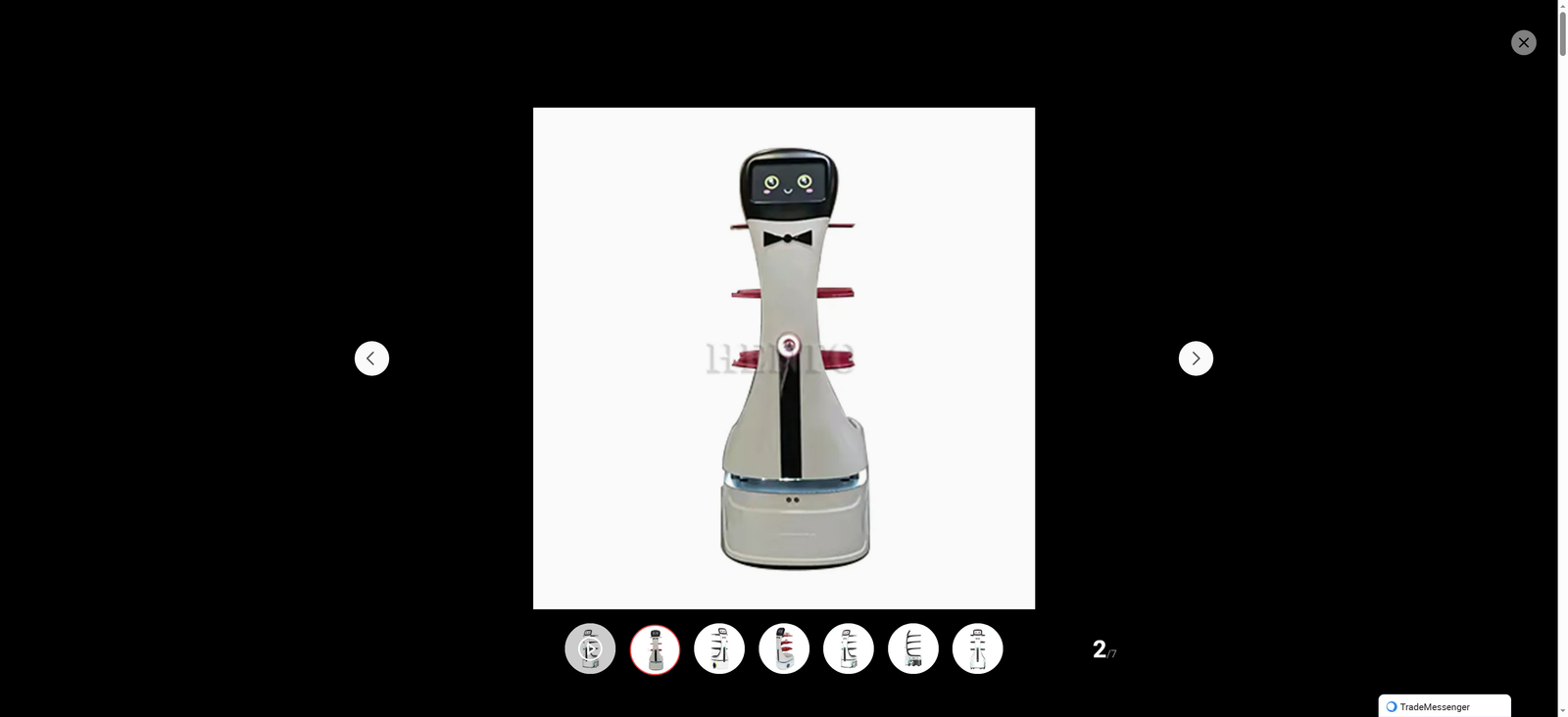
In an era of rapid technological advancement, the restaurant industry is undergoing a profound transformation driven by automation. Among the most innovative changes is the rise of food serving robot restaurants, where food delivery robots have become integral to redefining efficiency, customer experience, and operational models. These intelligent machines are no longer a sci-fi fantasy but a practical solution that addresses long-standing challenges in the catering sector, from labor shortages to inconsistent service quality, while opening up new possibilities for dining innovation.
A food serving robot restaurant is more than just a dining space with automated tools—it is a seamlessly integrated ecosystem where food delivery robots work in harmony with human staff to optimize every stage of the dining process. Unlike traditional restaurants that rely heavily on human servers to take orders, deliver dishes, and clear tables, these modern establishments leverage the precision and efficiency of robots to handle repetitive, time-consuming tasks, allowing human employees to focus on higher-value interactions such as customer care, menu recommendations, and culinary craftsmanship. This synergy not only enhances operational efficiency but also creates a unique, tech-driven dining experience that resonates with today’s consumers.
Food delivery robots, the backbone of these intelligent restaurants, are equipped with cutting-edge technologies that enable them to navigate complex environments with ease. Equipped with sensors, cameras, and advanced AI navigation systems—including dual SLAM technology in some models—they can effortlessly avoid obstacles, maneuver through crowded dining halls, and reach designated tables with pinpoint accuracy. Many robots also feature dynamic避障 and multi-machine协同 capabilities, allowing multiple units to work together seamlessly during peak hours without collisions or delays. Whether transporting hot dishes from the kitchen to the table, delivering drinks, or collecting dirty plates, these robots operate with consistency and reliability, eliminating human errors such as misplaced orders or delayed deliveries.
The benefits of integrating food delivery robots into restaurants extend far beyond operational efficiency. For restaurant owners, these robots offer a cost-effective solution to the persistent challenge of labor shortages and rising labor costs. Data shows that a single food delivery robot can match the workload of 2 to 3 human servers, with a daily delivery capacity of 400 to 600 plates and a working duration of nearly 12 hours—far exceeding the output of human staff. This translates to significant savings in labor expenses, with some robots reducing monthly operational costs by up to 31.67% and saving 8,000 to 12,000 yuan in人工 fees per month. Additionally, robots do not require breaks, vacations, or training updates, ensuring consistent service quality 24/7, which is particularly valuable for busy quick-service restaurants, casual dining spots, and cloud kitchens.
For customers, food serving robot restaurants deliver a more efficient, convenient, and engaging dining experience. Long wait times for food delivery—a common frustration in traditional restaurants—are drastically reduced, with robots cutting wait times by 25 to 30% on average. The interactive nature of these robots also adds a fun, memorable element to dining: many models feature adorable bionic designs, can engage in simple conversations, sing, or dance, creating a lively atmosphere that appeals to families and young consumers alike