
Fast Smart Service Efficient Delivery Robot: Redefining the Catering Experience in Hotels and Restaurants
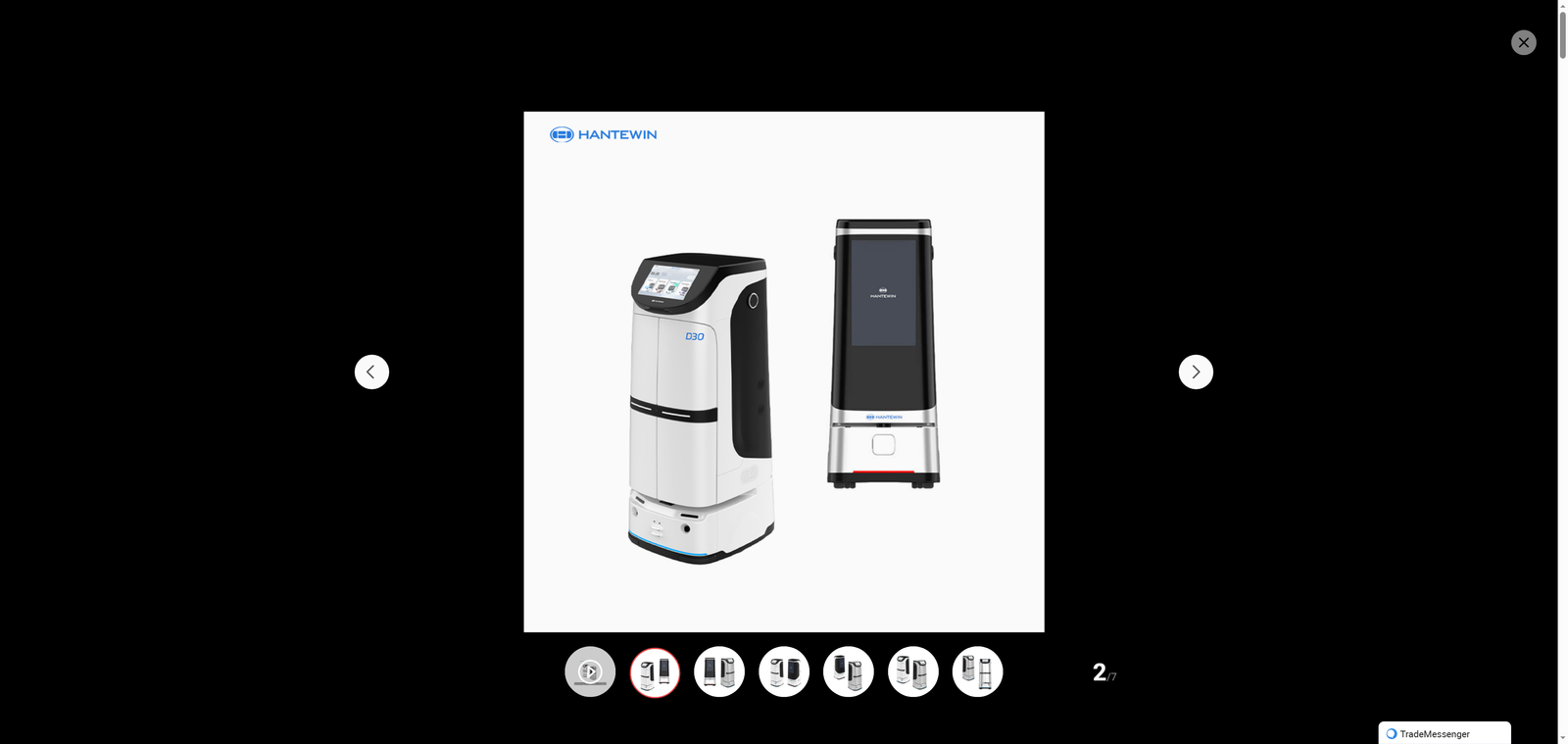
In the era of digital transformation, the catering and hotel industries are undergoing a profound revolution driven by technological innovation. Among the emerging smart devices, the fast, smart, service-oriented and efficient food delivery robot has gradually become a "new favorite" in hotels and restaurants. It breaks through the limitations of traditional manual service, integrates speed, intelligence, service quality and efficiency into one, and injects new vitality into the operation of the industry while creating a better experience for customers. This article will deeply explore how this smart robot reshapes the service ecology of hotels and restaurants.
Speed is the core advantage of food delivery robots, which effectively solves the pain point of slow food delivery in peak hours. In hotels and restaurants, especially during meal peaks, the number of customers surges, and the workload of waiters increases sharply. It is often difficult to balance the speed and quality of service, leading to customer complaints caused by delayed food delivery. The food delivery robot, with its optimized movement algorithm and obstacle avoidance system, can quickly navigate through crowded dining halls and narrow corridors. Unlike manual service, it does not need to rest, wait or be affected by human factors, and can maintain a stable and fast delivery speed for a long time. For example, in a medium-sized hotel restaurant, a food delivery robot can complete the delivery of 3-5 tables of food in 2-3 minutes, which is nearly twice as fast as manual delivery. This efficient delivery capacity not only shortens the customer's waiting time, improves customer satisfaction, but also helps the restaurant increase the turnover rate and expand the business volume.
Intelligence is the core driving force for food delivery robots to realize high-quality service, and it is also the key to distinguishing them from traditional delivery tools. Modern food delivery robots are equipped with advanced technologies such as multi-sensor fusion, AI voice interaction and intelligent scheduling system, which make them have strong autonomous decision-making and interaction capabilities. In terms of navigation and positioning, they can accurately map the restaurant environment through laser radar and visual sensors, and automatically plan the optimal delivery route. Even in complex scenes with moving people and temporary obstacles, they can quickly adjust the route to avoid collisions, ensuring the safety and stability of food delivery. In terms of human-computer interaction, customers can call the robot, query dishes or ask for help through voice commands. The robot can respond to customer needs in real time with a friendly voice, creating a personalized and intelligent service experience. In addition, the robot can be connected to the restaurant's POS system and kitchen management system. After the customer places an order, the order information is automatically synchronized to the robot. The robot can accurately take the meal from the kitchen according to the order, and send it to the designated table. It can also automatically return to the charging station for charging when the power is low, realizing the whole process of intelligent operation without manual intervention.
Service orientation is the fundamental positioning of food delivery robots, which takes improving the quality of customer service as the ultimate goal. Many people worry that the popularity of robots will reduce the temperature of manual service, but in fact, food delivery robots are not substitutes for manual service, but good assistants for waiters. They take on the tedious and repetitive work of food delivery, dish collection and tableware transportation, so that waiters can be freed from heavy physical work and focus more on providing high-value services such as customer reception, dish introduction and demand response. For example, when customers enter the restaurant, waiters can concentrate on greeting them, recommending dishes and explaining the dining experience; when customers have special needs such as adding tableware or adjusting the taste of dishes, waiters can respond in time. The food delivery robot, on the other hand, is responsible for delivering the prepared food to the table accurately, which forms a complementary pattern of "robot manual" service. In addition, the robot has a standardized service process, which can ensure that every link of food delivery is in place, avoiding service omissions caused by human factors such as waiters' negligence or fatigue. Its cute appearance and gentle voice can also bring a pleasant emotional experience to customers, especially for children and young people, it has become a unique "net red check-in point" in the restaurant, enhancing the brand appeal of the restaurant.
Efficiency improvement is the core value that food delivery robots bring to hotel and restaurant operations, helping businesses reduce costs and increase efficiency. For hotel and restaurant operators, labor cost is one of the important expenses. With the increasing shortage of labor in the catering industry and the rising labor cost, how to control costs and improve operational efficiency has become a key issue for many operators. The application of food delivery robots can effectively solve this problem. A single food delivery robot can replace 1-2 waiters' daily delivery work, which greatly reduces the number of front-line service personnel needed by the restaurant, thus reducing labor costs such as wages, social security and training. At the same time, the robot has high work efficiency and low error rate. It can avoid food delivery mistakes caused by manual memory confusion or negligence, reducing the loss caused by service errors. In addition, the robot can record and analyze delivery data in real time, such as delivery time, order quantity and frequently ordered dishes, and feed these data back to the restaurant management system. Operators can adjust the menu structure, optimize the service process and reasonably arrange personnel shifts according to the data analysis results, so as to realize scientific management and improve the overall operational efficiency of the restaurant. For example, according to the robot's delivery data, the restaurant can find out the peak hours of dining and increase the preparation of popular dishes in advance, avoiding the backlog of orders in the kitchen.
With the continuous progress of technology and the increasing demand for smart services in the catering and hotel industries, food delivery robots are also constantly upgrading and iterating. In the future, they will be more intelligent, humanized and diversified. For example, they may have the function of intelligent temperature control to ensure that hot dishes are kept warm and cold dishes are fresh during delivery; they may also realize multi-task integration, such as completing food delivery, bill payment and membership card promotion at the same time. At the same time, the application scope of food delivery robots will be further expanded, from large hotels and restaurants to small and medium-sized catering stores, homestays and other scenarios, becoming an indispensable part of the smart catering ecosystem.
In conclusion, the fast, smart, service-oriented and efficient food delivery robot is not only a technological product, but also a new force reshaping the service mode of hotels and restaurants. It takes speed as the guarantee, intelligence as the driving force, service as the purpose and efficiency as the goal, which not only improves the customer's dining experience, but also helps businesses reduce costs and increase efficiency, promoting the high-quality development of the catering and hotel industries. In the wave of smart transformation, it is an inevitable trend for hotels and restaurants to introduce food delivery robots. Those businesses that take the lead in embracing this technological innovation will surely gain more competitive advantages in the fierce market competition.